TL;DR An AI chatbot for business in 2026 is no longer a decision tree that bounces customers to a human. It is an autonomous LLM agent that resolves 50 to 80 percent of conversations end to end, integrates with your billing, CRM, and order systems, and costs about $0.40 per resolution. The leading platforms are Intercom Fin, Zendesk AI, Decagon, Sierra AI, Ada, and Drift. If you also need the voice side covered, CallSetter AI builds AI voice agents that pair with whatever chat platform you pick.
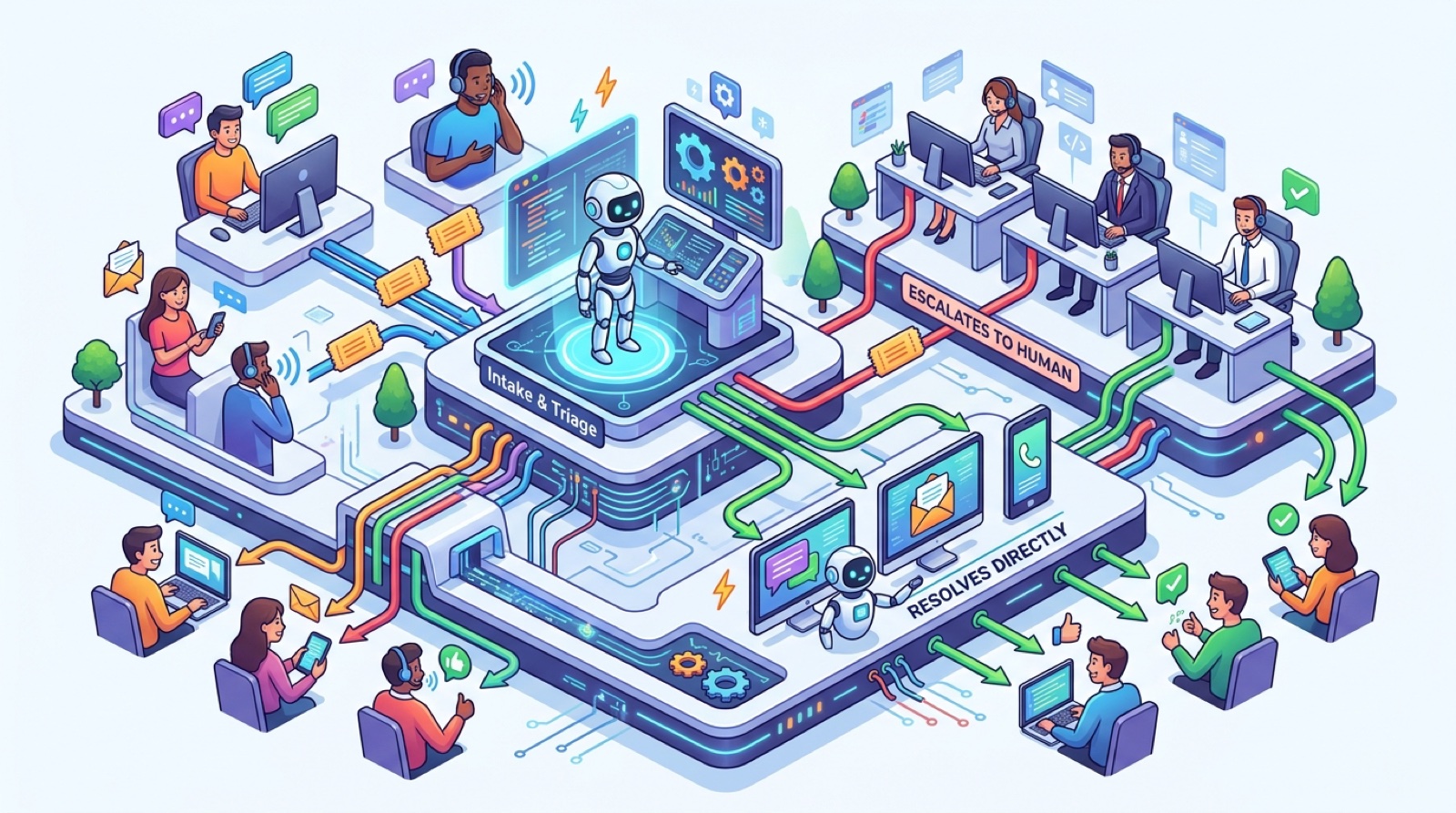
A 2026 AI chatbot for business resolves the majority of conversations end to end, with no human in the loop for routine work.
An AI chatbot for business is software that handles customer questions, complaints, and account changes through chat, in app messaging, email, or social channels using a large language model. The 2026 generation is fundamentally different from the 2018 to 2023 chatbot wave. Old chatbots were decision trees: “Press 1 for billing, press 2 for support”. Modern AI chatbots are autonomous agents that read the conversation, retrieve relevant knowledge, call APIs, and take real action.
The shift matters because the unit economics flipped. A traditional rules based chatbot deflected 12 to 18 percent of conversations and frustrated customers in the rest. A 2026 LLM agent deflects 50 to 85 percent and improves CSAT versus human teams because of speed.
For the broader category guide, see the AI customer service playbook.
Three generations of business chatbots in 7 years.
Generation 1: Rule based (2018 to 2021). Decision trees and intent classifiers. You wrote a flow for every possible question. The chatbot followed the flow. If the customer said something off script, it bounced to a human. Containment rate: 12 to 18 percent. Customer satisfaction: low. CFOs got burned.
Generation 2: Retrieval augmented (2022 to 2024). Vector databases plus LLM responses. The chatbot would search your help center and generate an answer. Better than rule based but still passive. It could not take action. Containment rate: 25 to 40 percent. Customers liked the answers but were still frustrated when they could not actually resolve issues.
Generation 3: Agentic (2025 to 2026). LLM agents with tool calling. The chatbot reads the conversation, retrieves knowledge, calls tools (refund a charge, change shipping, reset a password), and takes real action. Containment rate: 50 to 85 percent. CSAT lifts above human teams because of speed.
The 2026 generation is the first one where the math actually works for most businesses. If your last chatbot experience was 2023 or earlier, the technology is unrecognizable now.
The 6 platforms that lead the category.
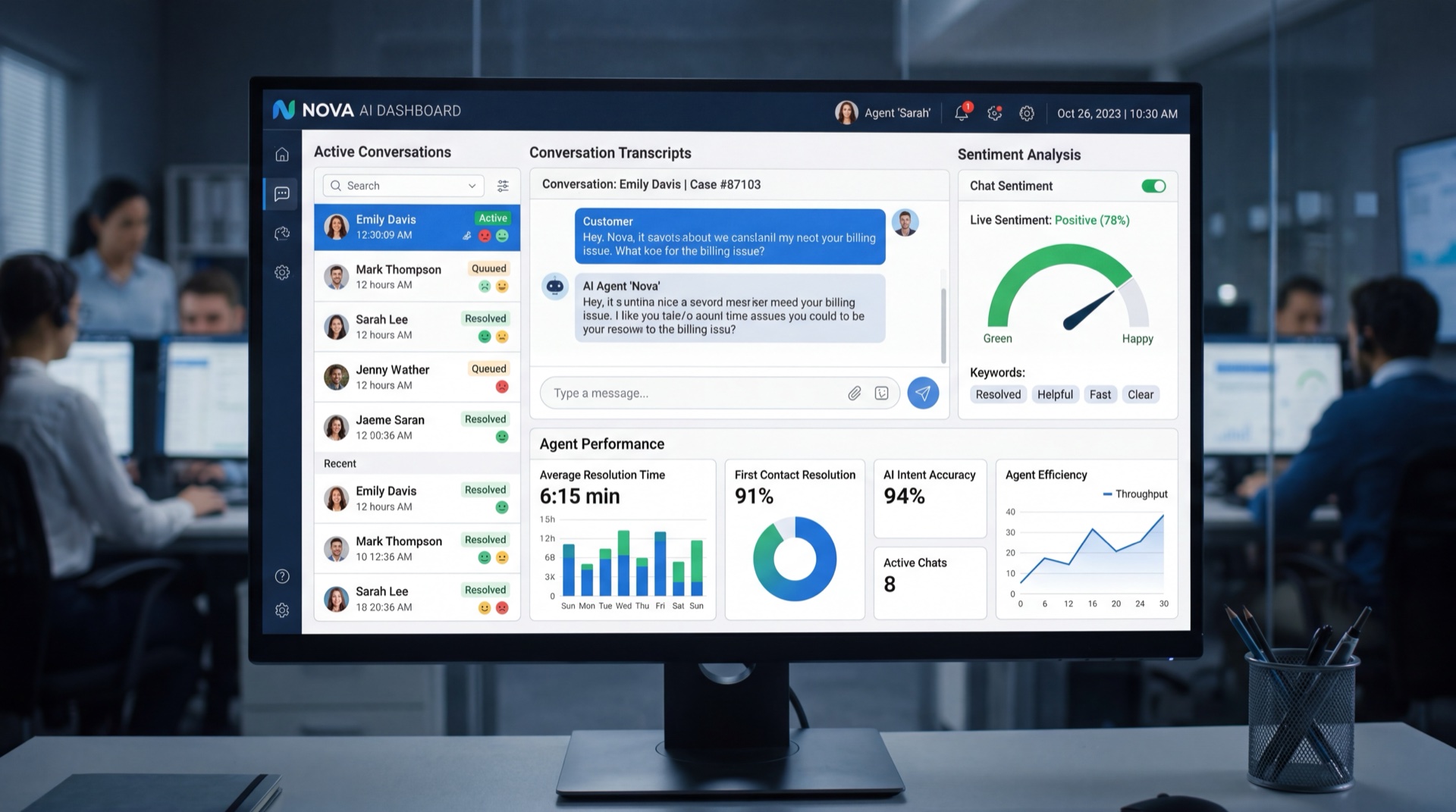
Intercom Fin. $0.99 per resolved conversation. The leader for SaaS and ecommerce already on Intercom. Average containment 56 percent across 4,500 customers. Top performers above 75 percent. Strongest feature: per resolution pricing makes the math obvious.
Zendesk AI Agents. $115 per agent per month plus AI add ons. The safe enterprise choice for teams already on Zendesk. AI is solid but less autonomous than category leaders. Strongest feature: workflow automation depth and existing Zendesk investment.
Decagon. Custom pricing typically $30K to $250K per year. The high end choice for SaaS, ecommerce, and fintech that want maximum containment. Top performers hit 80 to 90 percent containment. Strongest feature: deep per company customization.
Sierra AI. Custom enterprise pricing. The voice plus chat unified option. Founded by Bret Taylor. Used by SiriusXM, ADT, Sonos. Strongest feature: voice plus chat in one agent.
Ada. Custom pricing typically starts $24K per year. The multilingual specialist. 50 plus languages with quality maintained across all of them. Strongest feature: multilingual quality.
Drift. $2,500 per month and up. The conversational marketing specialist. Built for B2B SaaS lead generation more than support. Strongest feature: conversational marketing and ABM.
For deeper compares see AI customer service tools and AI customer service software.
Pair your chat tool with voice. CallSetter AI builds AI voice agents that pair with whatever chat tool you pick. Unified knowledge base, unified tool layer, one customer experience across channels.
The 2026 capabilities to expect.
Reads and reasons about the conversation. The agent understands context across multiple turns. If the customer mentions their order number 5 messages ago, the agent remembers it for the rest of the conversation.
Retrieves knowledge from your sources. Help center, internal wikis, product docs, past tickets, billing FAQ. Retrieval is hybrid (BM25 plus dense vectors plus reranking) which dropped hallucination rates from 8 percent in 2023 to under 1 percent in 2026.
Calls tools to take real action. Refund a charge in Stripe. Change a shipping address in Shopify. Reset a password. Cancel a subscription. Create a Jira ticket. The agent executes the action without a human touching it.
Routes to a human when needed. Customer asks for a person, sentiment turns negative, sensitive category, or the agent fails twice. The escalation is clean and the human picks up with full context.
Logs every conversation. Transcript, structured data extract, tool calls, outcome, and CSAT all saved to your CRM.
Handles multi channel. Chat widget, in app messaging, email, SMS, WhatsApp, social DM. The same agent handles all channels with the same knowledge base and tool layer.
Learns from feedback. Most platforms support thumbs up or thumbs down on every response. The feedback feeds back into prompt tuning and knowledge base curation.
Multi language. 20 to 50 languages depending on the platform. Quality is best in English, Spanish, French, German, Portuguese, and Mandarin.
Three pricing models dominate in 2026.
Per resolution. $0.50 to $1.50 per resolved conversation. Intercom Fin is the leader at $0.99. Best alignment with outcome. Variable cost.
Per agent per month. $25 to $150 per human agent. Help Scout AI ($25), Forethought ($39 plus usage), Zendesk AI ($115). Predictable for stable headcount.
Custom enterprise. $30K to $250K per year for Decagon, Sierra, Ada. Negotiated based on volume.
For a typical SaaS company with 5,000 monthly conversations, expect $2,500 to $7,500 per month all in including the model API costs and integrations. For ecommerce with 10,000 plus monthly conversations, expect $5,000 to $15,000.
For a deeper pricing breakdown see the AI customer service ROI calculator.
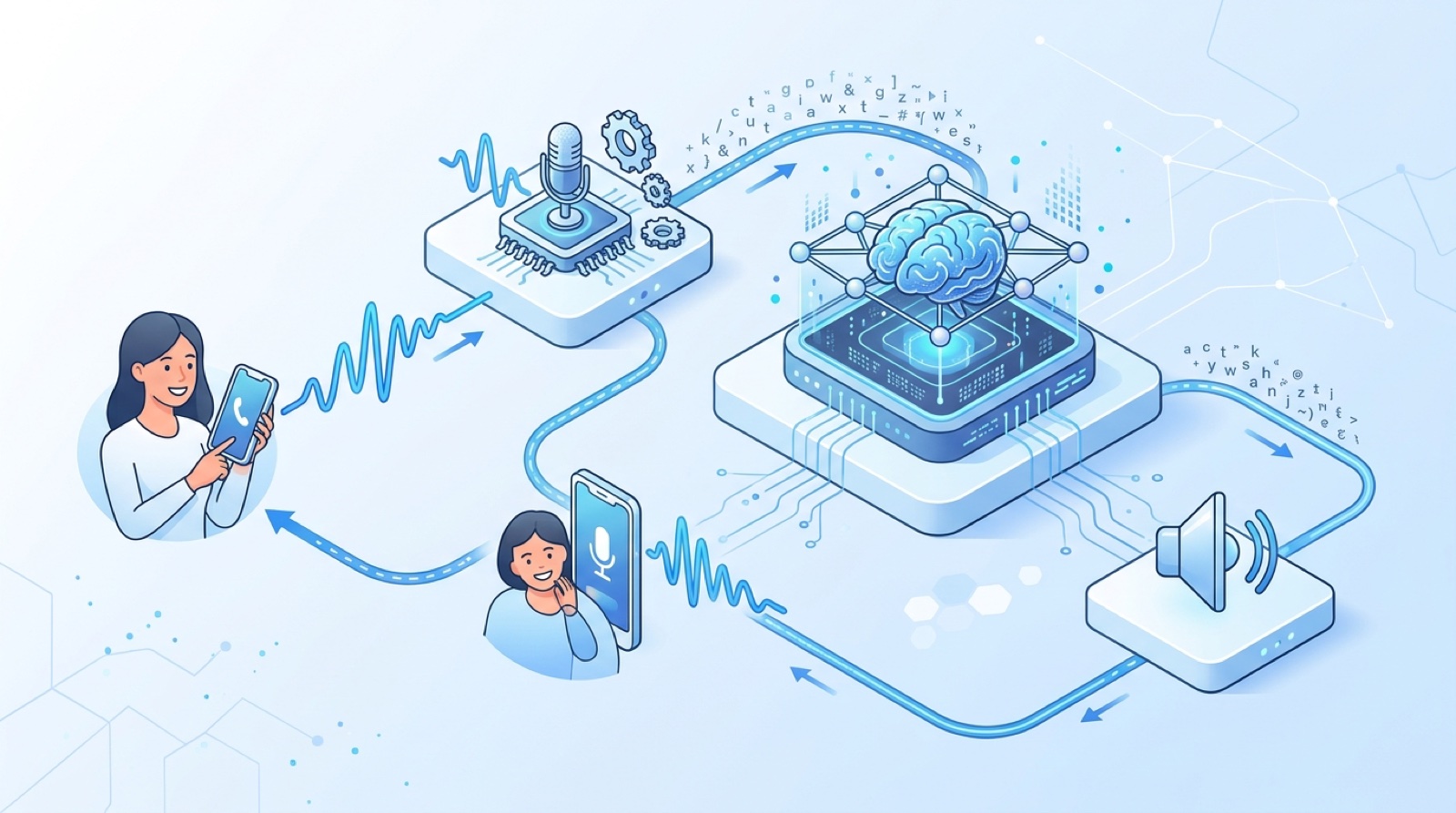
The 3 pricing models. Per resolution is best for high volume. Per agent is best for stable headcount. Custom enterprise is best for max containment.

The question every product leader hits in week 2.
Buy a SaaS chatbot (Intercom Fin, Zendesk AI, Decagon, Ada) when:
This is the right call for 80 percent of companies. The SaaS platforms have already solved the hard problems: retrieval quality, prompt management, escalation paths, multi channel deployment, analytics, and compliance.
Build on OpenAI, Anthropic, or Google directly when:
The build path uses raw model APIs (GPT 5.4 via OpenAI, Claude Opus 4.6 via Anthropic, or Gemini 3.1 Pro via Google) plus a vector database (Pinecone, Weaviate, Turbopuffer) plus an orchestration framework (LangGraph, LlamaIndex, DSPy) plus tool calling plus your own UI. It can produce a better agent than a SaaS platform if you have the team. Most companies do not.
For the voice side, CallSetter AI handles the build on top of platforms like Retell, Vapi, and Bland. We pair with whatever chat stack you pick.
The fast playbook for deploying an AI chatbot for business.
Week 1: Foundation
Day 1. Audit the last 1,000 tickets by category. Identify the top 5 categories.
Day 2. Pick the platform from the picker above. Match to your existing customer service stack.
Day 3. Inventory your knowledge sources. Help center, internal wikis, past tickets, product docs.
Day 4. Set up the platform sandbox and connect your knowledge sources.
Day 5. Define the tool surface. Refund up to $X. Change shipping. Cancel subscription. Reset password. Create ticket.
Week 2: Test and launch
Day 6 to 7. Clean the knowledge base. Delete outdated articles. Fix conflicting answers.
Day 8 to 9. Run synthetic tests. Take 100 real past tickets and replay through the agent. Score each as resolved correctly, partially, or wrong.
Day 10. Tune the system prompt and knowledge base based on the misses.
Day 11. Define escalation paths. Customer asks for human, agent fails twice, sentiment turns negative, sensitive category.
Day 12. Soft launch to 10 percent of inbound traffic. Monitor every conversation.
Day 13. Daily tuning. Fix the top 5 issues from the soft launch.
Day 14. Increase to 50 percent of traffic.
By the end of week 2, most deployments are at 50 to 65 percent containment. By week 4 most are at 70 percent or higher.
For the deeper version of this playbook see the main pillar.
Shipping with a dirty knowledge base. Garbage in, garbage out. The agent is only as good as the docs you give it. Spend Week 1 cleaning the knowledge base.
No clear escalation path. Every agent needs a clean handoff to a human when it cannot resolve. Without it, frustrated customers loop and rage.
Trying to ship everything at once. Pick 3 to 5 categories that account for 60 percent of volume. Ship those first. Expand later.
No human in the loop QA. AI chatbots drift. Knowledge bases get stale. Tool integrations break. Budget 2 hours per week for review.
Ignoring the voice channel. Half your support volume might be on the phone. A chat only deployment misses half the pie. Pair chat with voice. See the AI voice agents guide and the AI receptionist guide.
Treating the chatbot as a marketing tool. AI chatbots resolve support tickets. They are not lead capture forms. If your goal is lead gen, use Drift. If your goal is support, use Intercom Fin or Decagon.

Real example. A 40 person SaaS company with 4,200 monthly conversations and a 6 person support team.
Status quo:
With Intercom Fin (after 3 months):
A more aggressive version eliminates 2 of the 6 humans and frees up 4 for higher value work. That math hits 6x to 12x ROI in year 1.
For more ROI math see AI customer service ROI.
Are AI chatbots actually useful for business in 2026?
Yes. The 2026 generation is fundamentally different from older chatbots. Containment rates of 50 to 85 percent are normal on well configured deployments. Most teams see CSAT lift versus human only because of speed.
How much does an AI chatbot for business cost?
$25 per agent per month for Help Scout AI. $0.99 per resolution for Intercom Fin. $115 per agent per month plus add ons for Zendesk AI. $30K plus per year for Decagon enterprise.
Will an AI chatbot replace my human support team?
No. The 2026 model is hybrid. AI handles 70 to 85 percent of routine tickets. Humans handle the hardest 15 to 30 percent. Most teams freeze new hires rather than firing existing staff.
What is the best AI chatbot for small business?
Help Scout AI ($25/user/mo) for SaaS. Tidio (free tier) for ecommerce on Shopify. Intercom Fin for SaaS that needs more sophistication.
What is the best AI chatbot for ecommerce?
Intercom Fin or Kustomer IQ for high volume DTC. Tidio for small Shopify stores. Decagon for enterprise scale.
Can an AI chatbot integrate with my existing CRM?
Yes. Most platforms have native integrations with Salesforce, HubSpot, GHL, Shopify, Stripe, Zendesk, and the major systems. Verify before signup.
How long does it take to deploy?
Intercom Fin ships same day. Most platforms take 1 to 2 weeks. Decagon enterprise takes 4 to 8 weeks. The AI customer service implementation playbook is 4 weeks.
Is an AI chatbot HIPAA compliant?
Some are. Intercom Fin, Zendesk AI, Decagon, and Ada all offer HIPAA compliant configurations with BAAs. Get the BAA in writing before storing PHI.
Pick the platform that fits your stack and volume. Run a 14 day trial. Measure containment, CSAT, and cost per resolution. Then commit.
If you also need voice covered (and most service businesses do), CallSetter AI builds AI voice agents that pair with whatever chat tool you pick.
Related reading:
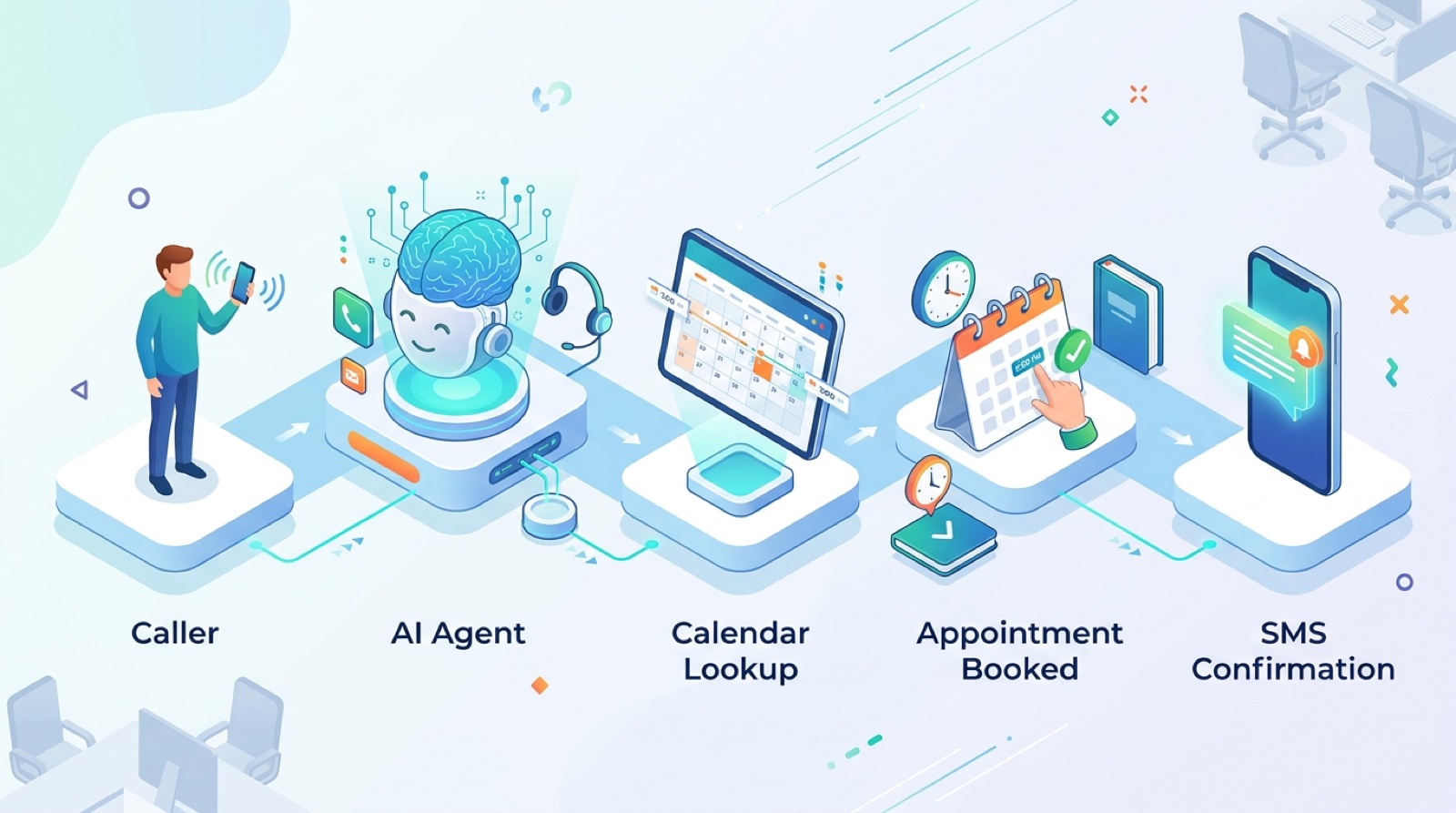
The 7 year evolution. Generation 3 (agentic LLMs with tool calling) is the first one where the math actually works for most businesses.
Written by Victor Smushkevich, CEO of Tested Media. Last review: April 2026. Victor has been profiled in Forbes, HuffPost, and MarketWatch on AI and digital marketing.
Talk with one of our SEO specialists today and see how we can supercharge your marketing campaigns!