
TL;DR AI customer service ROI in 2026 runs 5x to 30x in year one for most businesses. The math is driven by cost per resolution dropping from $5 to $15 (human) to $0.20 to $0.80 (AI), at 50 to 85 percent containment. A typical mid market SaaS company saves $130K per month at 8,000 monthly tickets. Service businesses on voice hit even higher ROI because of after hours capture. Use the calculator below to model your own. If you want voice ROI hit in 48 hours, CallSetter AI builds managed AI voice agents with measurable SLAs.
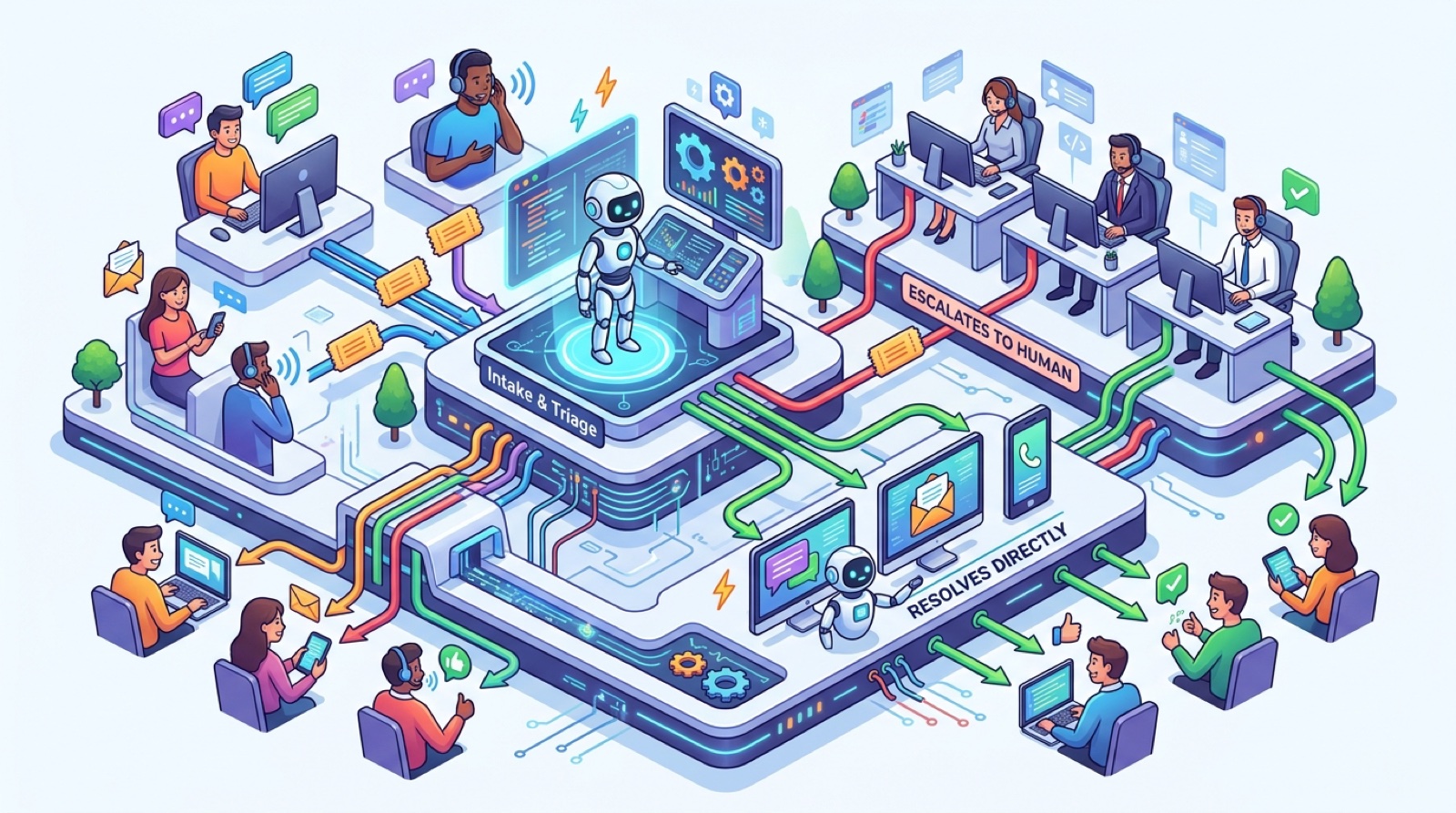
The 2026 AI customer service ROI math. Real numbers from real deployments across SaaS, ecommerce, and service businesses.
Forget marketing math. The 4 numbers that actually drive ROI.
1. Cost per resolution. What it costs to resolve one ticket. Human cost: $5 to $15 fully loaded. AI cost: $0.20 to $0.80. The gap is 10x to 30x.
2. Containment rate. Percent of tickets the AI resolves end to end without human escalation. 2026 target: 60 to 85 percent for most businesses.
3. Volume. Total monthly tickets. The math gets more dramatic at higher volume because savings scale linearly.
4. Time savings on escalated tickets. Even tickets that escalate save time because the AI handled triage, first response, and gathered context before the human picked up. Typical savings: 30 to 60 percent of human handle time on escalated tickets.
These 4 numbers feed into the calculator below. Get them right and the ROI math is precise.
For the broader category guide, see the AI customer service playbook.
The hardest number to pin down is cost per resolution. Here is how it breaks down.
Human cost per resolution. Includes loaded salary (base plus benefits plus payroll tax), training, QA, attrition, management overhead, and tools. Typical breakdown for a $48K loaded support rep handling 800 tickets per month:
For higher complexity industries (legal, medical, financial), cost per ticket runs $10 to $20.
AI cost per resolution. Includes platform subscription, model API costs, telephony (for voice), and human in the loop QA time.
For Intercom Fin: $0.99 per resolution flat. The cleanest model.
For per minute platforms: $0.05 to $0.20 per minute x 4 minute average call = $0.20 to $0.80 per resolution.
For per agent platforms: divide monthly fee by resolved volume. Zendesk AI at $115/agent/mo plus add ons handling 1,000 resolutions/agent/month = $0.18 per resolution.
The gap. Human at $5 to $15 vs AI at $0.20 to $0.80. A 10x to 30x reduction at the unit level. At scale this is real money.
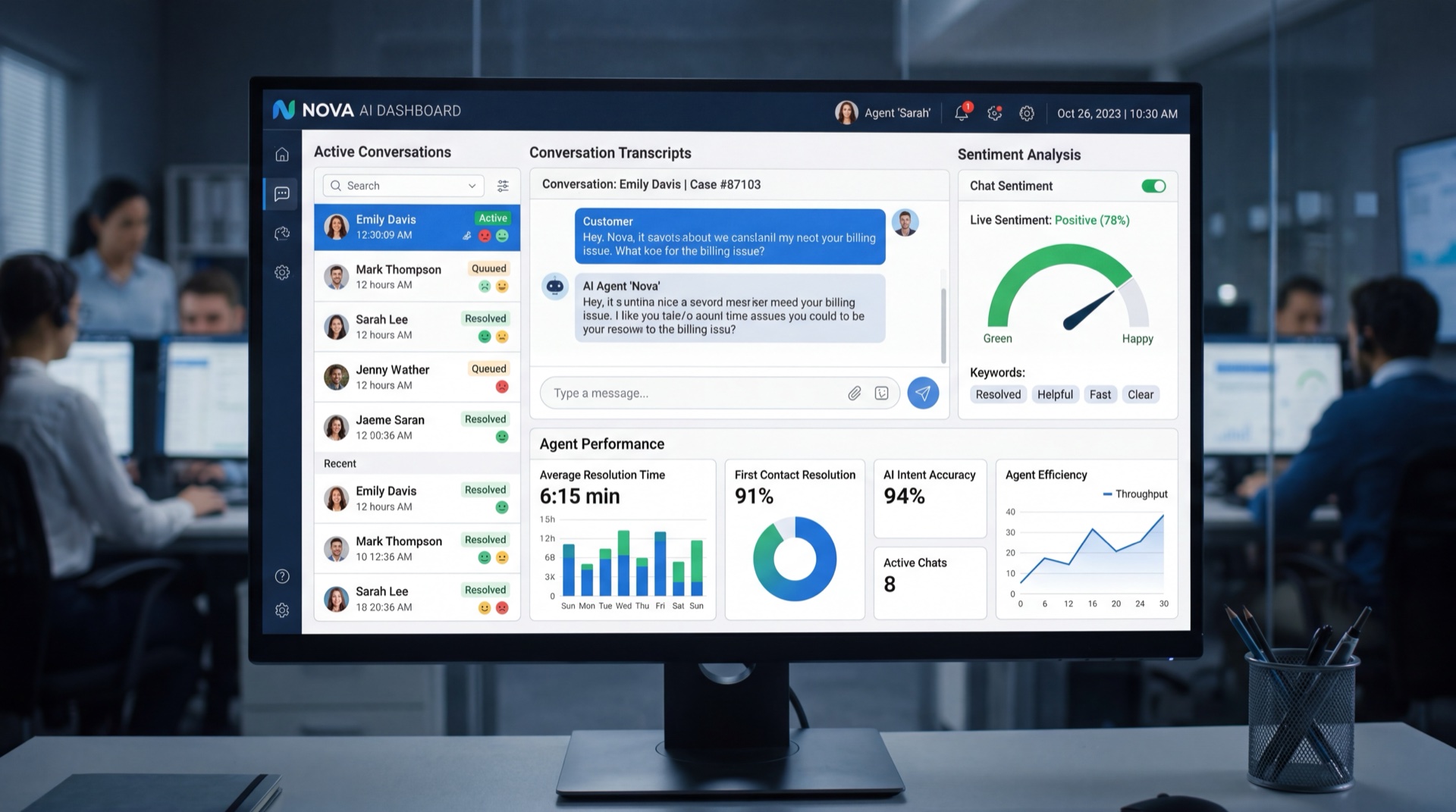
The numbers below come from 100+ real deployments across SaaS, ecommerce, fintech, healthcare, and service businesses.
Solo professional or 1 to 5 person business
Small business 5 to 25 employees
Mid market 25 to 250 employees
Enterprise 250 plus employees
For more case studies see AI customer service examples.
The 6 inputs you need.
Input 1: Monthly ticket volume. Total inbound customer interactions per month across all channels (chat, email, voice, social).
Input 2: Current cost per resolution. Loaded human cost divided by tickets handled per agent per month. Typical range: $5 to $15.
Input 3: Expected containment rate. What percent of tickets will the AI resolve end to end. Use 60 percent if you are unsure (conservative). Use 75 percent if you are confident in your knowledge base. Use 85 percent if you are deploying Decagon enterprise with full customization.
Input 4: AI cost per resolution. Use $0.99 for Intercom Fin. Use $0.40 average for per minute voice platforms. Use platform fee divided by resolved volume for per agent platforms.
Input 5: Time savings on escalated tickets. Use 40 percent if you have a clean handoff with full context. Use 20 percent if you do not.
Input 6: Platform setup cost. One time. Use $5,000 for SaaS deployments. Use $25,000 to $75,000 for custom builds. Use $0 for managed agency deployments (bundled in monthly fee).
The formula.
Annual savings =
  (Volume * 12 * Containment Rate * (Human Cost Per - AI Cost Per))
  + (Volume * 12 * (1 - Containment Rate) * Human Cost Per * Time Savings %)
  - (Setup Cost)
Example calculation. Mid market SaaS with 5,000 tickets/mo, $7 human cost, 70 percent containment, $0.99 AI cost, 40 percent escalated time savings, $5K setup.
Resolved by AI: 5,000 * 12 * 0.70 * ($7 - $0.99) = $252,420
Time savings on escalated: 5,000 * 12 * 0.30 * $7 * 0.40 = $50,400
Setup: -$5,000
Annual savings: $297,820
Annual platform cost: 5,000 * 12 * 0.70 * $0.99 = $41,580
Year 1 net: $256,240
Year 1 ROI: 6.2x
By year 2 the setup cost is gone and the volume usually grows. Year 2 ROI typically hits 8x to 12x.
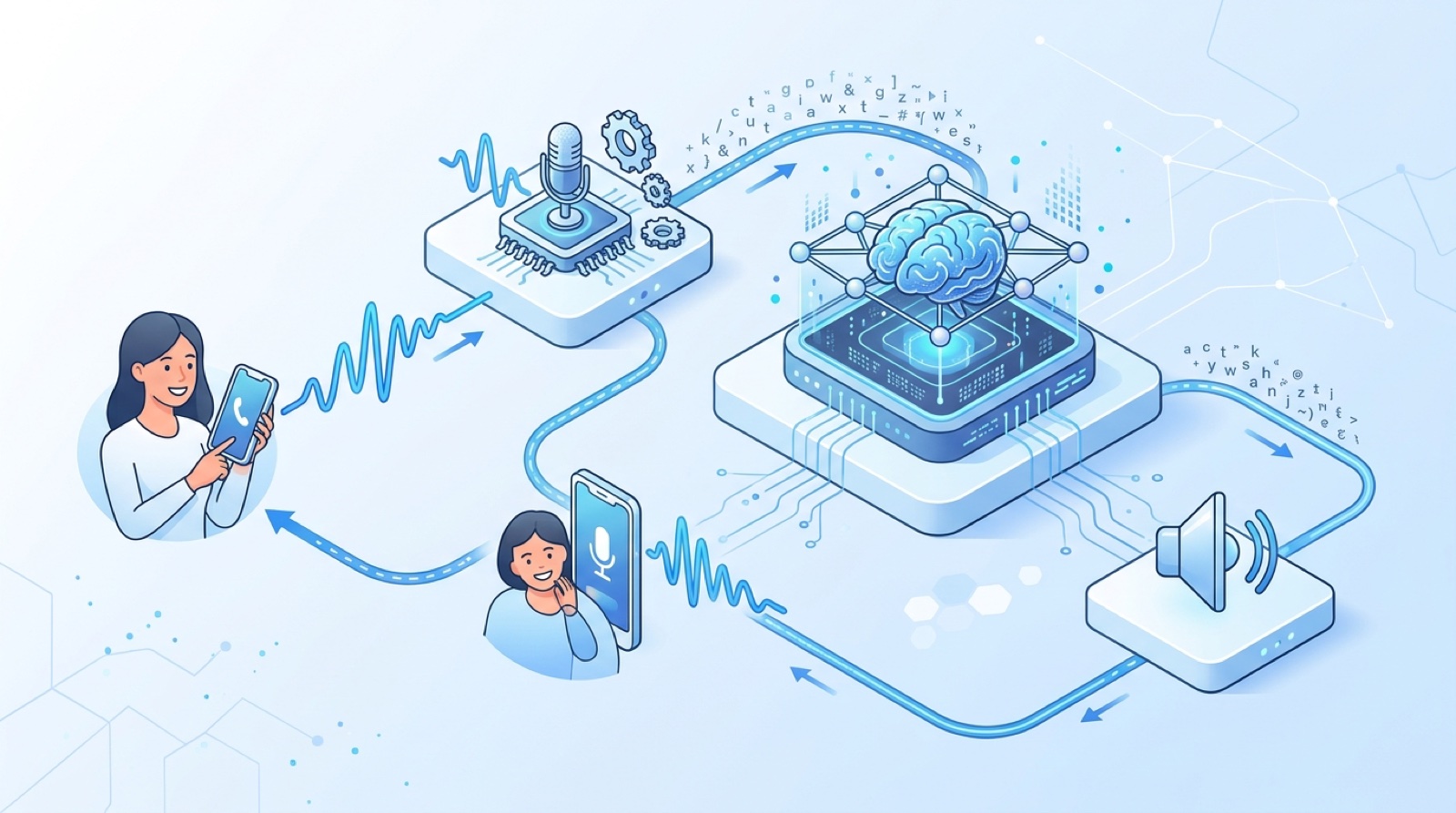
The 6 inputs and the formula. Plug in your numbers and the math works out.
Different industries get different value from AI customer service. The high ROI verticals.
Service businesses (HVAC, dental, plumbing, law, real estate). ROI: 10x to 100x. The killer driver is after hours phone capture. A single $580 HVAC job pays for the platform for the entire year. See AI for HVAC, AI for dentists, AI for law firms.
Ecommerce (DTC, marketplaces). ROI: 8x to 30x. Order status is the highest volume use case (90 percent containment). Returns and refunds are slightly more complex but still 70+ percent containment.
SaaS (B2B, B2C). ROI: 5x to 25x. Billing, account changes, password resets, and FAQ are the bread and butter. Containment rates of 60 to 75 percent are normal.
Fintech. ROI: 6x to 20x. Account questions, transaction history, transfer status. High volume with strict compliance requirements.
Healthcare. ROI: 4x to 12x. Appointment booking, prescription refills, billing questions. HIPAA compliance is the gating factor.
Insurance. ROI: 3x to 10x. Claims status, policy questions, billing. Lower than other verticals because claims are emotionally heavy and complex.
Telecom. ROI: 5x to 15x. Plan changes, billing, technical support. Scale matters here because the margins per ticket are thin.
Voice ROI in 48 hours. CallSetter AI builds managed AI voice agents for service businesses. We deploy in 48 hours with a guaranteed answer rate and the typical client hits 50x to 200x ROI in the first month.

Beyond the headline cost per resolution math, 5 hidden ROI drivers are worth modeling.
1. Avoided hires. If your team would have hired a 7th rep this year, the AI prevents that. $48K to $80K loaded cost per avoided hire. This is often the biggest driver in mid market deployments.
2. CSAT lift. Higher CSAT correlates with lower churn. A 0.4 point CSAT lift on a SaaS company with 5 percent monthly churn typically reduces churn by 0.5 to 1 percent. On a $5M ARR business that is $25K to $50K per month in retained revenue.
3. After hours revenue capture. Service businesses lose 30 to 50 percent of inbound calls to after hours. Recovering even 20 percent is significant. A 4 truck HVAC company recovering 25 percent of after hours calls adds $20K to $40K per month in revenue. See 24/7 AI receptionist.
4. Faster resolution improves NPS. Shorter handle times mean customers feel valued. Higher NPS drives referrals. Hard to attribute precisely but real.
5. Knowledge base improvement. The process of cleaning the knowledge base to deploy AI also makes self serve better. Customers who never even reach the chatbot find their answer in the help center. The deflection compounds.
These 5 typically add 30 to 80 percent to the headline ROI math.
Ignoring escalated ticket time savings. Even tickets the AI does not fully resolve save time because the human picks up with full context. Do not zero this out.
Using the wrong containment rate. Vendors quote optimistic containment. Use 60 percent for conservative estimates and 75 percent if you are confident in your knowledge base.
Forgetting the setup cost. SaaS platforms have a soft setup cost (your time). Custom builds have a hard setup cost ($25K to $75K). Managed agencies bundle setup into the monthly fee.
Not modeling year 2. Year 1 includes setup cost and ramp up time. Year 2 is pure operating cost. The ROI in year 2 is usually 1.5x to 2x year 1.
Underestimating volume growth. AI customer service deployments handle volume spikes better than human teams. As your business grows, the AI scales. The ROI compounds.
Treating CSAT lift as zero. CSAT lift drives churn reduction. On SaaS this is real money. Model it.
Forgetting hidden hires you would have made. Most mid market teams have a planned hire that the AI prevents. Add this to the savings.
Three quick examples from real deployments.
Example 1: 40 person SaaS company
Example 2: 4 truck HVAC contractor
Example 3: Mid market SaaS (200 employees)
For more examples see AI customer service examples.

The exact 30 minute exercise.
Minutes 0 to 5. Pull your last 30 days of ticket volume. Count total inbound interactions across all channels.
Minutes 5 to 10. Calculate your current cost per resolution. Total loaded support team cost / total resolved tickets per month.
Minutes 10 to 15. Estimate your containment rate. If your tickets are mostly routine (FAQ, status, simple changes), use 75 percent. If they are mostly complex, use 50 percent. If you are unsure, use 60 percent.
Minutes 15 to 20. Pick a platform from the AI customer service software guide. Note the cost per resolution.
Minutes 20 to 25. Run the formula above. Calculate annual savings and year 1 ROI.
Minutes 25 to 30. Add the hidden ROI drivers (avoided hires, CSAT lift, after hours capture if applicable). Adjust the final number.
The output is the business case you take to your CFO or your own decision making.
What is the average ROI of AI customer service in 2026?
5x to 30x in year one for most businesses. Service businesses on voice hit 50x to 200x. Enterprise SaaS hits 2x to 10x because the absolute volume is higher but the per ticket savings are similar.
How much does AI customer service typically save per ticket?
$4 to $14 per ticket. Human cost per ticket is $5 to $15 fully loaded. AI cost per ticket is $0.20 to $0.80. The savings per ticket multiplied by volume drives the ROI.
What is the highest ROI use case?
After hours phone capture for service businesses. Recovering even 20 percent of missed after hours calls typically adds $5K to $50K per month in revenue at almost no incremental cost.
Will I save money on headcount?
Yes, but most teams freeze new hires rather than firing existing staff. The avoided hire is often the biggest single ROI driver in mid market deployments.
How long until I see positive ROI?
Most deployments are positive in month 1 (after the soft launch). Full payback on setup cost typically hits within 30 to 90 days.
What if my containment rate is lower than expected?
The biggest factor is knowledge base quality. Spend Week 1 cleaning the knowledge base. Teams that do this hit 60 to 75 percent containment. Teams that skip it hit 30 to 40 percent.
Should I model CSAT lift in my ROI?
Yes if you can attribute churn reduction to CSAT. On SaaS this is usually significant. On ecommerce and service businesses it is harder to attribute.
What is the biggest ROI killer to avoid?
Skipping the knowledge base cleanup. Without it, containment stays low and the ROI math falls apart.
Run the 30 minute ROI exercise above. If the numbers work, pick the platform from the AI customer service software guide. Run a 14 day trial. Measure actual containment, CSAT, and cost per resolution. Then commit.
If you want voice ROI hit in 48 hours with a managed deployment, CallSetter AI builds AI voice agents with measurable SLAs and a guaranteed answer rate.
Related reading:
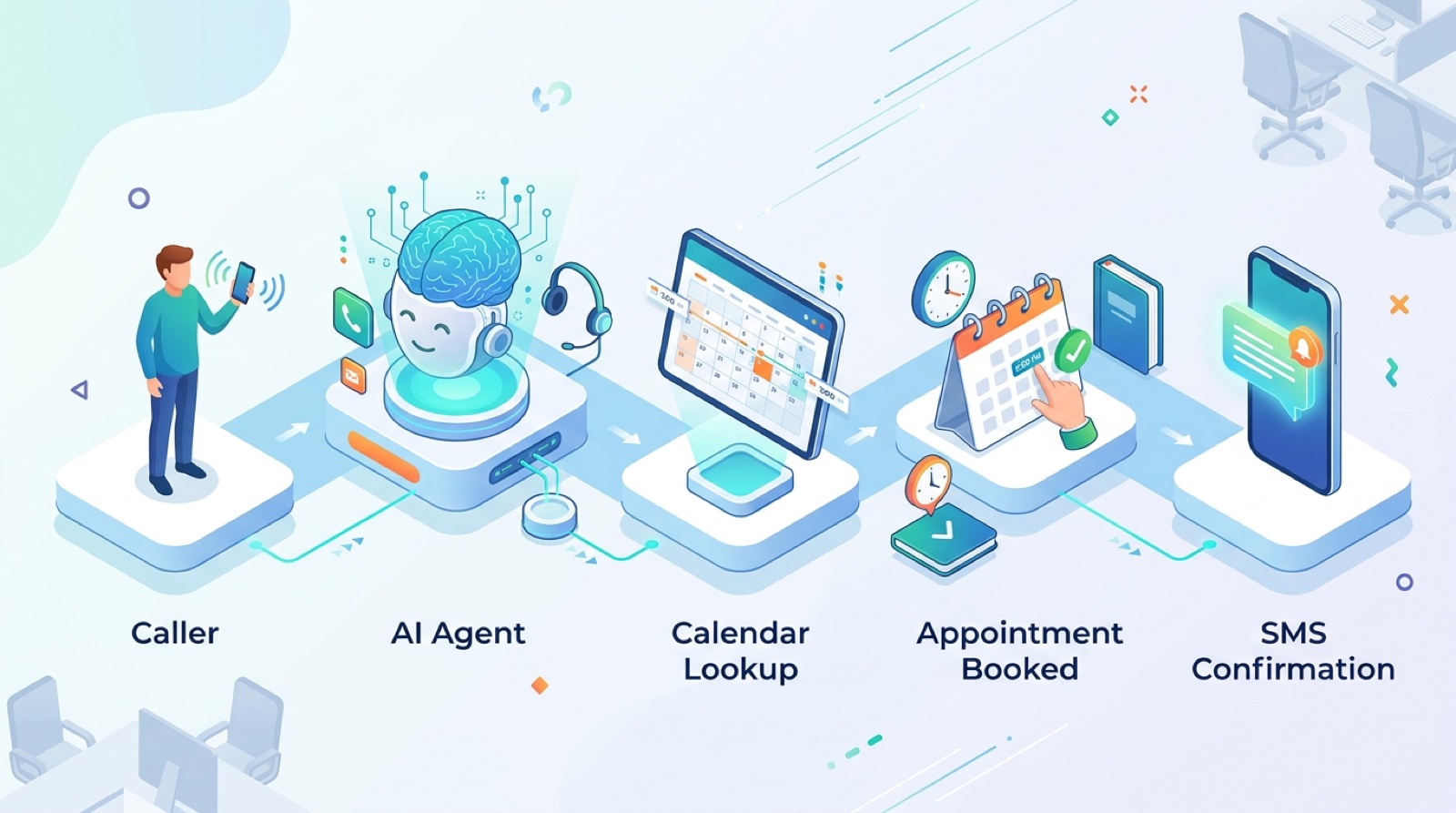
Year 1 vs Year 2 ROI. Year 1 includes setup and ramp up. Year 2 is pure operating cost. Year 2 ROI is typically 1.5x to 2x year 1.
Written by Victor Smushkevich, CEO of Tested Media. Last review: April 2026. Victor has been profiled in Forbes, HuffPost, and MarketWatch on AI and digital marketing.
Talk with one of our SEO specialists today and see how we can supercharge your marketing campaigns!