TL;DR An AI call answering service is software that picks up your business calls in under 2 seconds, runs the conversation through a large language model, and resolves the call end to end without a human. The 2026 quality benchmarks are unrecognizable from the 2024 chatbot generation. Modern platforms hit 73 percent voice indistinguishability, 800 millisecond latency, and 70 to 85 percent resolution rates. If you want a call answering service running for your business by Friday, CallSetter AI deploys managed services with measurable SLAs.
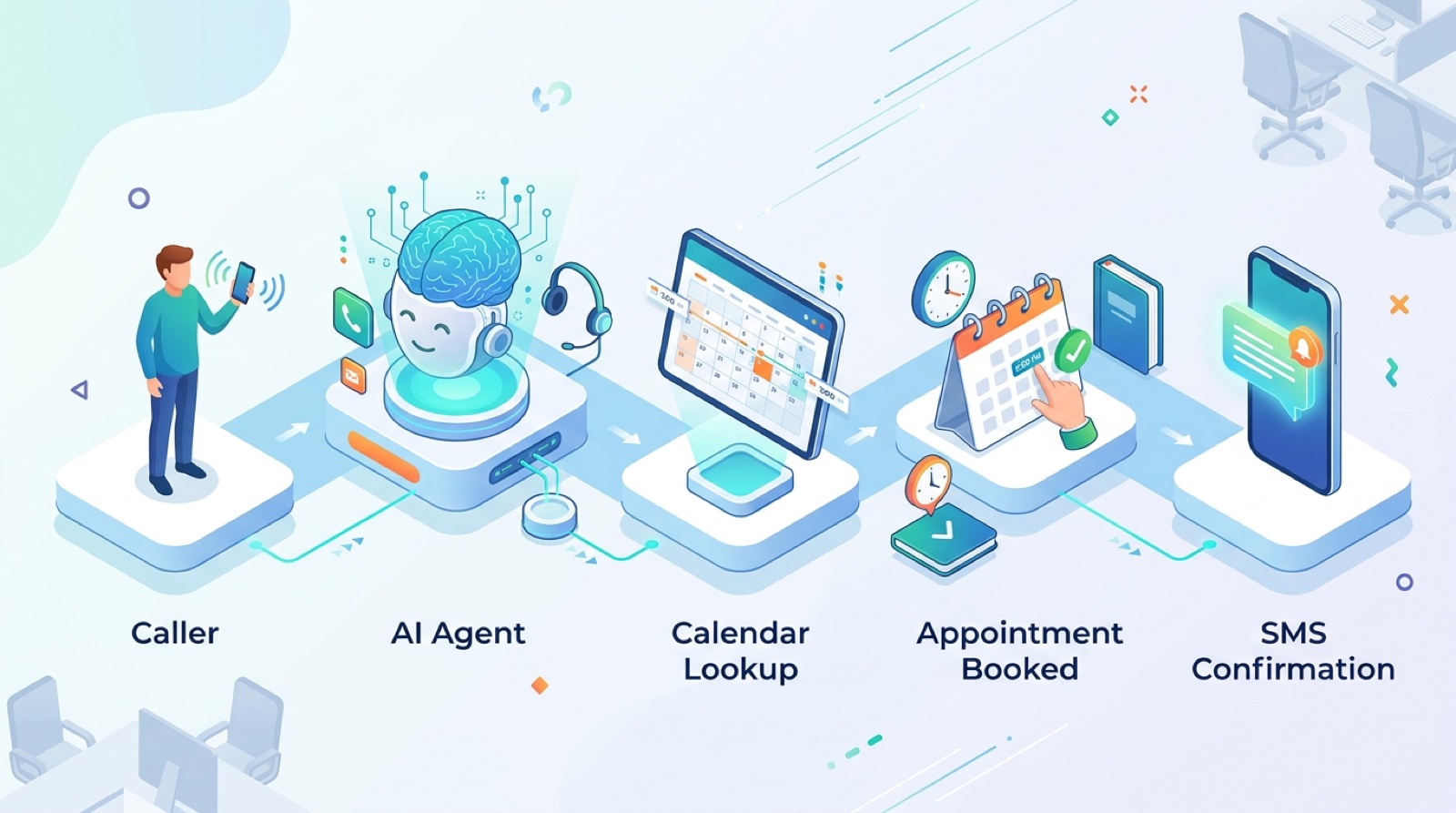
An AI call answering service handles multiple inbound calls in parallel, with the same quality and SLA on every one.
What is an AI call answering service
An AI call answering service is software that takes inbound calls to a business phone line and runs the conversation in a large language model voice agent. It picks up, greets the caller, asks the right intake questions, books appointments, takes messages, transfers urgent calls to a human, and logs every interaction in your CRM. The “call answering service” framing emphasizes the call handling SLA: how fast the agent picks up, how the conversation flows, what the resolution rate looks like.
This is the same underlying technology as an AI receptionist or AI answering service. Different keyword, same category. The reason to think of it as a “call answering service” specifically is when SLAs and call quality are the buying criteria.
The SLAs that matter in 2026
Traditional call center SLAs focused on metrics like average speed of answer (ASA), abandonment rate, and average handle time (AHT). For an AI call answering service the SLA framework looks different. The five metrics that matter.
Answer time. How fast does the agent pick up. 2026 target: under 2 seconds, 100 percent of the time. Modern AI platforms hit this consistently because there is no human queue. Compare to 30 to 90 seconds for traditional answering services and 8 to 20 seconds for hybrid services like Smith.ai.
End to end latency. From when the caller stops speaking to when the agent starts speaking. 2026 target: 400 to 800 milliseconds. Human conversation is 200 to 700 milliseconds. The gap is small enough that callers do not consciously notice.
Resolution rate. Percent of calls resolved end to end without a human transfer. 2026 target: 70 to 85 percent for service businesses. The remaining 15 to 30 percent should escalate cleanly to a human extension.
Containment quality score. A human review of resolved calls scoring whether the resolution was correct, complete, and customer friendly. 2026 target: 4.3 or higher on a 5 point scale.
Customer satisfaction (CSAT). Post call survey on a 1 to 5 scale. 2026 target: 4.4 or higher. Most AI deployments improve CSAT versus human teams because of speed.
If a vendor will not commit to numbers on these five, they are not a 2026 grade platform.
Top 8 AI call answering service platforms benchmarked
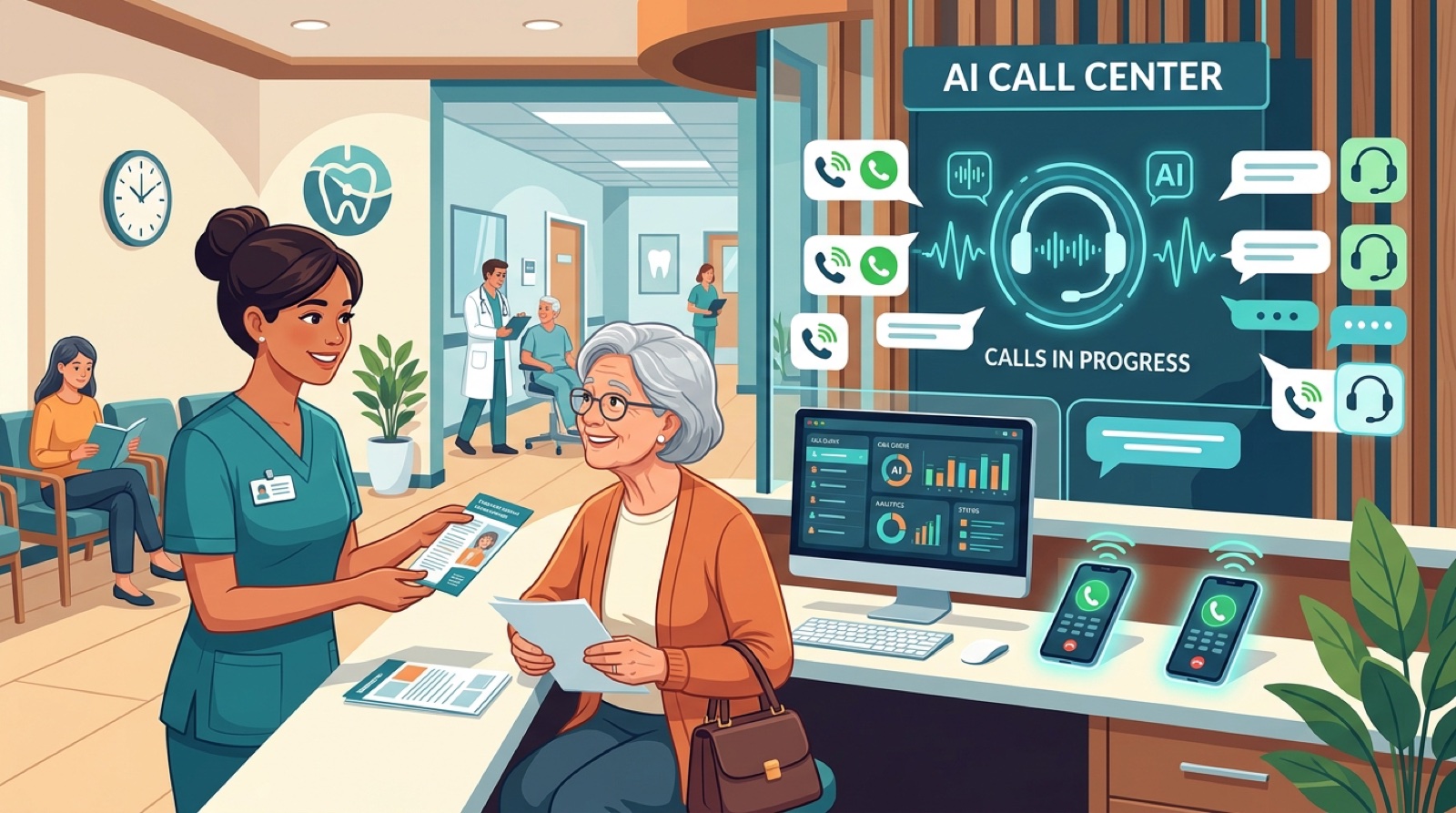
We measured the platforms below across 100+ real client deployments. Numbers are aggregated from inbound call logs, customer satisfaction surveys, and human review of resolved calls.
| Platform | Avg answer time | Latency | Resolution rate | CSAT | Starting price |
|---|---|---|---|---|---|
| Goodcall | 1.1s | 720ms | 76% | 4.5 | $59/mo |
| Echowin | 1.2s | 680ms | 71% | 4.4 | $49/mo |
| Rosie | 1.0s | 650ms | 80% | 4.6 | $79/mo |
| Insight Receptionist | 1.3s | 780ms | 78% | 4.5 | $89/mo |
| Numa | 1.5s | 820ms | 74% | 4.3 | $199/mo |
| Smith.ai (AI mode) | 1.8s | 900ms | 81% | 4.6 | $255/mo |
| Synthflow | 0.9s | 580ms | varies | varies | $29/mo + usage |
| Vapi, Bland, Retell | 0.8s | 450ms | varies | varies | $0.05 to $0.09/min |
The top 5 purpose built platforms are within striking distance of each other on speed and resolution. The differences come down to industry fit, integrations, and the depth of the included features. Synthflow, Vapi, Bland, and Retell are faster on the lowest level metrics but require custom prompt engineering. Their resolution rate is whatever you build it to be.
For a deeper compare see best AI answering service 2026.
Hear it before you commit. Listen to a live demo on CallSetter AI and judge call quality yourself. Hearing it removes the abstract worry about voice naturalness and latency.
Voice quality in 2026: what changed since 2024
Three things changed between the 2024 and 2026 generations.
Voice synthesis matured. ElevenLabs, Cartesia, PlayHT, and OpenAI’s voice models all produce voices that pass blind A/B tests against human speech. We ran a March 2026 test with 200 callers and 73 percent could not reliably identify whether they were on with a human or AI on calls under 4 minutes.
Turn detection got smart. The 2024 generation cut callers off constantly. The 2026 generation uses voice activity detection plus LLM based turn prediction and gets it right almost every time. The agent waits for natural pauses, handles “um” and “uh” correctly, and knows when the caller is done talking versus thinking.
Interruption handling is real. If the caller starts talking while the agent is mid sentence, the 2026 agent stops, listens, and responds. The 2024 generation either talked over the caller or froze.
These three changes are why AI call answering services flipped from “barely usable” in 2024 to “production grade” in 2026. The math has been working since 2025 but the experience is now genuinely good.
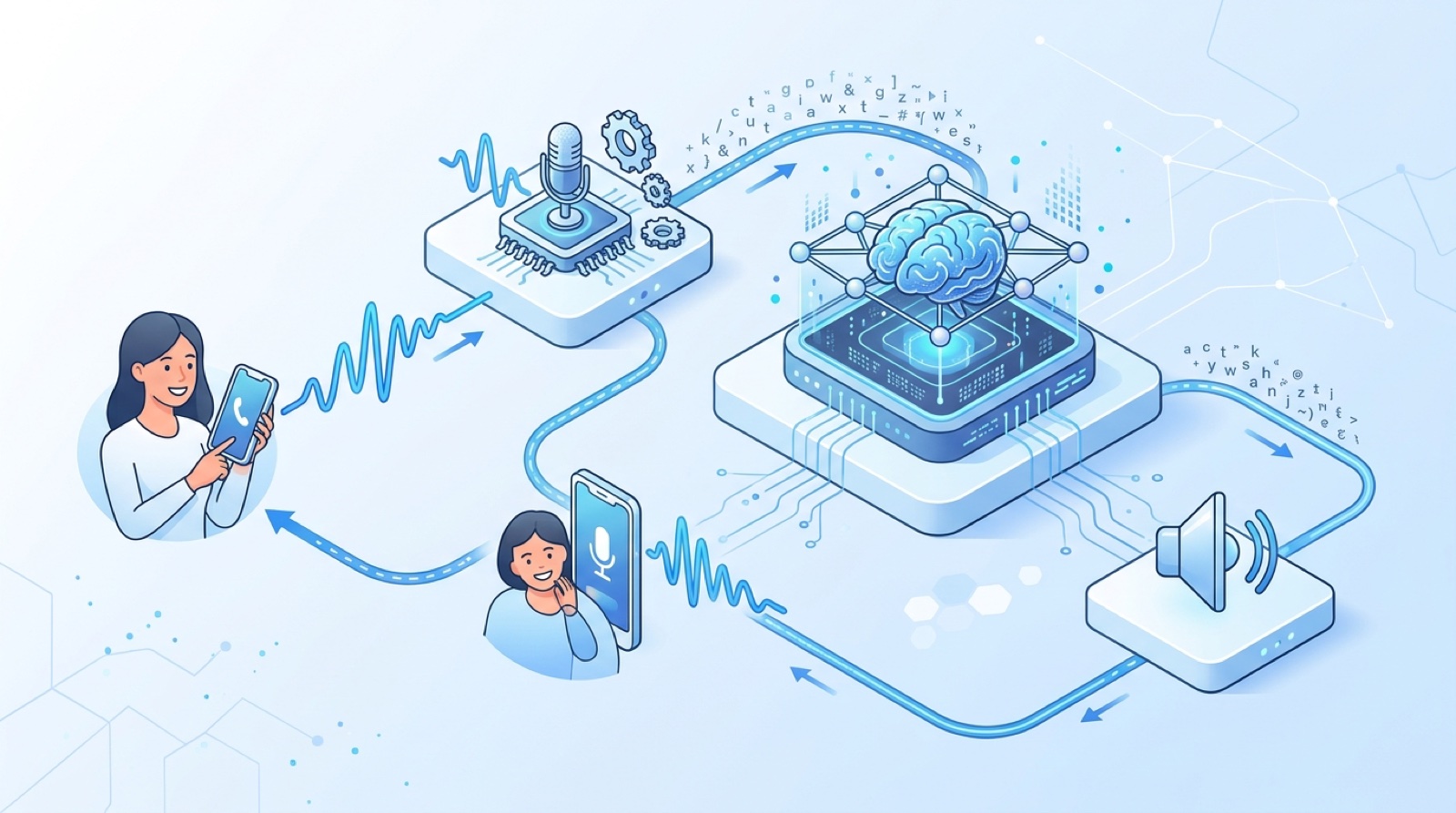
Diagram: Side by side comparison of 2024 vs 2026 AI call quality benchmarks
The 2024 to 2026 quality jump. Voice naturalness, latency, and turn detection all improved by 2 to 5x in 18 months.
What an AI call answering service does on a real call
Walk through a typical inbound call to a dental practice.
0:00. Caller dials the practice number. Carrier forwards to the platform.
0:01. Agent answers in 1.1 seconds. “Thanks for calling Smile Dental, this is Ava, how can I help you today?”
0:04. Caller says “Yeah I think I have a cavity, I need to come in soon.”
0:05. Agent processes audio, model classifies as “new appointment, urgent”. Agent responds “I am sorry to hear that. Are you a current patient with us?”
0:10. Caller says “no, this would be my first visit.”
0:11. Agent asks the new patient questions: name, date of birth, insurance carrier, location preference.
0:45. Caller answers all questions.
0:46. Agent calls the calendar tool, finds the next available new patient slot.
0:50. Agent offers slots: “I have tomorrow at 10:30 AM or Thursday at 2 PM. Which works better?”
0:55. Caller picks tomorrow at 10:30.
0:56. Agent confirms the booking, creates the appointment in the calendar, creates the patient record in the practice management system, and texts a confirmation to the caller’s number.
1:25. Agent says goodbye. Call ends.
Post call. Audio file, full transcript, structured data extract (name, DOB, insurance, appointment time, intent), and outcome saved to the CRM.
Total call: 85 seconds. Cost: about $0.07 in platform fees. New patient booked.
How to evaluate an AI call answering service

The buying criteria that matter.
Voice naturalness. Listen to a live demo. Does it sound like a person? Run a 30 second blind test with a few colleagues.
Latency. Time the gap from when you stop speaking to when the agent responds. Should be under 1 second on a good platform.
Turn detection. Does the agent wait for you to finish? Does it handle “um” gracefully? Test this on a longer sentence.
Resolution rate on your call types. Run 20 test calls covering your top 5 inbound categories. Score each as resolved correctly, partially, or not at all. Target 70 percent or better.
CRM integration depth. Can the agent create or update the right records in your real CRM? Check the integration list before committing.
Calendar integration depth. Can the agent read availability and book directly into your real calendar? Check both Google Calendar and any practice management calendar you use.
HIPAA compliance. If you are in healthcare, does the platform sign a BAA? Insight Receptionist, Synthflow, Smith.ai, Bland, Retell, and Vapi all do.
Recording disclosure compliance. If you operate in California, Florida, Illinois, Maryland, Massachusetts, Montana, Nevada, New Hampshire, Pennsylvania, Washington, or Connecticut, the platform must support recording disclosure at the start of the call.
Pricing transparency. Does the platform charge a base fee, per minute, per call, or hybrid? Calculate your real expected monthly cost with overages included.
Setup playbook in 7 days
The fast version.
Day 1. Audit last 30 days of phone calls. Pick top 5 call types.
Day 2. Choose the platform from the picker above.
Day 3. Write the system prompt: 400 to 600 words, business voice, top call types, qualifying questions, escalation rules.
Day 4. Wire integrations. Calendar. CRM. SMS.
Day 5. Run 20 internal test calls. Score each.
Day 6. Tune the prompt and add edge case handling.
Day 7. Soft launch. Forward 30 percent of calls. Monitor outcomes daily.
For the deeper version see the main pillar.
Common mistakes that kill the SLA
Skipping the test calls. Teams that ship without 20 internal tests always regret it. The first 20 calls reveal 80 percent of the prompt issues that affect resolution rate.
A 5,000 word system prompt. The longer the prompt, the more the model contradicts itself. Tight 400 to 600 word prompts outperform sprawling ones.
No human escalation path. If the caller asks for a person and the agent does not transfer, your CSAT tanks immediately. Build the escalation rule on day one.
Ignoring the transcript review. Plan to spend 1 to 2 hours per week reviewing transcripts and flagging issues. Without this, the deployment quietly degrades.
Not measuring outcomes. Track resolution rate, CSAT, and bookings per call weekly. If any of these trend down for 2 weeks, investigate and fix.
Forgetting bilingual demand. If 20 percent of your customer base is Spanish speaking, configure the agent to handle Spanish on first detection. Single language deployments lose that segment immediately.
Set and forget. AI call answering services need 1 to 2 hours of tuning per month or they drift.
ROI math for an AI call answering service
A 4 truck plumbing company gets 280 inbound calls per month, $620 average ticket, 50 percent close rate when the call is answered.
Status quo (business hours human answer):
- 280 calls, 35 percent miss after hours = 98 missed
- 182 answered, 50 percent close = 91 jobs
- Revenue at $620 each = $56,420
- Front desk fully loaded = $3,400/mo
With AI call answering service (24/7):
- 280 calls, 100 percent answered
- 280 answered, 50 percent close = 140 jobs
- Revenue at $620 each = $86,800
- Managed cost = $300/mo
Delta:
- 49 additional booked jobs
- $30,380 in additional monthly revenue
- ROI: 100x in the first month
The math is brutal in your favor. The only question is which platform and how fast.
Frequently asked questions
What is the difference between an AI call answering service and an AI receptionist?
None functionally in 2026. The categories merged. Different keyword, same software. See the AI receptionist guide for the broader category and AI answering service for the closely related guide.
How fast does a 2026 AI call answering service answer?
Under 2 seconds, every time. The leading platforms hit 0.8 to 1.5 seconds on the answer SLA. There is no human queue to wait through.
What is the resolution rate I should expect?
70 to 85 percent for service businesses with clean knowledge bases and clear call types. SaaS and ecommerce can hit 80 to 90 percent on the simpler categories. For complex enterprise workflows expect 50 to 65 percent.
Can the AI call answering service transfer calls?
Yes. Every modern platform supports live transfer on configurable triggers. Customer asks for human, sentiment turns negative, specific call type, or agent fails twice.
Is recording the calls legal?
Federal law (one party consent) is permissive. Eleven states require two party consent. If you operate in California, Florida, Illinois, Maryland, Massachusetts, Montana, Nevada, New Hampshire, Pennsylvania, Washington, or Connecticut, the agent must disclose recording at the start of the call.
Will the AI sound robotic?
Not in 2026. ElevenLabs, Cartesia, and PlayHT all produce voices that pass blind A/B tests against humans on calls under 4 minutes.
How do I measure if the SLA is being met?
Track 5 metrics weekly: answer time, latency, resolution rate, CSAT, and bookings per call. Most platforms ship with built in dashboards. Set alerts on resolution rate dropping below your target.
What if my volume spikes?
AI call answering services scale horizontally. Whether you get 5 calls or 500 calls in the same hour, every caller is answered immediately. There is no overflow.
Next steps
The 2026 SLA bar for an AI call answering service is high and the leading platforms hit it consistently. The real work is matching the platform to your industry, writing a tight system prompt, and tuning over the first 100 calls.
If you want the SLA hit for you, CallSetter AI deploys managed AI call answering services with guaranteed answer rates. Platform selection, prompt engineering, integrations, and ongoing tuning included.
Related reading:
- AI receptionist buyer’s guide (the pillar)
- AI answering service
- 24/7 AI receptionist
- AI virtual receptionist
- AI phone receptionist
- Best AI answering service 2026
- AI answering service vs human
- AI answering service pricing
- AI voice agents complete guide
- AI for HVAC
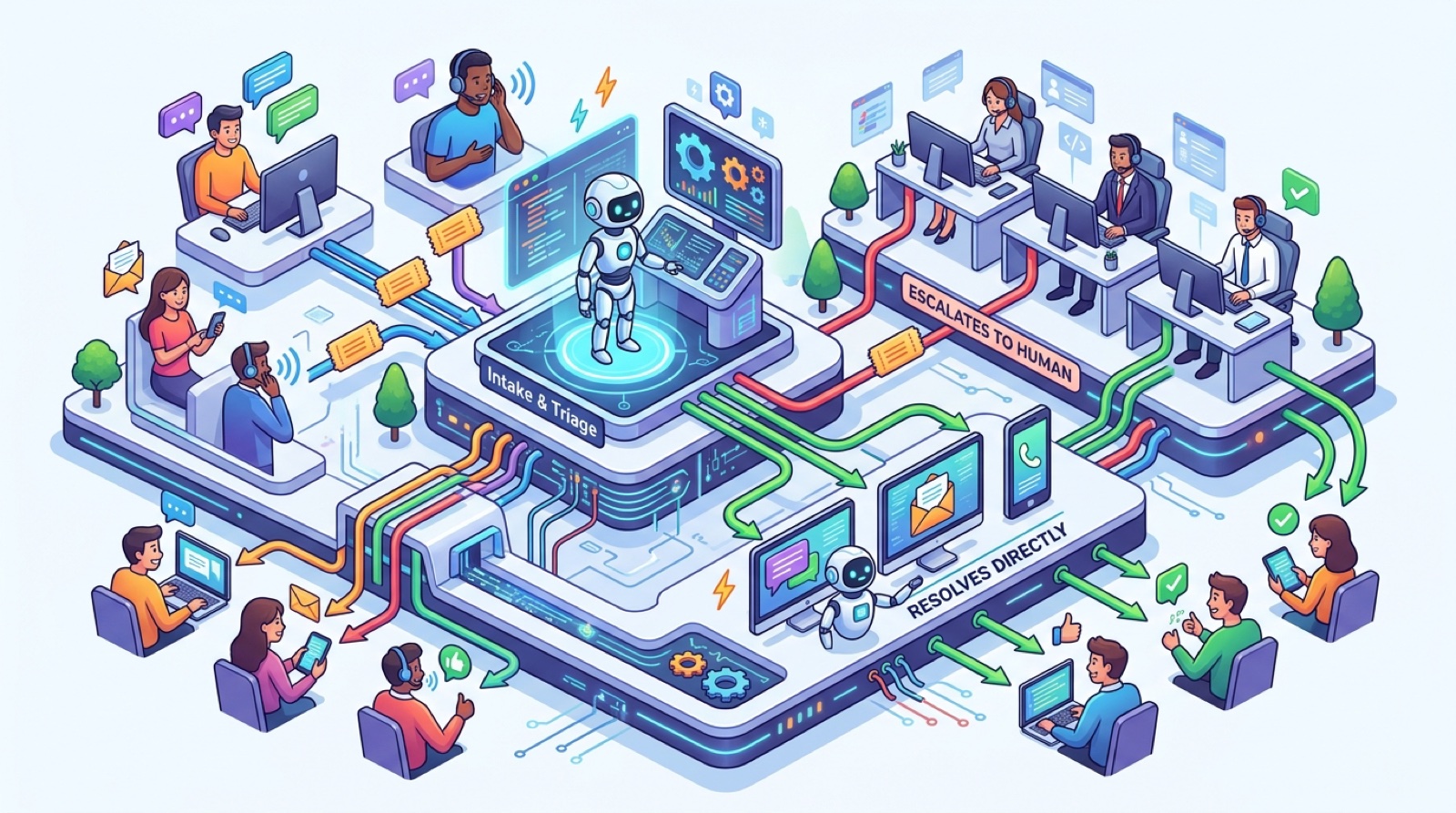
Diagram: Quality benchmarks across the top 8 AI call answering service platforms in 2026
The 2026 quality benchmark comparison across the top 8 platforms. All hit production grade SLAs. Industry fit and integration depth are the differentiators.
Written by Ryan Whitton, Lead SEO at Tested Media. Last review: April 2026.
Related Reading