TL;DR An AI automation agency in 2026 builds the workflow plumbing that makes AI actually work in a business. They wire HubSpot AI, Klaviyo AI, Customer.io, Salesforce Einstein, and the LLMs together with Zapier AI, Make.com, n8n, and custom code. They charge $3K to $50K per month and ship working automations in 2 to 8 weeks. AI automation agencies build the funnel plumbing. CallSetter AI is the AI voice agent that handles the call layer most automation agencies miss.
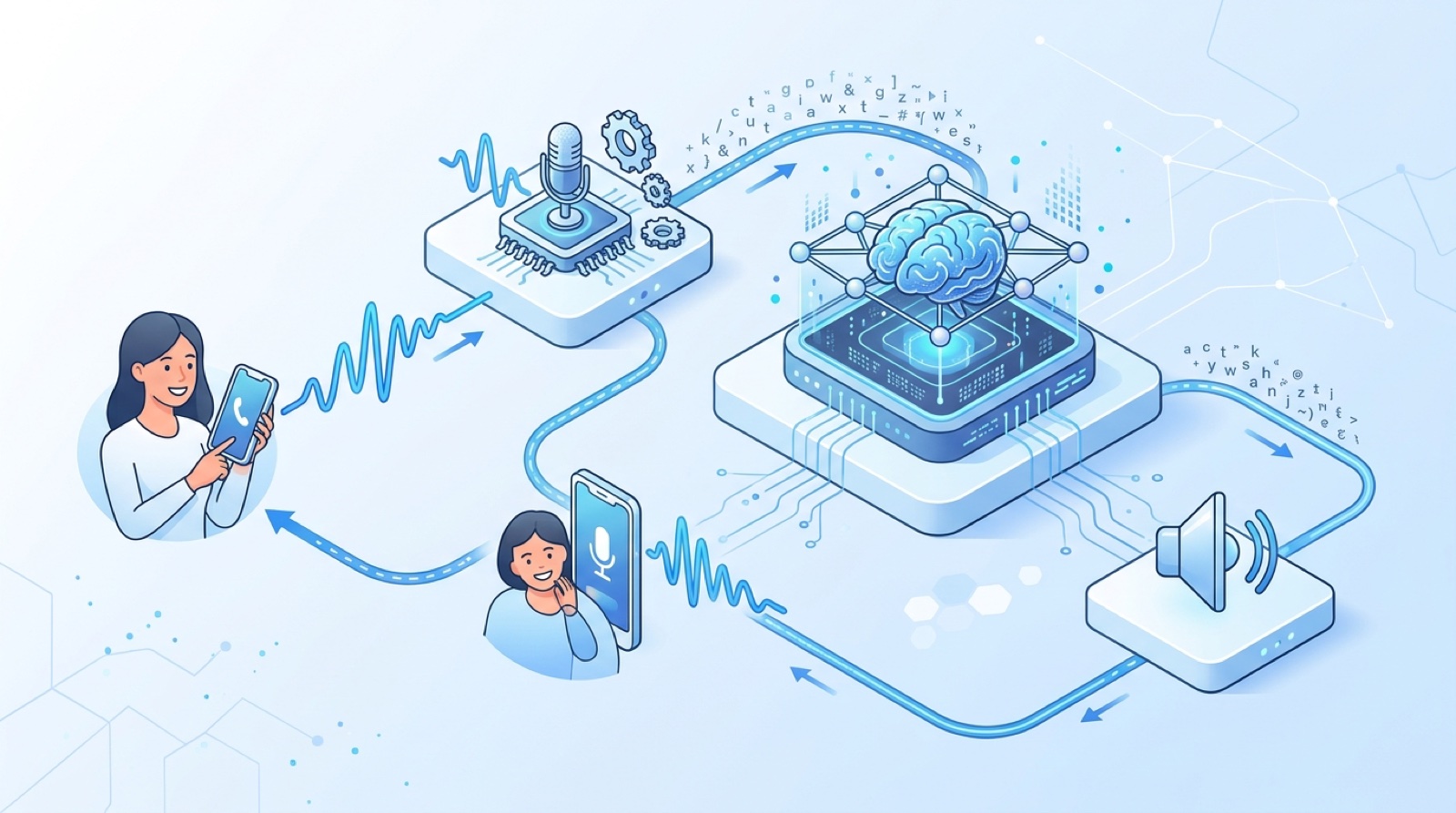
An AI automation agency wires platforms together so AI ships across the entire workflow, not just inside one tool.
What an AI automation agency actually does
An AI automation agency is not a marketing agency. They are workflow engineers. The job is to take the AI capabilities that already exist inside major platforms (HubSpot AI, Klaviyo AI, Customer.io, Salesforce Einstein) and stitch them together with the long tail of business operations using Zapier AI, Make.com, n8n, and custom integrations.
The 5 things an AI automation agency owns.
1. Workflow audit. Map every manual process in the business and rank by hours saved if automated. Pick the top 10 to 30 candidates.
2. Tool selection. Pick the right combination of platforms (HubSpot AI for CRM, Klaviyo for ecommerce email, Make.com for glue code, n8n for self hosted automation).
3. Build. Implement the automations. Write the prompts. Wire the APIs. Test the edge cases. Document everything.
4. Integration. Connect every system in the business so data flows without a human re typing it anywhere.
5. Maintain and optimize. Workflows break. APIs change. Models drift. The agency takes responsibility for keeping the automations alive and the lift compounding.
The line between an AI automation agency and an AI marketing agency. The marketing agency focuses on the marketing surface (campaigns, content, ads, email, SMS). The automation agency focuses on the workflow plumbing across every department. The best partners do both, but most specialize.
What an AI automation agency costs
Real numbers from the 2026 market.
Tier 1. Project based. $3K to $25K per project. Right for businesses that want one specific automation built (lead intake, CRM sync, invoice automation). Projects ship in 2 to 6 weeks.
Tier 2. Boutique retainer. $5K to $15K per month. Right for SMB and early stage SaaS that want a continuous flow of automations across the business. The boutique tier is where Tested Media operates.
Tier 3. Mid market retainer. $15K to $50K per month. Right for businesses doing $1M to $10M ARR with complex workflows across sales, marketing, ops, and support.
Tier 4. Enterprise. $50K plus per month. Custom integrations, dedicated team, multi region.
The pattern. Every tier delivers 10 to 30x return on agency cost when the engagement targets the right workflows. The biggest variable is which workflows you automate, not which agency you pick.
For more cost context see AI marketing tools and marketing automation tools.
The 10 most valuable automations to build
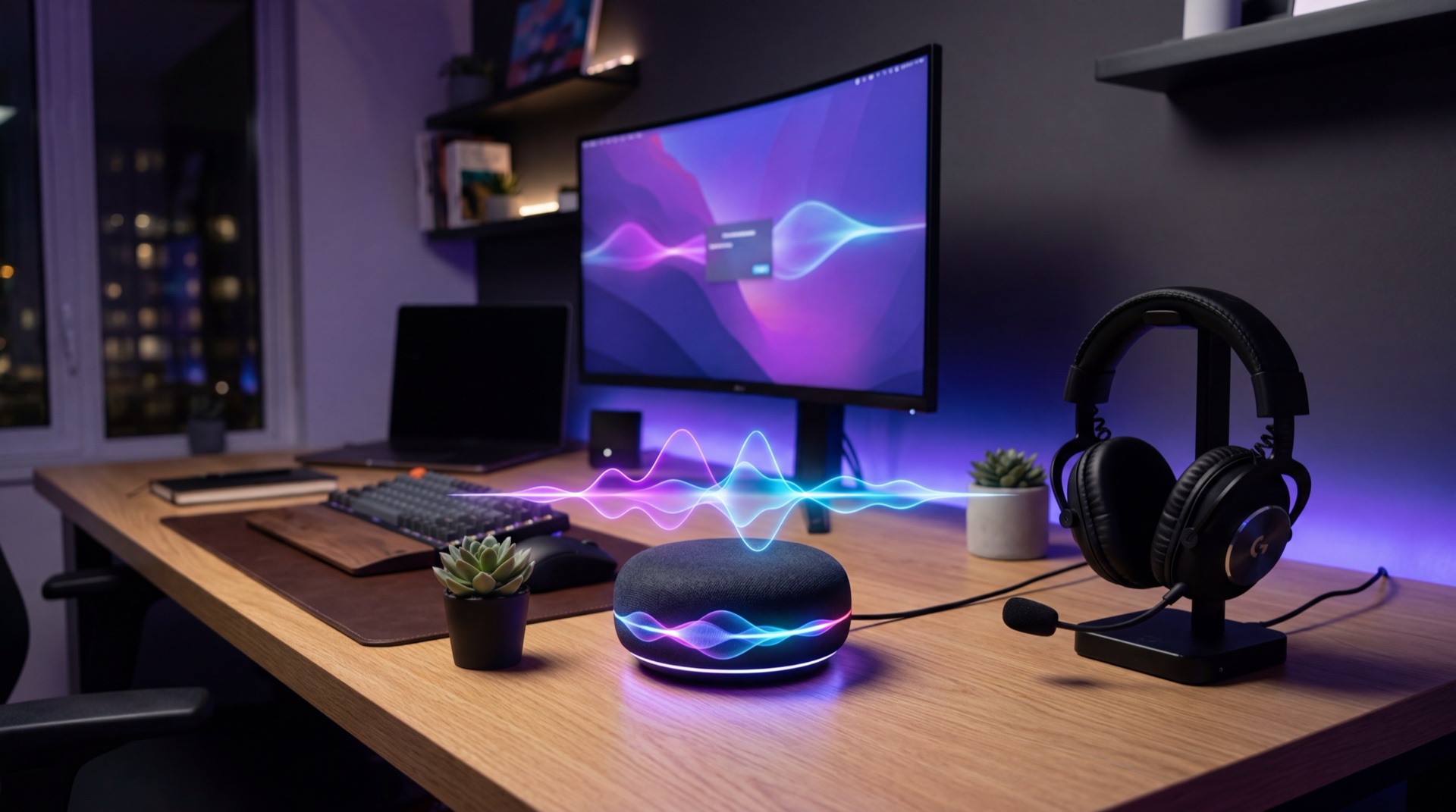
The workflows we ship in almost every AI automation agency engagement. Each one is high leverage, fast to build, and produces measurable lift inside 30 days.
1. Lead intake to CRM. Form fill or chat conversion goes straight into the CRM with enrichment from Clearbit or Apollo. No manual data entry. No leads dropped.
2. Lead scoring and routing. Scored on intent, fit, and timing. Routed to the right rep or to an AI voice agent like CallSetter AI for instant follow up.
3. Cross channel nurture. Email plus SMS plus push plus retargeting orchestrated by HubSpot AI or Customer.io with model picked next best action.
4. Content production pipeline. Brief goes in, LLM drafts, human edits, AI scores, content publishes to WordPress, social, and email. End to end in hours, not days.
5. Sales call summary and CRM update. Recording goes in, AI transcribes, AI summarizes, AI updates the CRM with deal stage, action items, and next steps. Saves reps 5 to 10 hours per week.
6. Support ticket triage. AI reads inbound tickets, classifies, suggests an answer, routes to the right human if needed. Cuts response time 60 to 80 percent.
7. Invoice automation. AI reads inbound invoices, extracts data, matches to POs, routes for approval, posts to accounting. Eliminates manual AP work.
8. Reporting automation. Pulls data from 8 sources, builds the weekly report in Notion or Slack, sends to leadership. Saves the analyst 6 hours per week.
9. Onboarding automation. New customer triggers a sequence of welcome email, account setup, training scheduling, and CRM updates. Reduces time to value by 40 to 60 percent.
10. Voice agent integration. Wires the marketing stack into an AI voice agent so inbound calls get answered, qualified, and routed to the CRM. This is the highest leverage automation for service businesses.
For deeper how to read AI marketing automation and automated marketing.
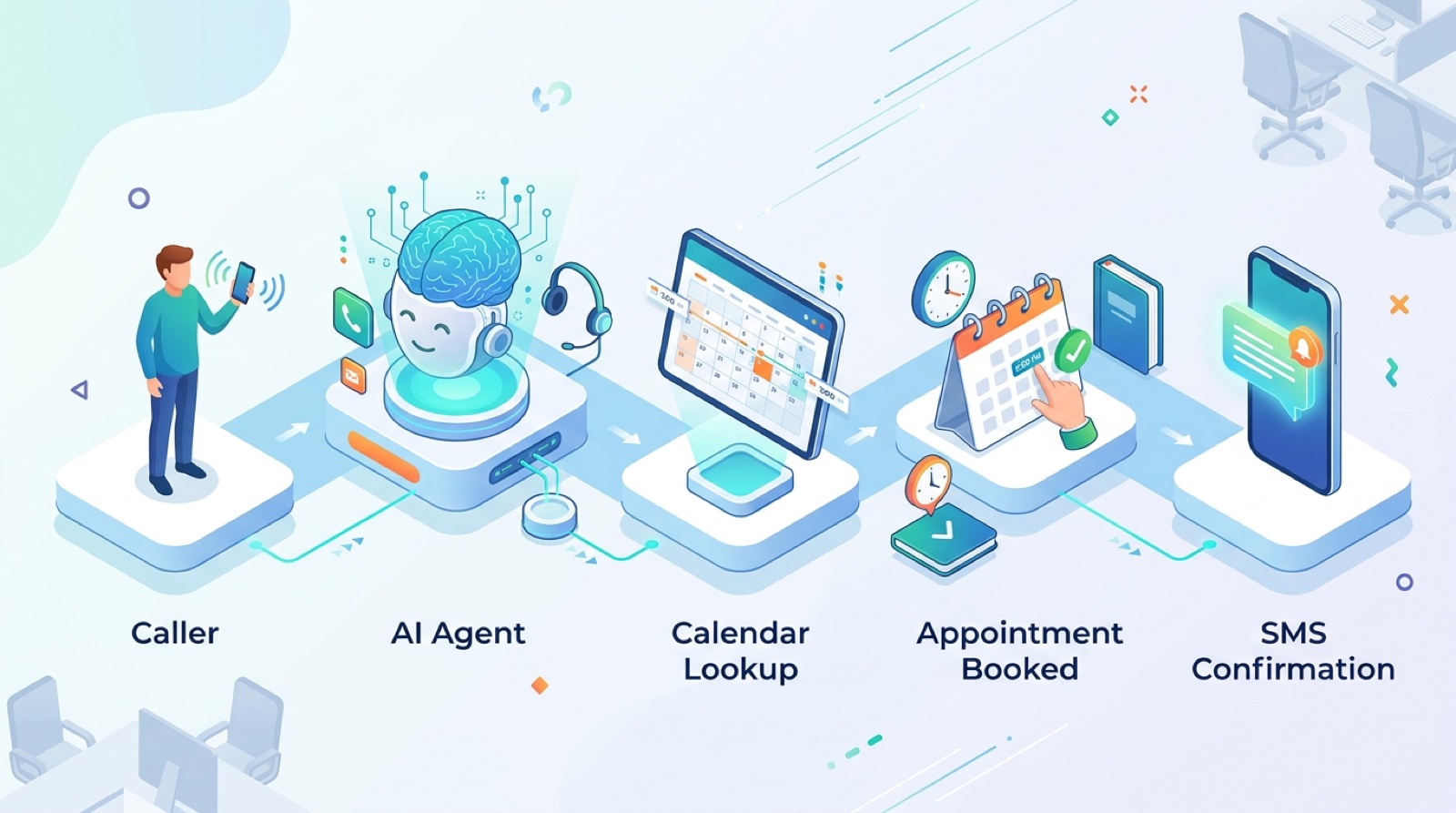
Diagram: ai automation agency workflow stack 2026
The full AI automation stack. Platforms ship the AI. The agency wires them together with Zapier, Make, n8n, and custom code.
Tools an AI automation agency uses
The standard 2026 toolkit. Every agency builds with some combination of these.
Glue layer. Zapier AI, Make.com, n8n. Zapier is the easiest. Make is the most powerful for visual workflows. n8n is the choice for self hosted and complex logic.
Marketing automation. HubSpot AI, Klaviyo AI, Customer.io, Marketo, Salesforce Einstein, ActiveCampaign AI, Iterable, Mailchimp AI, ConvertKit AI, Adobe Sensei.
LLM layer. OpenAI GPT 5.4, Anthropic Claude Opus 4.6, Google Gemini 3.1 Pro. The agency picks per task, not per vendor.
Data layer. Segment, RudderStack, Hightouch, Census, or native CDP inside HubSpot or Klaviyo.
Voice layer. CallSetter AI, Retell AI, Vapi, Bland AI for AI voice agent capabilities. CallSetter AI is the managed service that handles deployment, prompt engineering, and ongoing tuning.
Custom code. Python, Node.js, or Cloudflare Workers for the workflows that cannot be done in no code tools. Most agencies write 10 to 30 percent of automations in code and the rest in no code tools.
An AI automation agency builds the plumbing. The voice layer answers the calls. The biggest gap in most automation engagements is the inbound call leg. CallSetter AI handles inbound, outbound, and CRM sync in one bundle so you skip the integration build.
How to pick an AI automation agency
The 8 questions to ask before signing.
1. Show me three production automations you have built. Real workflows. Real screenshots or videos. Real metrics. If they cannot produce three, walk away.
2. What is your tool stack? Names of platforms, glue tools, LLMs, and custom code languages. Generalists who claim to build “anything” usually build nothing well.
3. How do you handle workflow maintenance? Workflows break. APIs change. The agency must own ongoing maintenance, not “build and ship.”
4. What is your typical project timeline? A serious agency ships first automations in 2 to 4 weeks. If they quote 6 months, walk away.
5. Who specifically will work on my account? Names, titles, and seniority. Bait and switch is the most common failure mode.
6. What is your testing process? Edge cases are where workflows break. The agency must show their test process and edge case handling.
7. Do you work with the voice layer? If they ignore voice, they will leave the highest leverage automation on the table.
8. What is the 12 month total cost? Retainer plus add ons plus expected platform fees. Anything less than one number is hiding cost.
For more on choosing partners read AI marketing agency and digital marketing agency.
What separates a good AI automation agency from a bad one
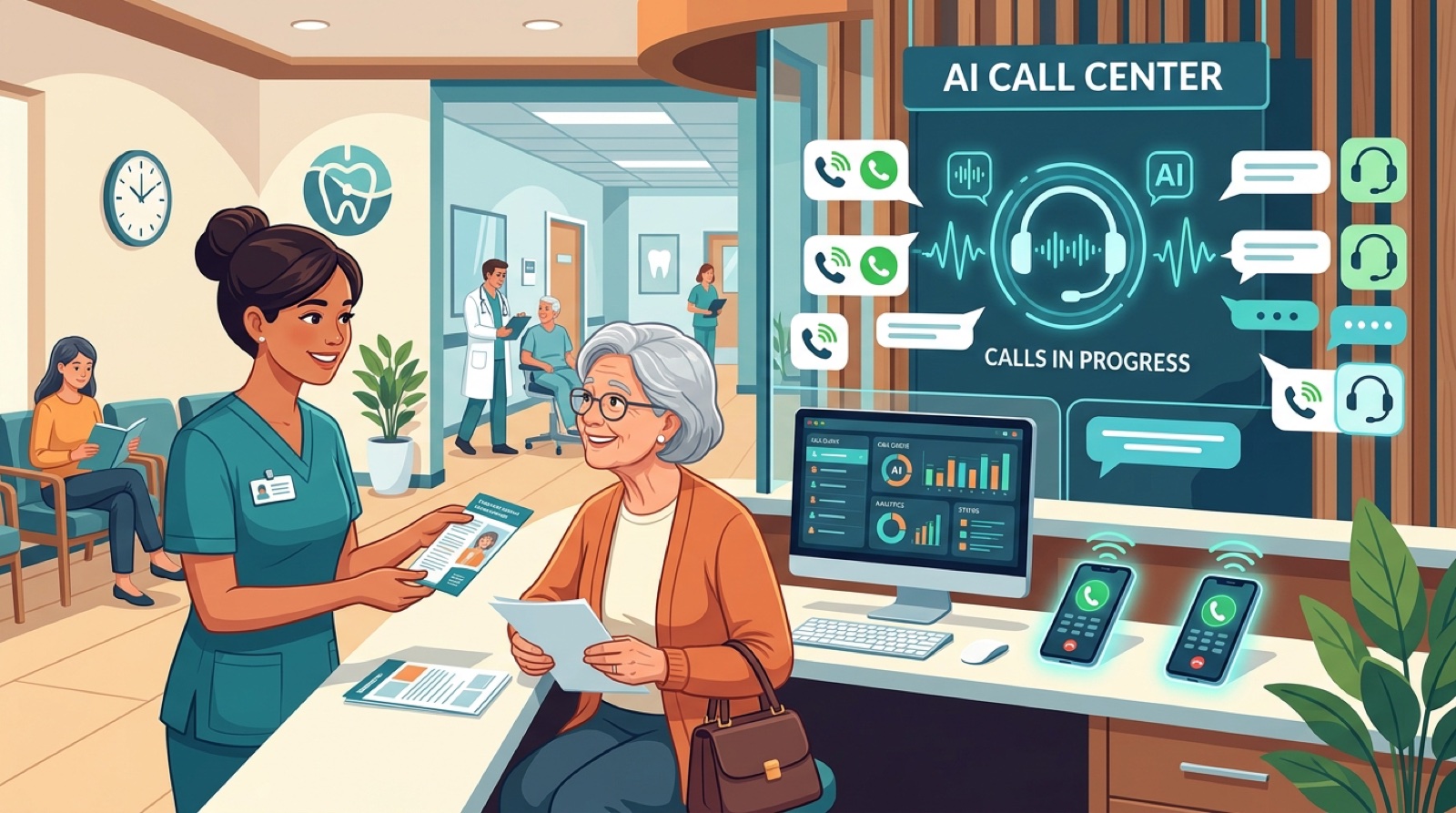
Good agencies own outcomes. They commit to specific hours saved or revenue lift and measure against them.
Good agencies have specific platform expertise. They are deep on a small number of tools and shallow on the rest.
Good agencies own maintenance. They take responsibility for keeping automations alive long after the build phase.
Good agencies close the loop with the call layer. They wire in an AI voice agent because they know that is where service businesses leak.
Good agencies bill weekly results, not weekly hours. They show what shipped, what moved, and what is next.
For the strategy view read AI marketing strategies and AI for marketers.

Chart: ai automation agency engagement timeline
Realistic engagement timeline for an AI automation agency. First automations ship in 2 to 4 weeks, full programs in 90 days.
Frequently asked questions
What is the difference between an AI automation agency and an AI marketing agency?
The marketing agency focuses on campaigns, content, ads, and email. The automation agency focuses on workflow plumbing across every department. Some agencies do both. Most specialize.
How much does an AI automation agency cost?
Project based $3K to $25K per project. Boutique retainer $5K to $15K per month. Mid market retainer $15K to $50K per month. Enterprise $50K plus per month.
How long until I see results?
First automations ship in 2 to 4 weeks. Full programs deliver measurable lift in 60 to 90 days.
What is the ROI of hiring an AI automation agency?
Median 10 to 30x return on agency cost when the engagement targets the right workflows. The biggest variable is workflow selection.
Can I build the automations myself?
Yes if you have the time, tools, and patience to learn 5 to 10 platforms. No if you need results in 90 days. Most businesses save more by hiring than by building.
Do I need an automation agency if I already have an in house developer?
Maybe. A developer can build any single automation. An agency brings cross domain pattern matching, vendor relationships, and faster shipping. The right answer depends on volume and complexity.
What platforms should an AI automation agency know?
At minimum Zapier, Make, n8n, HubSpot, Klaviyo, OpenAI, and one CDP. Bonus points for Salesforce, Marketo, Customer.io, and Cloudflare Workers.
What about the call channel?
The voice channel is the biggest gap in most automation engagements. Wire your stack into CallSetter AI.
Related reading
- AI marketing pillar guide
- AI marketing agency
- AI marketing tools
- Marketing automation tools
- Marketing automation software
- AI marketing automation
- Automated marketing
- AI marketing strategies
- AI SEO complete guide
- AI content production
- AI social media
- Digital marketing agency
Ready to plug in the voice layer? An AI automation agency builds the plumbing. CallSetter AI handles the call layer. Live in 48 hours.
Related Reading