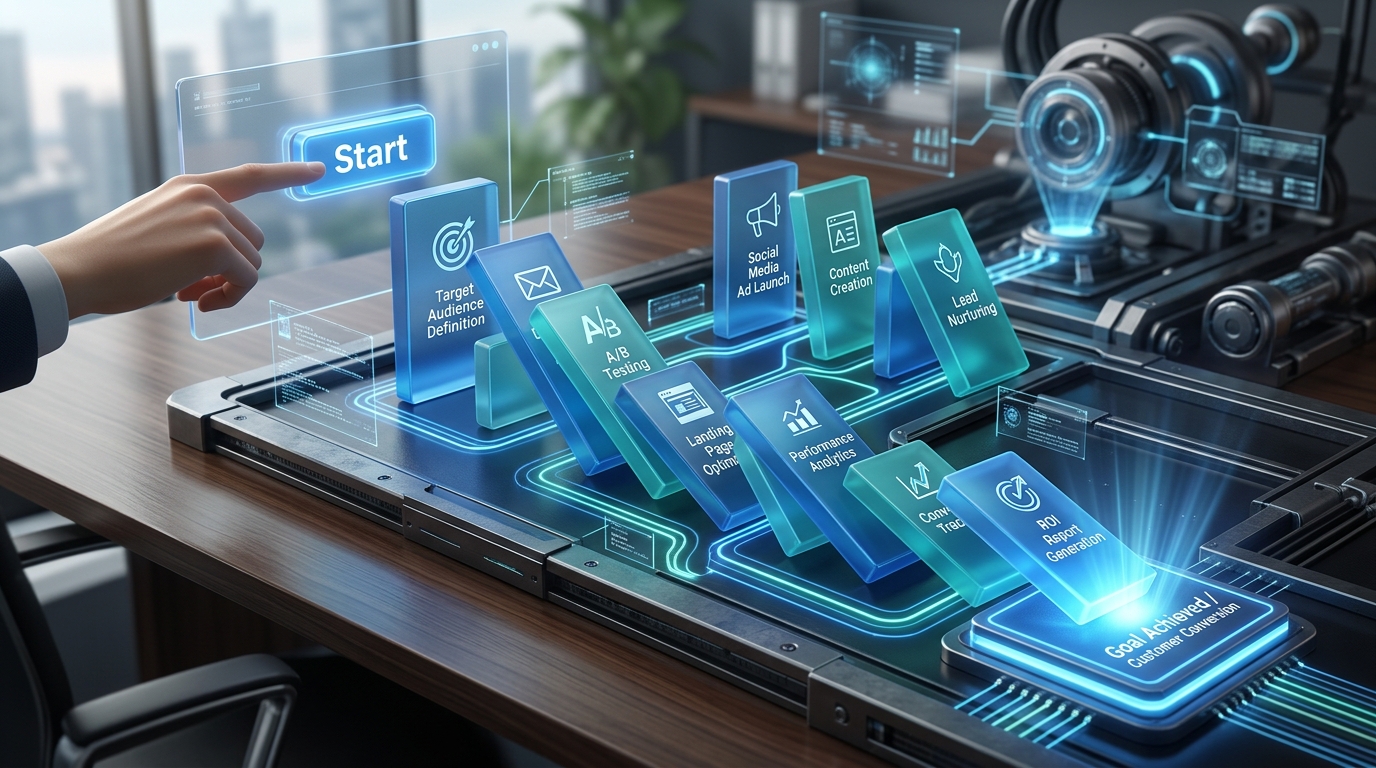
TL;DR Marketing automation in 2026 means AI driven decisioning across email, SMS, push, and ads, glued by event data and tuned by predictive models. The rules based “if this then that” workflows of the 2010s are dead. Modern platforms like HubSpot AI, Klaviyo AI, Marketo, Customer.io, and ActiveCampaign AI ship the new model out of the box. Marketing automation feeds the funnel. CallSetter AI makes sure the inbound calls those campaigns generate get answered, qualified, and booked.

The 2026 marketing automation stack runs on four layers. Data, decisioning, content, distribution. Every modern platform ships all four natively.
Marketing automation is the use of software to plan, deliver, and measure marketing across every channel without a human touching each individual send. The definition has not changed since 2008. Everything underneath the definition has.
The 2010s version was rules based. A form fired a workflow. The workflow sent email one on day zero, email two on day three, and email three on day seven. Every contact got the same sequence regardless of behavior. Personalization meant inserting the first name in the subject line.
The 2026 version is decision based. A model scores every contact on intent, fit, and timing. Another model picks the next best message based on predicted engagement. A third generates copy variants. Send time, channel, and offer are different for every recipient. The marketer sets the goal. The software decides the rest.
The shift is from “if this then that” to “given everything we know about this person, what is the move that maximizes the goal.” That is the entire change.
For the deeper category framing read the AI marketing pillar.
Every working program in 2026 has the same four layers. If any layer is broken, the program fails.
Without unified, fresh, complete contact records, the AI in the next layer has nothing to work with. Garbage in, garbage out is not a cliche. It is the single biggest reason marketing automation programs fail.
The data layer in 2026 lives in either a customer data platform (Segment, RudderStack, Hightouch) or a marketing platform with native CDP capabilities (HubSpot, Klaviyo, Salesforce Data Cloud). It pulls from CRM, website events, product behavior, support tickets, ad platforms, and offline channels and stitches everything to a single record per person. Identity resolution is the hard part. Fresh events under 5 minutes is the standard.
This is where the AI lives. The standard models inside every modern platform.
HubSpot AI, Salesforce Einstein, Adobe Sensei, and Klaviyo AI all ship these out of the box. Customer.io, Iterable, and ActiveCampaign let you bring your own model for specialty cases.
Content is what gets delivered. The 2026 stack uses LLMs to draft and vary copy on demand for each segment or each individual. A human writes the brand voice guide. The model drafts 5 to 50 variants per send. Another model picks the winners. The human reviews top performers and feeds learnings back into the brand guide. For long form pages most teams stack a dedicated AI content tool on top.
Distribution moves the message. Email engine, SMS gateway, push provider, ad platform, on site personalization. In 2026 this layer is mostly commoditized. The differentiator is orchestration. Can the platform pick the right channel at the right time without channels stepping on each other?
The orchestration leaders are Iterable for cross channel B2C, Customer.io for event driven SaaS, Klaviyo for ecommerce, and HubSpot for B2B. Zapier AI, Make.com, and n8n glue the long tail of edge cases.

Data feeds decisioning. Decisioning chooses content. Content flows through distribution. Outcomes feed back into data. This is the loop every modern platform runs.
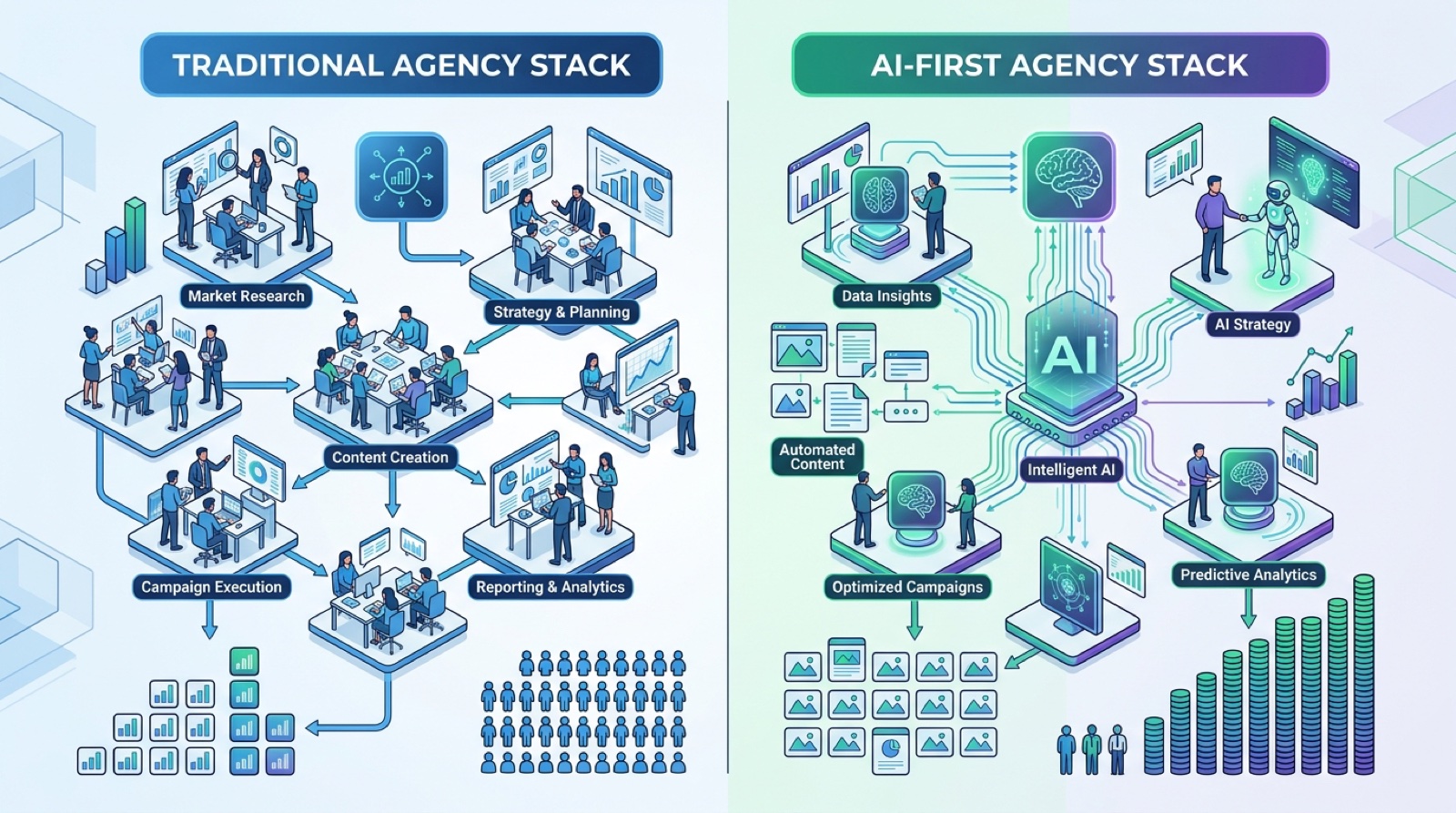
The 2010s workflow was a flowchart of branches with hard coded delays and conditions. The 2026 workflow is a goal with a few constraints, and the model picks the path.
A real example. A B2B SaaS lead fills out a demo form. The 2026 workflow does this.
The marketer never wrote “wait 24 hours then send email two.” The marketer set the goal (book a demo) and the model figured out the rest.
This is why teams that move from rules based to decision based marketing report 2 to 4x lift in conversion rates without changing the offer or the audience. The model is making better decisions than a human could write into a flowchart.
For a deeper look at automation tooling read marketing automation tools and marketing automation software.
The line between marketing automation and AI marketing has disappeared. In 2024 they were two categories. In 2026 they are the same category. Every serious platform sells AI features by default and every serious marketer uses them.
If a vendor pitches “marketing automation” without AI in 2026, they are selling a 2018 product. If a vendor pitches “AI marketing” as something separate from automation, they are selling overlap. Both are signals to walk away.
For the framework that explains the convergence read AI marketing automation.
The platforms that own the modern market.
| Platform | Starting price | Best for | AI features |
|---|---|---|---|
| HubSpot AI | $90/mo | B2B SaaS and service | Predictive scoring, content assistant, AI workflows |
| Klaviyo AI | $45/mo per 1,500 contacts | Ecommerce | Predictive analytics, AI segments, AI subject lines |
| Marketo Engage | $1,250/mo | Mid market and enterprise B2B | Predictive content, account intelligence |
| Customer.io | $100/mo | Product led SaaS | Visual workflow AI, AI copy, AI segments |
| Iterable | Custom from $1,500/mo | Cross channel B2C at scale | AI Brain, send time, predictive goals |
| ActiveCampaign AI | $79/mo | SMB sales and marketing | Predictive sending, AI generation, win probability |
| Salesforce Einstein | Bundled with SFMC | Enterprise multi cloud | Einstein Engagement, content selection |
| Mailchimp AI | $20/mo | Small business and starter ecommerce | Subject line helper, send time, content optimizer |
Read the full comparison in AI marketing tools and best AI marketing tools.
Marketing automation fills the funnel. The voice layer answers the calls. The biggest leak in modern marketing is inbound calls that go unanswered because human teams cannot keep up with form volume. CallSetter AI is the AI voice agent that picks up every call within one ring, qualifies the lead, and books the appointment.
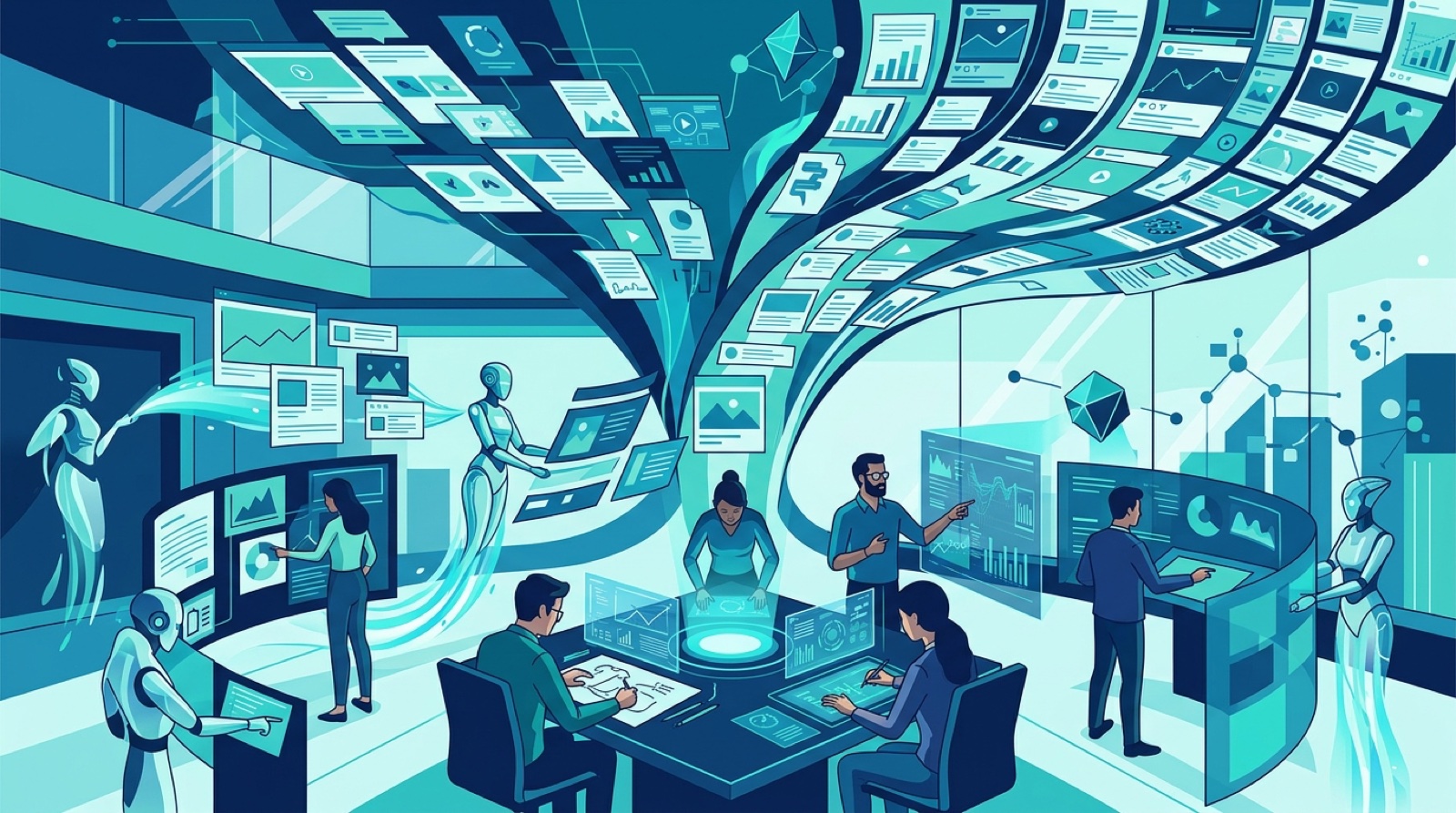
The first 30 days of any new marketing automation program should focus on the 3 highest leverage workflows. These are the workflows that produce the most measurable lift with the least integration work.
Welcome series. Triggered by signup. 3 to 5 emails over 7 to 14 days. The model picks send time and content variants per recipient. Lifts list engagement 30 to 50 percent versus a static welcome.
Lead nurture. Triggered by content download or demo request. The model decides next best message based on behavior. Lifts MQL to SQL conversion 20 to 35 percent.
Cart and browse abandonment. Triggered by ecommerce events. The model picks recovery offer and timing per user. Recovers 8 to 15 percent of lost carts.
After those three are running, layer in re engagement, post purchase, win back, and product launch journeys. The mistake teams make is trying to automate everything in week one. Pick three. Ship them. Measure. Iterate.
The same patterns appear in every audit of a failing program.
Skipping the data layer. Buying HubSpot or Klaviyo before fixing data unification means the AI runs against incomplete records and produces garbage. Fix data first.
Personalizing on attributes you do not have. Branching on company size when 70 percent of records are missing it means most contacts hit the default fallback. The AI looks broken when the data is broken.
Ignoring the call layer. Marketing fills the funnel. Calls go unanswered. The leads cool. The program looks like a failure when the failure is downstream of marketing.
Optimizing for the wrong metric. Open rate is not revenue. Click rate is not revenue. Lead count is not revenue. Set goals that ladder up to actual money.
Setting it and forgetting it. Models drift. Audiences change. Offers age out. Budget for ongoing optimization or expect the program to stagnate within 6 months.
For the strategy view see AI marketing strategies and AI for marketers.
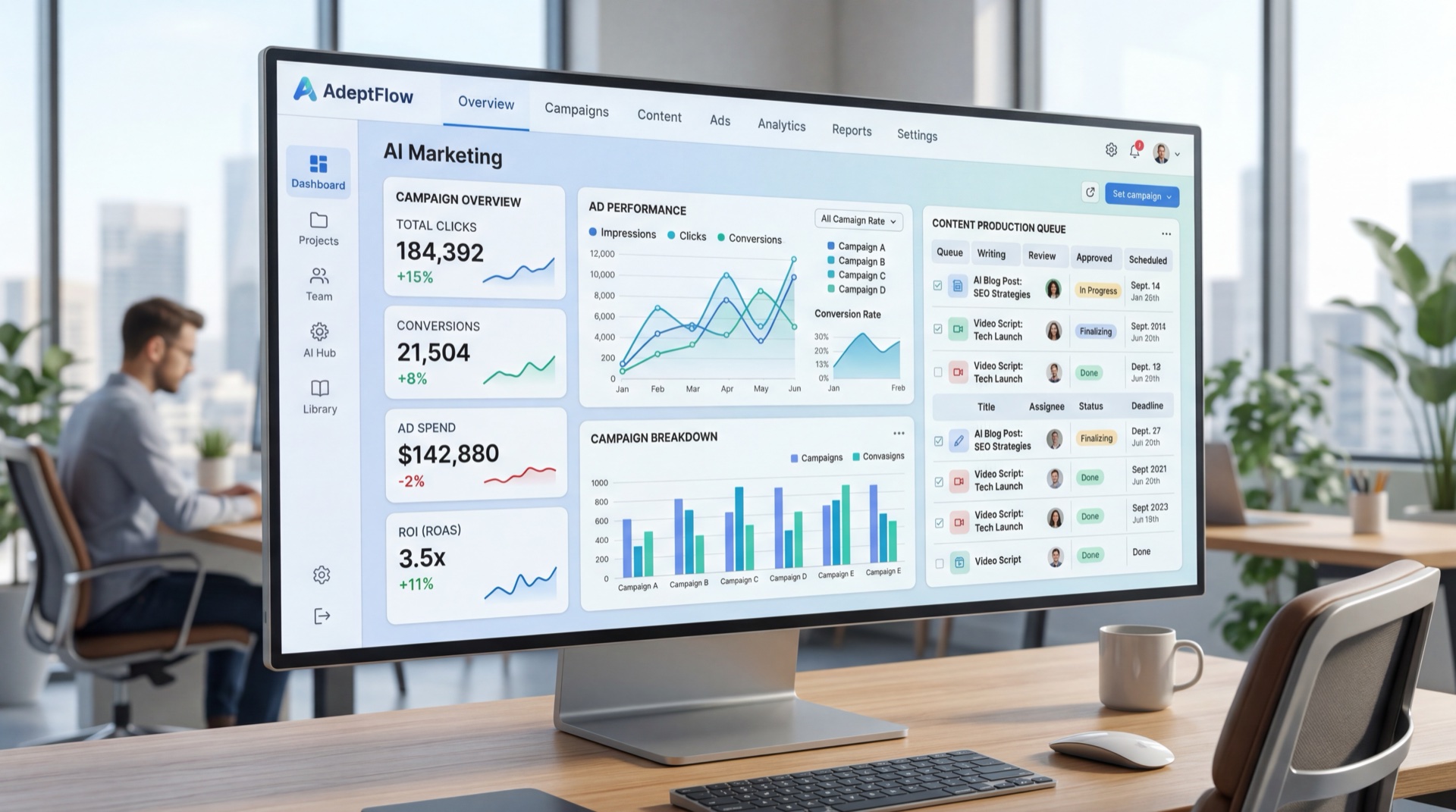
Real ROI from deployments measured in 2025 and 2026. The lift is real but only when data and call layers are fixed in parallel.
What is the difference between marketing automation and email marketing?
Email marketing is one channel. Marketing automation orchestrates email plus SMS, push, ads, and web personalization across one customer journey. Email marketing is a feature of marketing automation, not a substitute.
Do I need a developer to set up marketing automation?
No. Modern platforms like HubSpot, Klaviyo, and ActiveCampaign are built for marketers. A developer helps with custom integrations and edge cases but is not required for the first 90 days.
What is the cheapest way to start with marketing automation?
Mailchimp at $20 per month or Brevo at $25 per month for the smallest businesses. Klaviyo at $45 per month for ecommerce. ConvertKit at $29 per month for creators. All four ship core AI features at the entry tier.
How long does marketing automation take to set up?
Realistically 4 to 12 weeks from zero to a working program. Most teams expect 2 weeks. Most 2 week attempts ship something that does not work because the data layer was skipped.
Can marketing automation replace my marketing team?
No. It replaces the manual execution work and frees the team for strategy, brand voice, creative direction, and analysis. Teams that try to remove humans entirely produce worse results than teams that pair humans with automation.
What is the ROI of marketing automation?
The median we measure is 5 to 15x return on platform cost within 90 days when data is clean. Add a voice agent for inbound calls and the multiplier doubles. See AI marketing ROI.
Is marketing automation the same as AI marketing in 2026?
Yes. The two categories merged. Every serious platform ships AI features by default.
What about the call channel?
This is the gap in every marketing automation tool. Email, SMS, push, and ads are native. Inbound calls are not. The fix is to wire your automation tool into a dedicated AI voice agent like CallSetter AI.
Ready to plug in the voice layer? Marketing automation fills the funnel. CallSetter AI handles the inbound calls those campaigns generate. Live in 48 hours.
Talk with one of our SEO specialists today and see how we can supercharge your marketing campaigns!