TL;DR. Auto repair shops in 2026 lose 30 to 45 percent of inbound calls because the front desk is on another call, in the bay, or off the clock. The fix is an AI voice agent that books appointments 24/7, captures vehicle info, and writes directly to the shop management software. Most service businesses get more ROI from one well built AI voice agent than from any other AI investment. CallSetter AI.
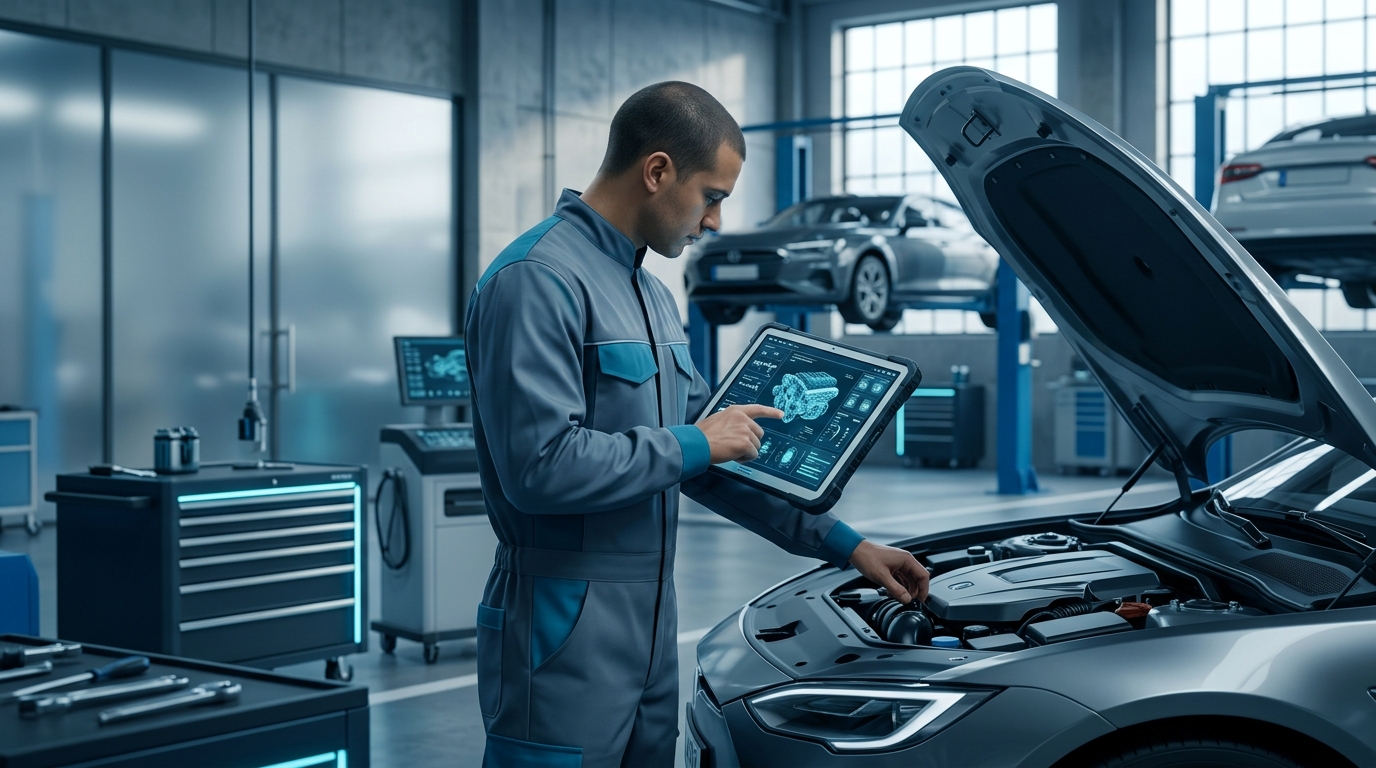
A 2026 auto repair shop. AI voice agent answers every call, captures vehicle info, books appointments, and writes directly to Mitchell, ShopWare, or Tekmetric.
By Victor Smushkevich, CEO of Tested Media
The auto repair industry has consolidated heavily over the last five years. Independent shops compete with national chains like Christian Brothers, Midas, and Take 5. The biggest difference between a thriving independent shop and one that is barely surviving is how many inbound calls they actually answer. The average independent auto shop answers 55 to 65 percent of inbound calls during business hours and almost zero after 5 PM or on weekends.
For a shop doing 80 inbound calls a week, recovering even 30 percent of missed calls at a 35 percent close rate adds 8 to 9 new repair orders a week. At $400 average ticket, that is $130,000 to $150,000 a year in recovered revenue. The fix is not more service writers. The fix is AI that picks up at 7 PM on a Thursday when the customer just got off work and noticed the brakes were grinding. See the broader AI for small business playbook for the full automation stack.
These are the use cases producing real ROI in auto repair shops through April 2026.
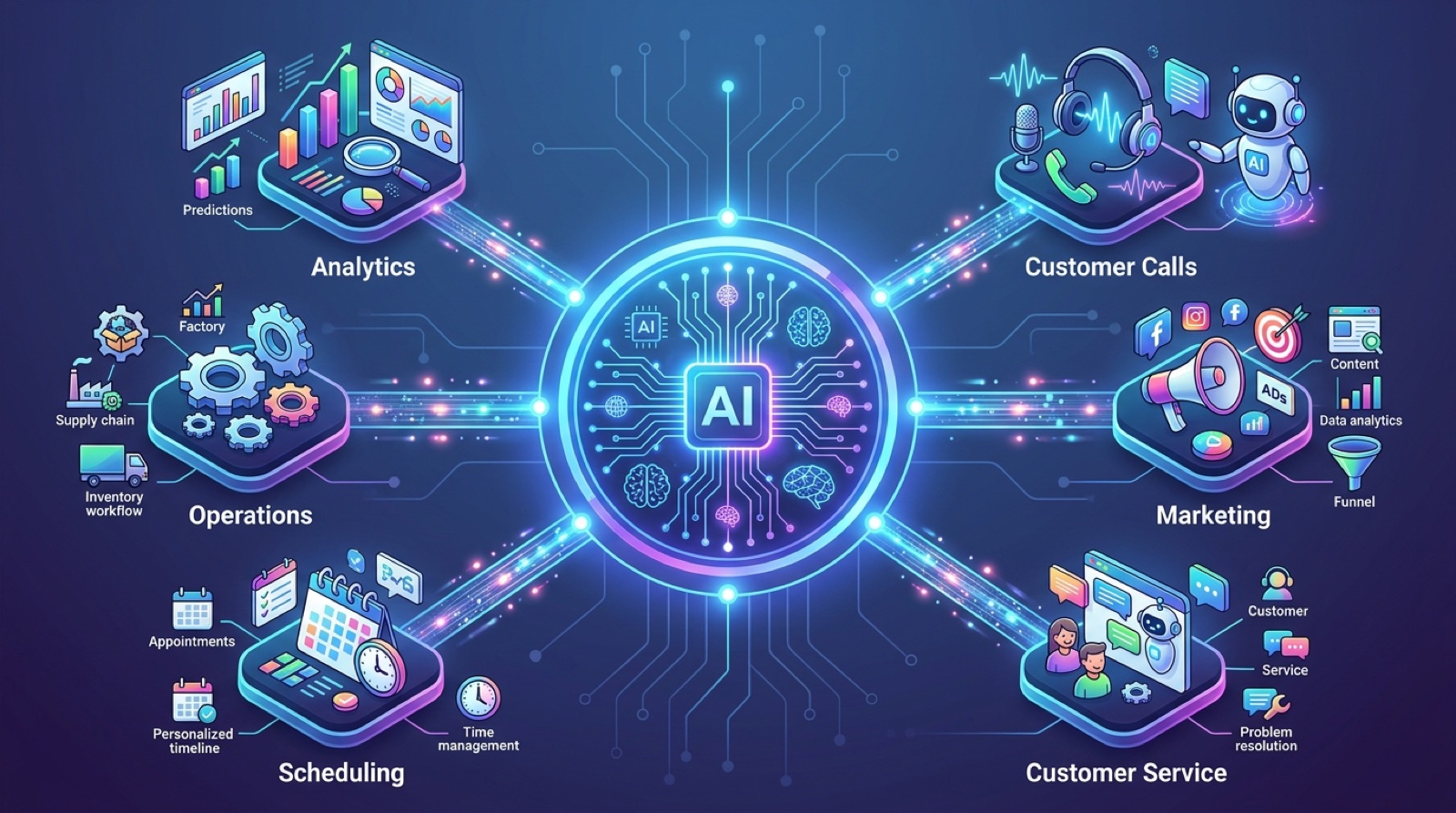
The killer use case. A modern AI voice agent answers every call, captures year, make, model, mileage, and the symptom, books an appointment, and writes directly to Mitchell, ShopWare, Tekmetric, or AutoVitals. Most shops see a 30 to 50 percent lift in booked repair orders within 30 days.
Customers often delay approving repairs after the diagnostic. AI calling and texting follows up on outstanding estimates, answers basic questions, and books the repair. Most shops recover 25 to 40 percent of outstanding estimates that would have otherwise gone cold.
Most shops have hundreds of customers who came in once and never came back. AI calling and texting reactivates 8 to 15 percent of inactive customers on the first pass. For a shop with 1,500 inactive customers, that is 120 to 225 reactivated customers in 60 days. At $400 average ticket, that is $48,000 to $90,000 of recovered revenue.
Mitchell ProDemand, AllData, and Identifix have all integrated AI in 2026 for diagnostic suggestions, tech tip retrieval, and labor time lookups. Techs find the right diagnostic path 30 to 50 percent faster.
GPT 5.4 and Claude Opus 4.6 produce content for vehicle specific service pages, brand specific repair pages, and seasonal maintenance content. Combined with AI SEO and AI marketing, a shop can dominate the local map pack for terms like “brake repair near me” or “Honda transmission service.”

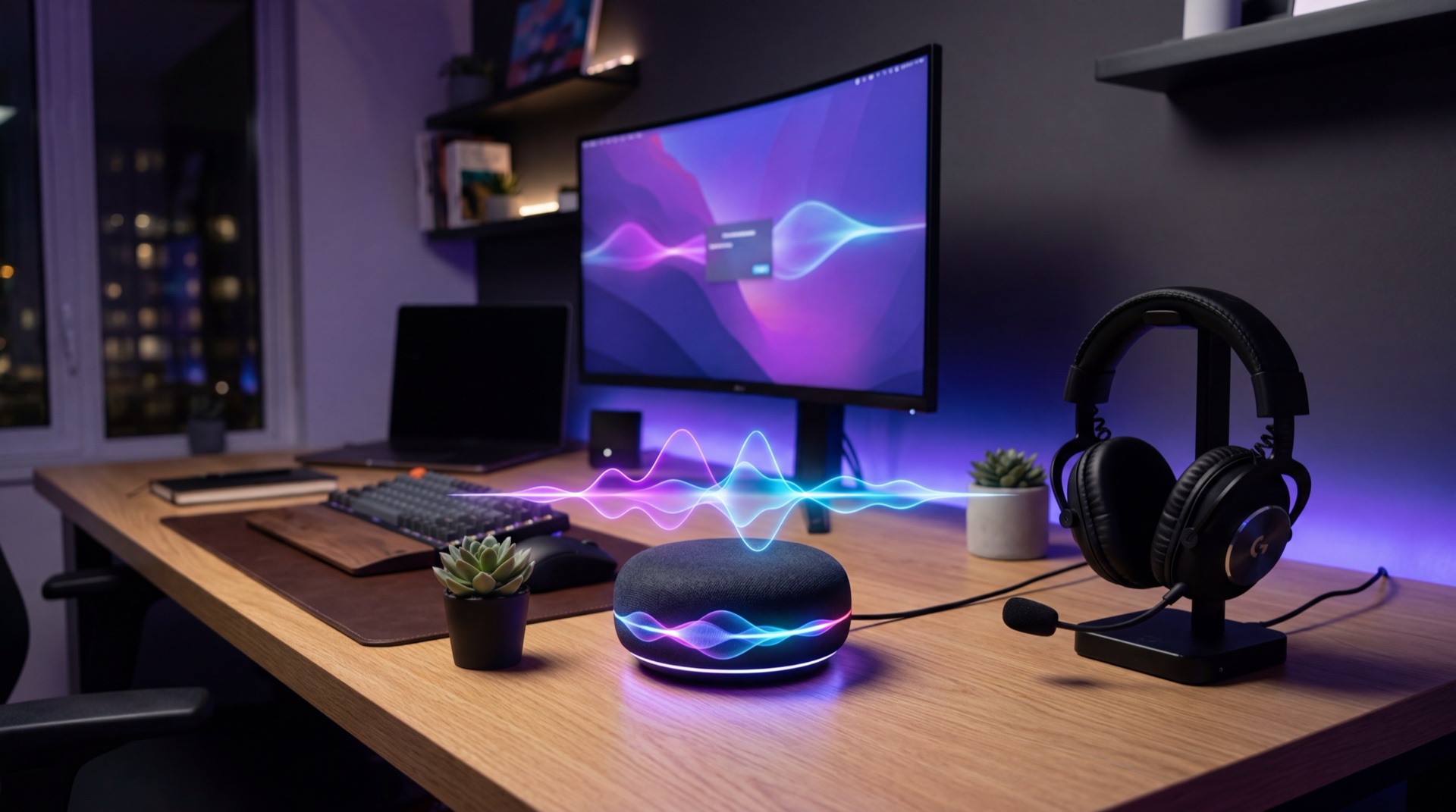
The auto repair call flow that captures the appointments most shops currently lose to voicemail at 6 PM on a Friday.

Of all the auto repair AI tools, the voice agent is the one that pays for itself in week one.
A new auto repair customer is worth $400 per repair on average and comes back for service 2 to 4 times a year, for a lifetime value of $2,000 to $4,000. If your shop answers 6 out of 10 calls and 35 percent of inbound calls become booked repair orders, you are leaving 24 percent of new revenue on the table from missed calls alone. At 80 calls a week inbound, that is roughly 8 to 10 lost lifetime customers a month worth $130,000 to $400,000 in lifetime revenue.
A voice agent that picks up all 80 calls captures every miss. Most shops see a 30 to 50 percent lift in booked repair orders within 30 days. See AI receptionist and missed call text back.
Want an AI voice agent for your auto repair shop in 48 hours? CallSetter AI builds auto repair specific voice agents with vehicle capture, diagnostic intake, and shop management integration. Live by Friday.
After 8+ auto repair deployments since early 2025, here is the stack that produces the most ROI.
Phone and intake. Custom AI voice agent on Retell or Vapi for inbound calls. Add speed to lead for form fill callback.
Shop management. Mitchell, ShopWare, Tekmetric, AutoVitals, or NAPA TRACS. The voice agent must write directly to the schedule.
Diagnostic AI. Mitchell ProDemand, AllData, or Identifix.
Marketing and content. AI content generation for service pages, AI customer service chatbot for the website.
Reviews. Birdeye, Podium, or Weave for review collection.
Auto repair has fewer compliance hurdles than healthcare or financial services, but a few items matter.
State motor vehicle repair laws. Most states have specific rules about written estimates, customer authorization for repairs, and used parts disclosure. The AI voice agent should not commit to repairs over a certain dollar amount without human authorization and a signed work order.
TCPA. Outbound AI calling requires prior express written consent. Existing customers on file generally meet the prior business relationship exception, but capture explicit consent at intake.
Magnuson Moss Warranty Act. AI cannot make warranty claims or representations on behalf of the shop without authorization.
Recording disclosure. Two party consent states require recording disclosure on calls. The voice agent opening line should handle this.
Smog and emissions certification. In states like California, smog stations are heavily regulated. The AI voice agent cannot promise pass results or commit to anything that would violate Bureau of Automotive Repair rules.

These are median results across auto repair shops we have benchmarked through April 2026.
Inbound call answer rate. 60 percent before AI to 99 percent after.
Booked repair order rate on inbound calls. 32 percent before AI to 49 percent after.
Outstanding estimate recovery. 22 percent before AI to 41 percent after.
Inactive customer reactivation. 11 percent reactivated on first pass.
All in cost. $500 to $1,200 a month for the full stack.
Net lift on monthly revenue. $14,000 to $32,000 for a single location auto shop. ROI inside 30 days.
Stage the rollout to keep the service writers from getting overwhelmed.
Week 1. Deploy the AI voice agent on the main shop line. Start with after hours and overflow only. Listen to recordings daily and tune the script.
Weeks 2 to 4. Expand to 24/7 coverage. Layer in Mitchell or Tekmetric integration so the voice agent writes directly to the schedule. Add estimate follow up.
Month 2. Launch the inactive customer reactivation campaign on past 12 months of customers. Run in batches of 200 to keep the service writers from getting overwhelmed.
Month 3+. Add AI generated content for service pages. Roll out automated review collection. Expand to a website chatbot.
By day 90 the shop is booking 30 to 50 percent more repair orders per month with no additional service writer headcount.
Median auto repair results from 8+ deployments through April 2026. Voice agent and estimate follow up together usually pay for the entire stack in week one.
Routing AI calls to a Google Sheet that the service writer has to manually enter into Mitchell. Kills the ROI.
Letting the AI quote specific repair prices without diagnostic. The script must capture symptoms and book a diagnostic, not quote based on guess work.
Not training the AI on the shop’s specific brands or specialties. A Euro shop and a domestic shop have very different call patterns. Tune the script.
Trying to deploy voice agent, estimate follow up, and reactivation all in week one. Stage the rollout.
Letting AI commit to warranty work without authorization.

Will the AI voice agent quote pricing on the call?
For standard services like oil changes and tire rotations with fixed pricing, yes. Diagnostic and repair work should book a diagnostic first.
Can it book in Mitchell or Tekmetric?
Yes if the vendor supports your shop management software. CallSetter AI integrates with the major auto repair platforms.
What about emergency or breakdown calls?
The AI screens for urgency and can book a same day diagnostic if the bay schedule allows. Tow ins get escalated.
How does it handle EV vehicles?
The script can be configured to capture EV specific info and only book customers whose vehicles the shop is certified to service.
How long does deployment take?
DIY takes 4 to 6 weeks. With a specialized agency like CallSetter AI, 48 hours.
What does it cost?
$500 to $1,200 a month all in. Most shops net $14,000 to $32,000 a month in additional revenue.
Will customers hate talking to AI?
Modern voice agents are nearly indistinguishable from human voices. Customer satisfaction is higher than the previous voicemail experience.
Does this work for specialty shops like transmission or collision?
Yes. The script is tuned per specialty. Transmission shops handle different intake than collision or general repair.
Ready to deploy? CallSetter AI. Integrated with your shop management software, live by Friday.
This guide was researched and written by Victor Smushkevich, CEO of Tested Media. Last review: April 2026. Updated quarterly with the latest tools, pricing, and benchmark data from active auto repair client deployments.
Talk with one of our SEO specialists today and see how we can supercharge your marketing campaigns!