TL;DR. Insurance agents in 2026 are using AI to solve four problems: speed to lead, quote turnaround, renewal retention, and claim intake. The single highest leverage move is an AI voice agent that calls every web lead within 60 seconds, qualifies on coverage type and urgency, and books a quote call with the licensed agent. Most service businesses get more ROI from one well built AI voice agent than from any other AI investment. CallSetter AI.
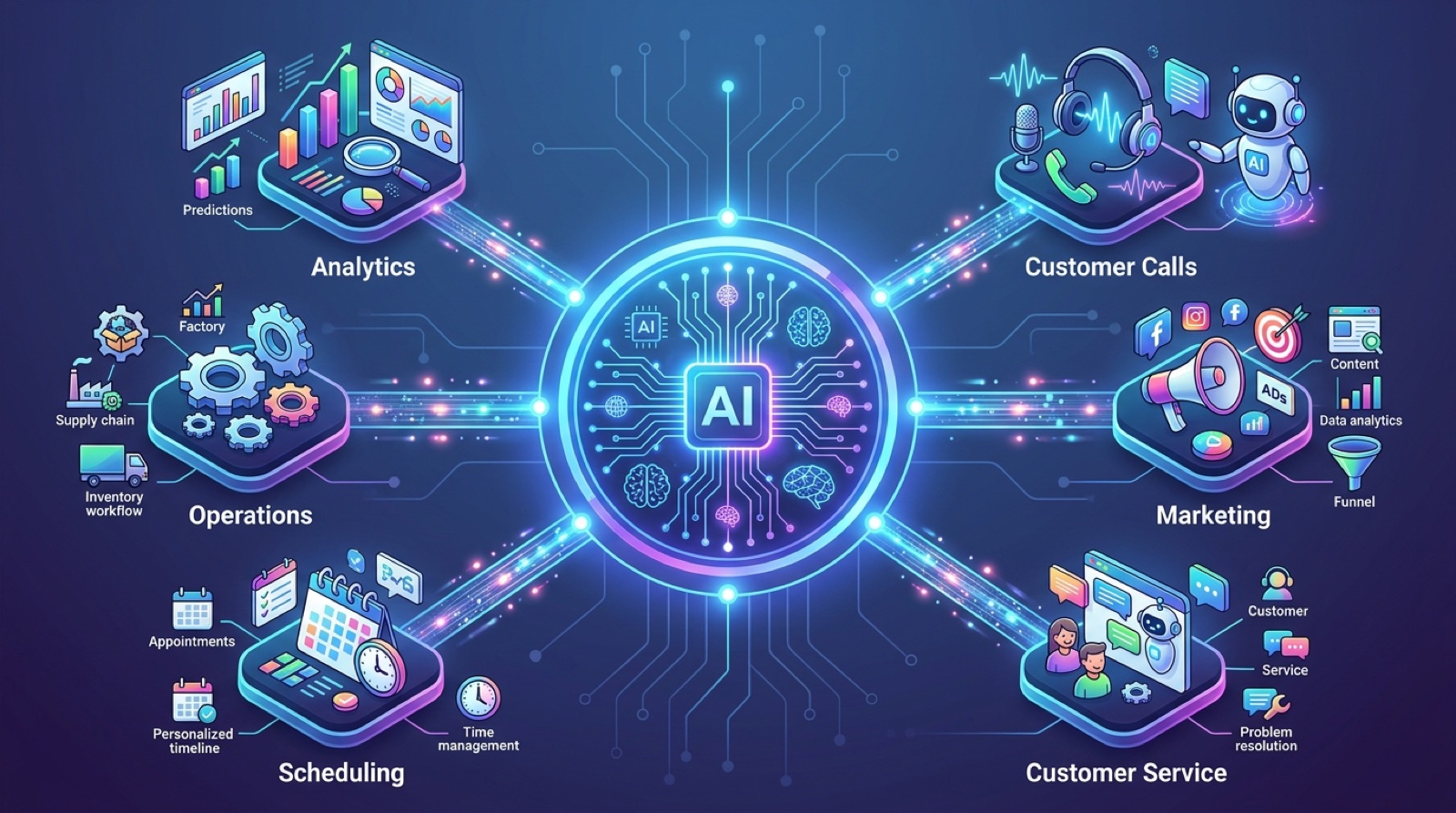
A modern insurance agency operating with AI speed to lead. Every web inquiry gets a call inside 60 seconds.
By Victor Smushkevich, CEO of Tested Media
Insurance agents face one of the worst lead economics in any industry. The average cost per shared web lead from sites like NetQuote, QuoteWizard, or Insurance.com is $7 to $25 depending on line of business. Agents typically buy 200 to 500 leads a month. Conversion rates are dismal. The industry average from a shared web lead to a bound policy is roughly 4 percent. So agents spend $1,400 to $12,500 a month on leads to bind a handful of policies.
The reason conversion is so bad is not the leads. It is the speed of response. Shared leads are sold to 4 to 8 agents simultaneously. Whichever agent calls first gets the deal. Industry data consistently shows that agents who contact leads within 60 seconds bind at 3x the rate of agents who contact in 10 minutes. Almost no agent can do this manually because they are on the phone with another lead, in a quoting session, or having lunch.
The agents winning in 2026 are not the ones with the prettiest websites. They are the ones whose AI voice agent calls every lead in 47 seconds. See the broader AI for small business playbook for the full automation framework.
This is the killer use case. A modern AI voice agent calls every shared lead, web form, or referral within 60 seconds of submission. It introduces itself as “calling from [agency name]” and confirms the lead is interested in the requested coverage. The agent asks the qualifying questions (current carrier, expiration date, claim history, household drivers), captures the answers, and either schedules a quote call with a licensed agent or transfers live if the prospect is hot.
For an agency buying 300 leads a month at $15 each ($4,500 spend), tripling the bind rate from 4 percent to 12 percent on the same lead spend is the difference between 12 binds a month and 36 binds. At $1,200 average annual premium and 12 percent commission, that is an extra $34,560 in annual commission from one $500 a month tool. See speed to lead for the full conversion math.
Most quoted prospects do not bind on the first call. They need 3 to 7 follow ups over 2 to 4 weeks before they make a decision. AI driven follow up sequences read replies, pick the right next message, and only escalate to the agent when the prospect is ready to bind. See AI lead follow up for the framework.
90 days before renewal, AI outbound calling and texting reminds policyholders to review their policy, asks if anything has changed, and either confirms renewal or routes to the agent for re shopping. This single workflow recovers 12 to 18 percent of policies that would otherwise lapse to a competitor.
When a policyholder calls to file a claim, an AI voice agent captures the FNOL (first notice of loss) details, identifies the policy, gathers all required information, and routes to the carrier’s claim system. The policyholder gets immediate help instead of waiting for a callback.
GPT 5.4 and Claude Opus 4.6 produce blog content, coverage explainers, and FAQ pages for the agency website. Combined with AI SEO, small agencies can rank for high intent local searches like “auto insurance [city]” or “home insurance quotes [state].”

The 60 second response time is what triples bind rates on shared leads.
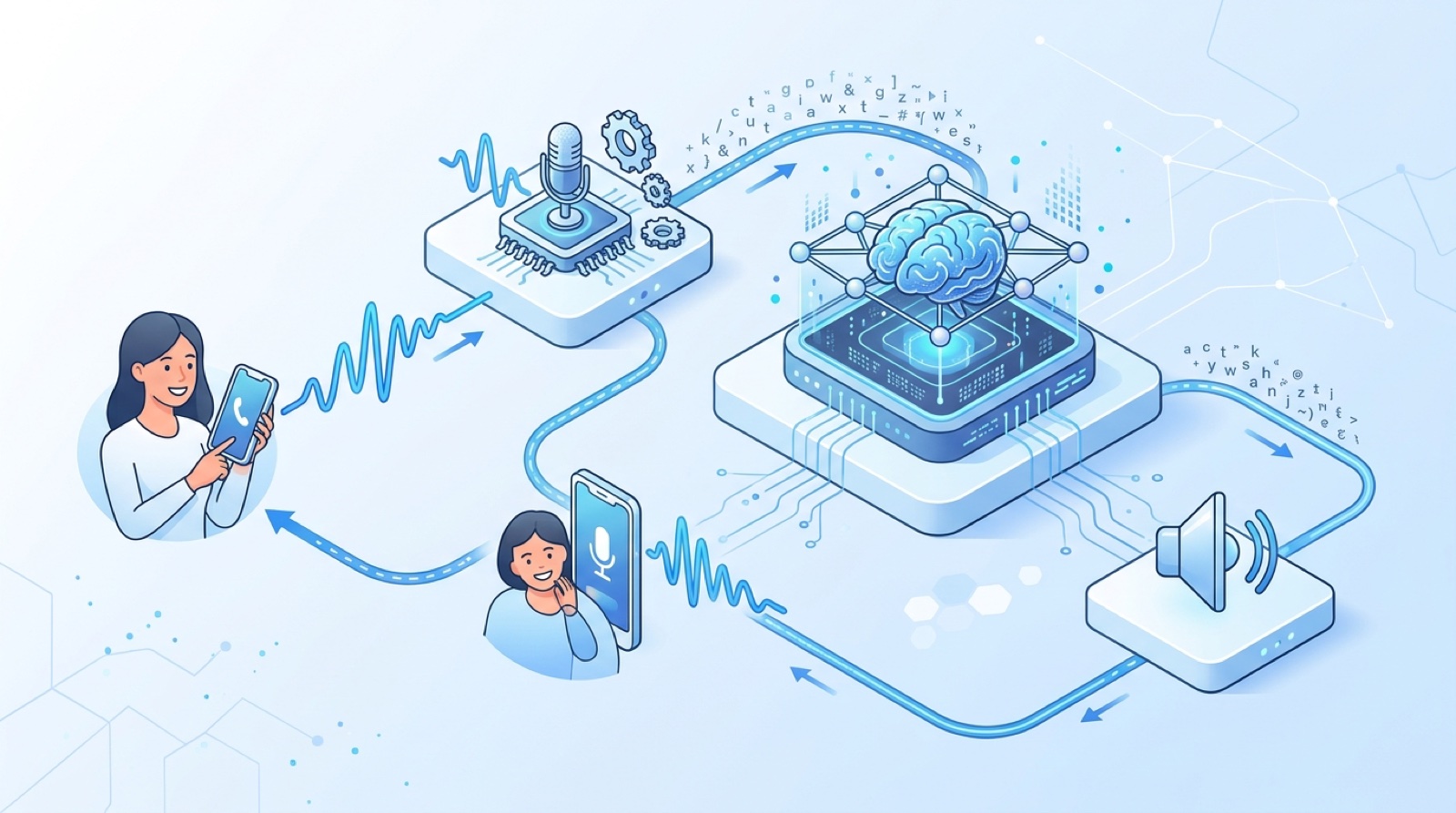
After 25+ insurance agency deployments, this is the stack with the highest ROI.
Phone and lead response. A custom AI voice agent on Retell or Vapi handling inbound and outbound. Pair with AI receptionist for after hours coverage.
AMS integration. AMS360, Applied Epic, EZLynx, HawkSoft, or QQ Catalyst. The AI layer reads from and writes to the AMS for lead status, policy data, and activity logging.
Speed to lead. Built into the voice agent setup. Triggered by webhooks from lead vendors and the agency website.
Renewal automation. AI appointment setter running outbound retention campaigns 90 days before renewal.
Customer service. AI customer service chat on the agency website for policy questions, certificates, and coverage explanations.
Content and marketing. AI content generation for blog and coverage pages.
Want this stack live for your agency in 48 hours? CallSetter AI builds AI voice agents specifically for insurance agencies. We integrate with AMS360, Applied Epic, EZLynx, and HawkSoft out of the box.
This part matters. Insurance is heavily regulated and AI calling adds a new compliance layer.
TCPA. Outbound AI calls to consumer phones generally require prior express written consent. If the consumer submitted a web form requesting a quote, you usually have express consent. If you bought the lead from a vendor, the vendor should have captured consent. Verify this in writing from your lead vendors.
State producer licensing. AI cannot bind a policy or give specific coverage recommendations. The system prompt must explicitly forbid binding, quoting specific premiums, or recommending coverage limits. The AI captures information and routes to a licensed producer.
Recording disclosure. Two party consent states require disclosure that calls are recorded. The AI voice agent should announce this in the opening line.
Do not call (DNC). Outbound AI calls must respect the federal DNC list and your state’s DNC list. Most platforms support DNC scrubbing.
Material misrepresentation. The AI cannot make any statement about coverage that is not 100 percent accurate. Use the system prompt to forbid coverage opinions and require human handoff for any binding decisions.
These are median results across 25+ insurance agencies through April 2026.
Lead first contact time. Dropped from 14 minutes (manual) to 51 seconds (AI voice agent).
Lead to bind rate. Increased from 4.2 percent to 11.5 percent on shared lead sources.
Renewal retention rate. Increased from 79 percent to 91 percent through proactive AI outreach.
Cost per bound policy. Dropped from $410 to $180 on the same lead spend.
Monthly AI investment. $400 to $900 per agency for the full stack.
For a typical 2 to 5 producer agency, the all in AI investment is roughly $700 a month and the measured commission lift is $25,000 to $40,000 a year. ROI is 30x to 50x. This is the highest leverage technology investment most insurance agencies have made in the last decade.

Be honest about the limits. AI cannot bind a policy. AI cannot recommend the right coverage limits for a complex commercial risk. AI cannot handle a difficult coverage dispute on a claim. AI cannot have the relationship conversation with a long term client whose business is changing. Anything that requires real producer judgment, fiduciary advice, or relationship management stays with the licensed agent.
What AI does is everything around those moments. Picking up the phone at 47 seconds. Following up with the quoted prospect for the 4th time. Calling 200 policyholders before renewal. Capturing FNOL details on a Sunday claim. These are the tasks that drain producers and create the bottlenecks that hurt revenue. Hand them to AI.

Renewal retention jumps from 79 percent to 91 percent when AI handles 90 day reach outs.
Stage the rollout to avoid overwhelming producers.
Week 1. Deploy the AI voice agent on shared lead callbacks only. Every new lead from your top vendor triggers an AI call within 60 seconds. Compare bind rate against manual response.
Week 2. Expand AI to inbound call answering during overflow. Any call the front desk cannot answer in 3 rings goes to AI.
Week 3. Launch the renewal retention campaign on policies expiring in the next 60 days.
Week 4. Deploy AI claim intake for after hours FNOL.
By day 30 the agency is operating at 2x to 3x the lead response capacity with the same producer team.
Is AI for insurance compliant with state regulations?
When configured correctly. The AI cannot bind, quote specific premiums, or give coverage recommendations. Those activities require a licensed producer. The AI captures information and routes appropriately.
Will the AI sound like a robot to my prospects?
In 2026, no. Modern voice models sound natural enough that most callers cannot tell on calls under 4 minutes.
Can the AI integrate with my AMS?
Yes. AMS360, Applied Epic, EZLynx, HawkSoft, and QQ Catalyst all have API or integration support. The AI reads and writes in real time.
What about TCPA compliance?
Use platforms with TCPA compliant configurations and verify express consent on every lead source. Most platforms support DNC scrubbing.
Can the AI handle Spanish speaking prospects?
Yes. Most platforms support Spanish and several other languages out of the box.
How long does deployment take?
DIY on Retell or Vapi takes 4 to 8 weeks for an insurance agency because of AMS integration complexity. With a specialized agency, 48 hours.
What does it cost for a small agency?
$400 to $900 a month for the full stack. ROI is typically 20x to 50x within 90 days based on increased bind rates and retention.
Will this replace my CSR or producers?
No. It changes what they do. CSRs spend less time on initial lead response and more time on quote presentation, binding, and client service. Most agencies keep the same headcount and grow premium.
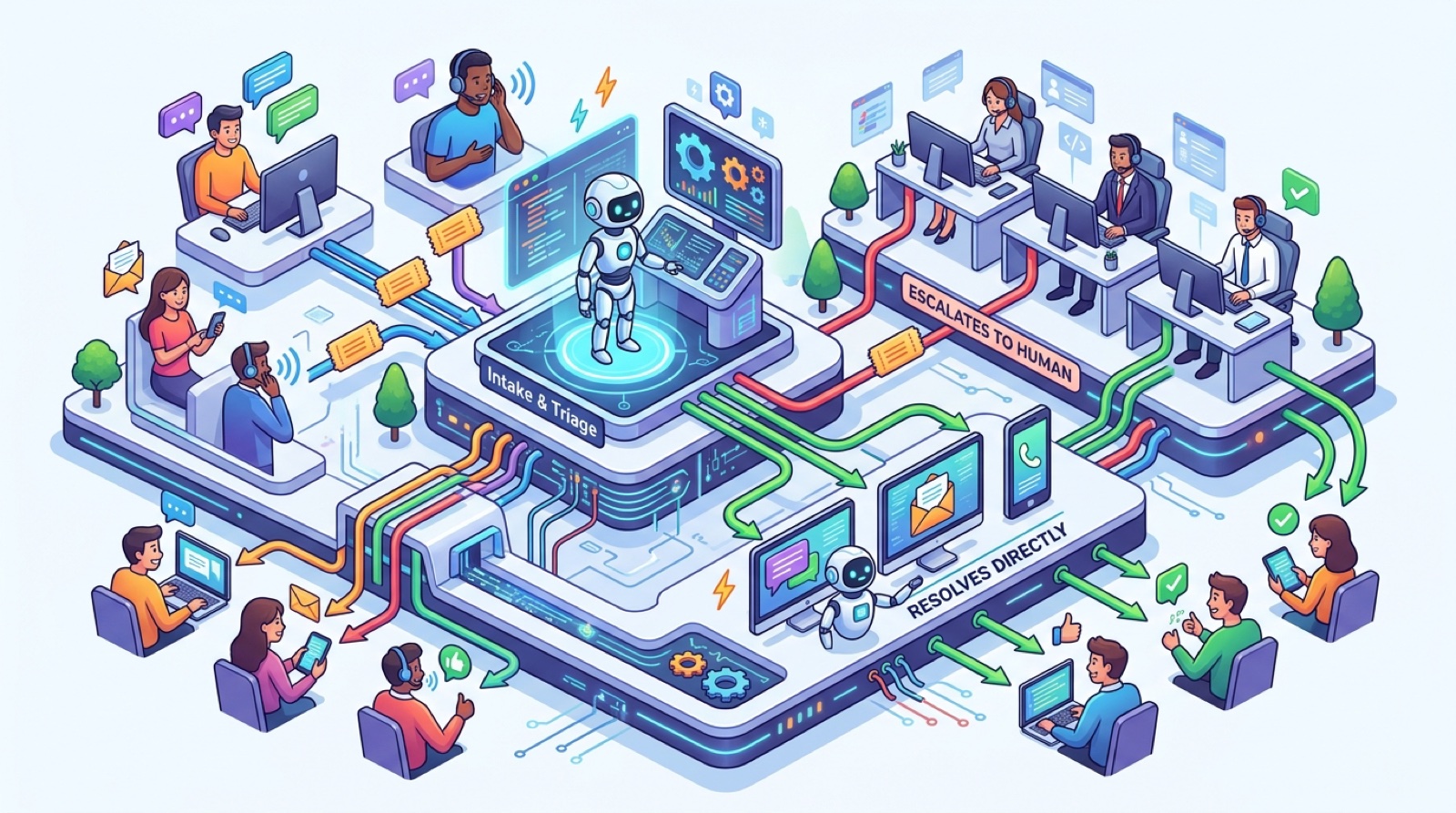
Ready to deploy? CallSetter AI. Integrated with your AMS, TCPA configured, live by Friday.
This guide was researched and written by Victor Smushkevich, CEO of Tested Media. Last review: April 2026. Updated quarterly with the latest tools and benchmark data from active insurance agency deployments. Nothing in this article is legal or compliance advice.
Talk with one of our SEO specialists today and see how we can supercharge your marketing campaigns!