TL;DR. Dental practices in 2026 lose 30 to 40 percent of new patient calls because the front desk is on another line, in the back, or off the clock. The single highest ROI AI move is a voice agent that answers every call 24 hours a day, screens insurance, and books a real appointment in your PMS. Most service businesses get more ROI from one well built AI voice agent than from any other AI investment. CallSetter AI.
See how an AI receptionist for dental offices handles booking and recalls.
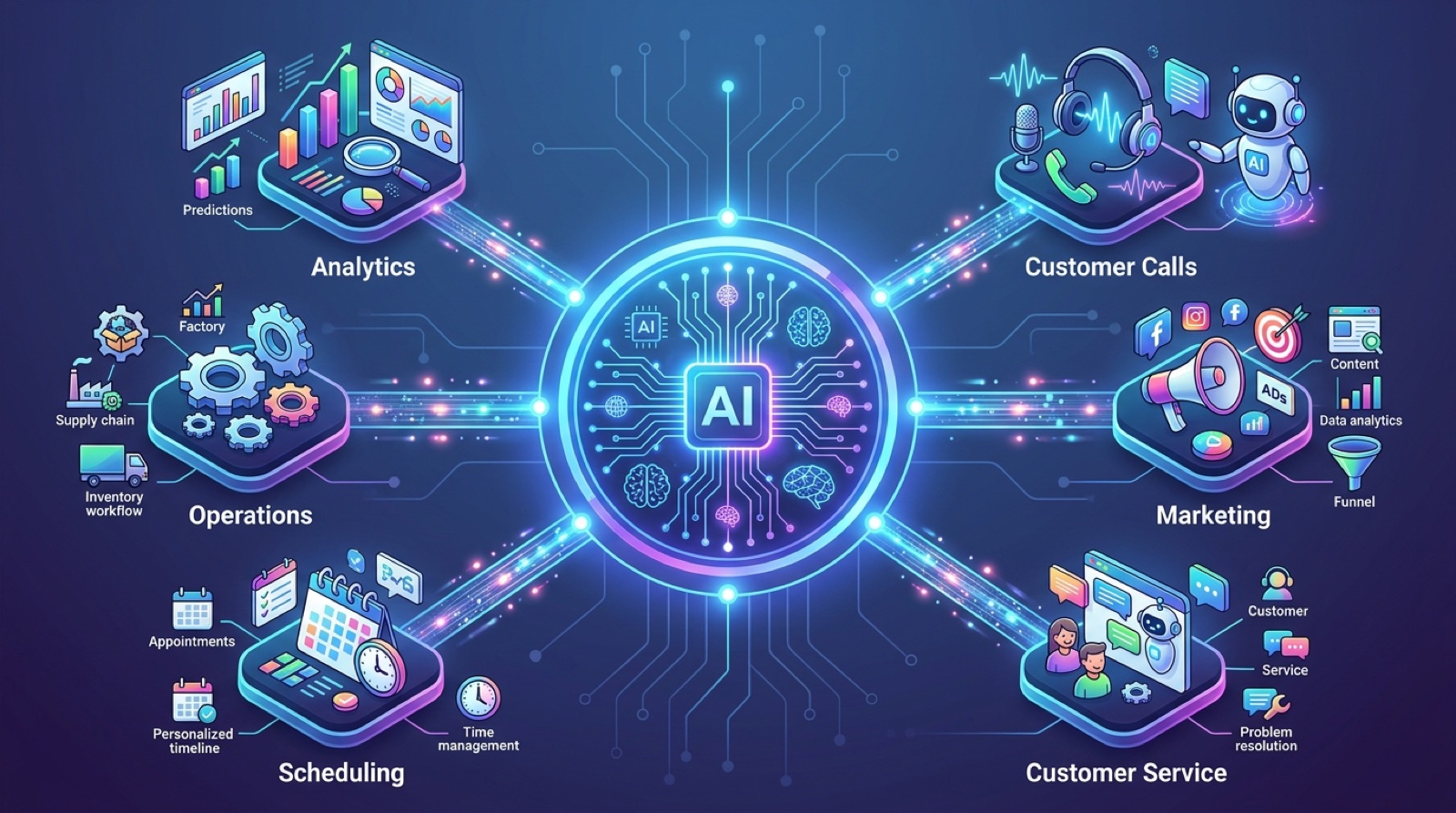
A 2026 dental practice front desk. AI voice agent handles overflow and after hours calls, books in the PMS, and only escalates clinical questions to the team.
By Victor Smushkevich, CEO of Tested Media
Why dental practices need AI in 2026
The math is brutal. The average dental practice spends $250 to $400 to acquire a new patient through Google Ads, Facebook, or referral programs. When that lead finally calls, the front desk has between 15 and 60 seconds to answer before the caller dials the next office. Industry studies show that dental practices answer roughly 60 percent of inbound calls during business hours and almost zero after hours. The other 40 percent become voicemails, and 75 percent of voicemail callers never call back.
For a practice doing 20 new patients a month at $1,800 lifetime value, recovering even half of the missed calls adds $216,000 a year in production. That is one full hygienist plus benefits with money left over. The fix is not more front desk staff. The fix is AI that never goes to lunch. See the broader AI for small business playbook for how this fits into the full automation stack.
The five highest leverage AI use cases for dental practices
These are the use cases producing measurable ROI in real practices we work with through April 2026.
1. AI front desk and overflow call handling
A modern AI voice agent catches overflow during the day and 100 percent of calls after hours. It greets the caller, asks if they are a new or existing patient, captures insurance, screens for emergency, and books a real appointment slot in Dentrix, Eaglesoft, Open Dental, or Curve. This is the core deployment. Everything else is optional.
2. Recall and reactivation campaigns
Most practices have 800 to 2,000 inactive patients who have not been seen in 12 to 24 months. AI calling and texting reactivates 8 to 15 percent of them on the first pass. For a practice with 1,500 inactive patients, that is 120 to 225 reactivated patients in 60 days. At $400 average production per visit, that is $48,000 to $90,000 of recovered revenue.
3. Insurance verification automation
Front desk staff spend 4 to 8 hours a week on hold with insurance carriers. AI tools like Pearl, Vyne Trellis, and Zentist read EOBs, verify benefits, and pre populate the patient ledger. Eight hours a week back to your front desk for actual patient care is one of the easiest wins in the practice.
4. AI treatment planning and clinical imaging
Pearl, Overjet, and VideaHealth use computer vision on bitewings and periapicals to flag caries, calculus, and bone loss the dentist might miss. Insurance carriers in 2026 increasingly require AI overlays for claim acceptance on certain procedures. This is becoming table stakes.
5. Marketing and SEO content
GPT 5.4 and Claude Opus 4.6 produce blog content, treatment pages, and FAQ pages that rank for local dental queries. Combined with proper AI SEO and AI marketing, a single location practice can dominate the local map pack in 90 days.
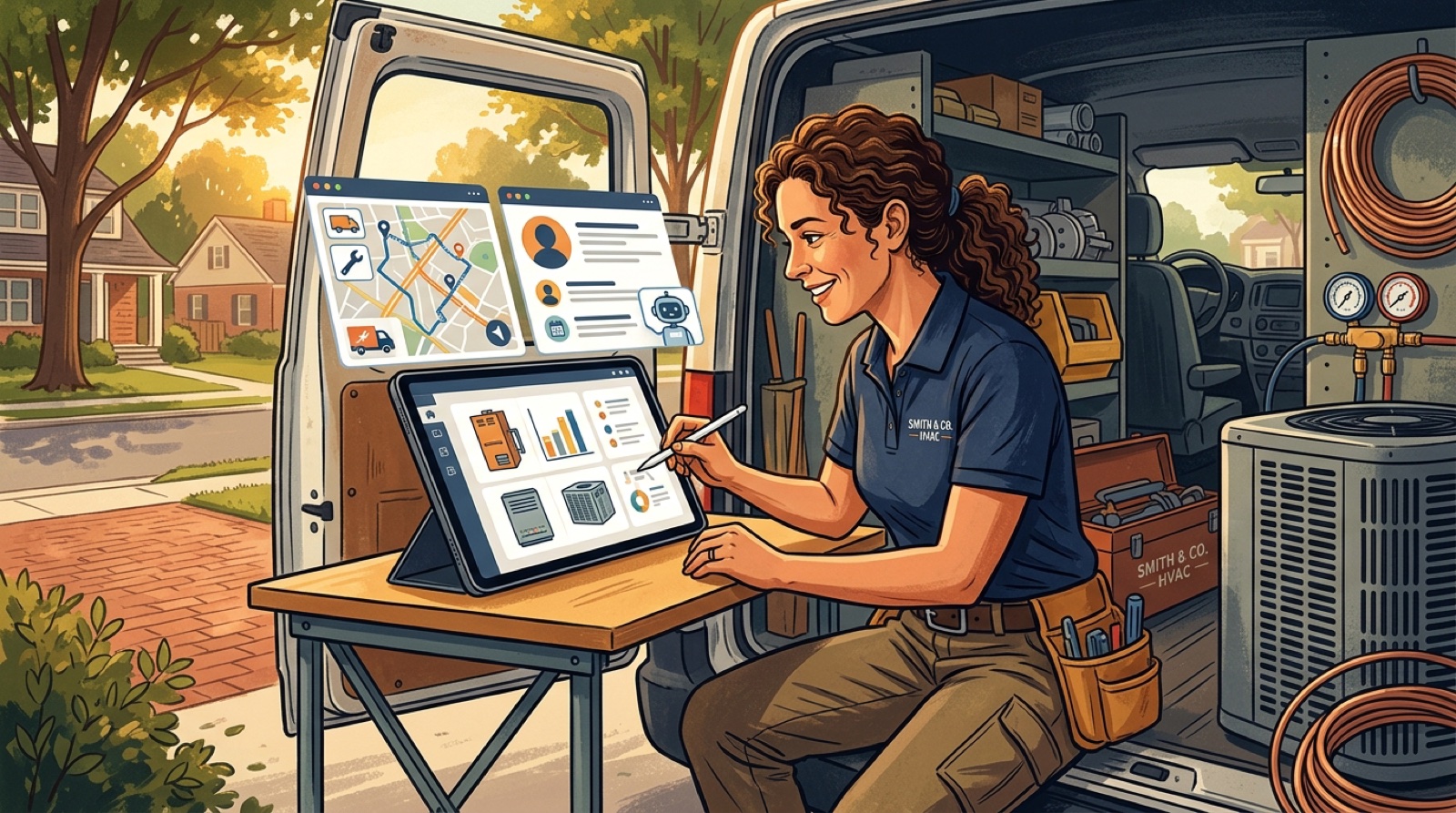
Diagram showing inbound dental call flow through AI voice agent to PMS booking
The call flow that captures the 40 percent of new patient calls most practices currently lose to voicemail.
AI voice agents are the killer use case for dental

Of all the dental AI tools on the market, the voice agent is the one that pays for itself in the first week. Here is why.
A new patient call is worth $1,800 to $2,400 in lifetime production for a typical general practice. If your front desk answers 6 out of 10 calls, you are leaving four lifetime patients on the table per 10 calls. At even 50 calls a month inbound, that is 20 lost lifetime patients a month worth $36,000 to $48,000 in production.
A voice agent that answers all 10 captures every one of those calls, screens for emergency, verifies insurance acceptance, and books the appointment directly. The agent also handles after hours calls, weekend calls, and lunch hour calls that previously went to a generic voicemail. Most practices see a 25 to 40 percent lift in booked new patients within 30 days. See AI receptionist for the full receptionist deployment guide and missed call text back for the SMS recovery layer.
Want a HIPAA capable AI voice agent for your dental practice in 48 hours? CallSetter AI builds dental specific voice agents with PMS integration, insurance verification, and emergency screening. We handle the compliance and the integration.
AI tools to consider for dental
After 20+ dental deployments since early 2025, here is the tool stack that produces the most ROI.
Phone and intake. Custom AI voice agent on Retell or Vapi for inbound calls. Add speed to lead for instant callback on web form fills.
PMS integration. Dentrix, Eaglesoft, Open Dental, or Curve. The voice agent must write directly to the schedule, not just send a fax or email to the front desk.
Recall. NexHealth, Weave, or RevenueWell with AI calling layered on top.
Clinical AI. Pearl Second Opinion, Overjet, or VideaHealth for radiograph review.
Insurance. Vyne Trellis, Zentist, or Pearl for verification and EOB processing.
Marketing and content. AI content generation for treatment pages, AI customer service chatbot on the website, and review automation.
HIPAA, compliance, and the dental specific rules
Dental practices live under HIPAA like any other healthcare provider. There are also a handful of dental specific compliance points worth knowing.
HIPAA and BAAs. Any AI vendor that touches PHI must sign a Business Associate Agreement. This includes the voice agent vendor, the PMS integration provider, and any analytics tool. If a vendor will not sign a BAA, do not use them for clinical or patient identifiable work.
Recording and consent. Most states allow one party consent for recorded calls, but a handful require two party consent. The voice agent opening line should disclose recording in any jurisdiction with two party rules.
State dental board rules. Some state boards have issued opinions on AI use in dental practices, particularly around clinical AI overlays. AI cannot diagnose. The dentist still owns the diagnosis. The AI flags areas of concern.
TCPA. If you are using AI to outbound call patients, you need prior express written consent. Existing patients on file generally meet the prior business relationship exception, but the safer move is to capture explicit consent at intake.
Insurance fraud. Do not let AI auto submit claims without dentist review. Use AI to draft the narrative, not to file the claim.
Real ROI math from 2026 dental deployments

These are the median numbers from dental practices we have benchmarked through April 2026.
New patient call answer rate. 62 percent before AI to 99 percent after.
New patient booking rate. 28 percent of inbound calls before AI to 47 percent after. This includes the recovered overflow and after hours calls that previously went to voicemail.
Recall reactivation. 12 percent of inactive patients reactivated on the first 60 day campaign.
Front desk time saved on insurance verification. 6 hours a week per practice.
All in cost. $500 to $1,200 a month for the voice agent, recall, and verification stack.
Net lift on monthly production. $18,000 to $35,000 for a single doctor practice. ROI inside 30 days.
Implementation playbook for dental practices
Most practices try to do too much at once and burn out. Stage the rollout.
Week 1. Deploy the AI voice agent on the main practice line. Start with after hours and overflow only. Have the front desk listen to recordings daily and tune the script.
Weeks 2 to 4. Expand to 24/7 coverage. Layer in PMS integration so the voice agent books directly into Dentrix or Open Dental. Add insurance verification for new patient slots.
Month 2. Launch the recall reactivation campaign on inactive patients. Run in batches of 200 to keep the front desk from getting overwhelmed by callbacks.
Month 3+. Add clinical AI overlay for radiographs. Roll out AI generated content for the website and Google Business profile. Expand to a chatbot for the website using AI customer service playbook.
By day 90 the practice is operating with 25 to 40 percent more new patient capacity per month with no additional front desk hires.
ROI chart showing new patient booking rate before and after AI voice agent deployment
Median dental practice results across 20+ deployments through April 2026. Voice agent alone usually pays for itself in week one.
Common mistakes dental practices make with AI
These are the failure patterns we see across practices that try to roll their own AI stack.
Skipping the PMS integration and routing AI calls to a Google Sheet that the front desk has to copy into Dentrix manually. This kills the entire ROI because the front desk burden does not actually drop.
Letting the voice agent give clinical advice. The script must explicitly forbid any clinical opinions, treatment estimates, or pain management advice. Capture the issue, screen for emergency, and route to a human.
Not signing a BAA. This is a HIPAA violation waiting to happen. Every vendor that touches PHI signs a BAA, no exceptions.
Trying to deploy everything at once. Voice agent, recall, verification, and clinical AI all in week one is a recipe for staff burnout. Stage the rollout.
Frequently asked questions

Is AI for dental practices HIPAA compliant?
Yes when the vendor signs a BAA and the data flow is configured correctly. CallSetter AI and other dental specific platforms handle this out of the box.
Will the AI voice agent actually book in my PMS?
Yes if you choose a platform that integrates with Dentrix, Eaglesoft, Open Dental, or Curve. Avoid platforms that only send a faxed appointment request.
Can the voice agent verify insurance?
Most can capture the insurance carrier and member ID. For real time benefits verification, layer Vyne Trellis, Zentist, or Pearl on top.
What about emergency calls?
The AI voice agent screens for emergency keywords, escalates immediately to the on call doctor, and offers next available emergency slots. This is configurable per practice.
How long does deployment take?
DIY on Retell or Vapi takes 4 to 8 weeks for a dental practice because of the PMS integration complexity. With a specialized agency like CallSetter AI, 48 hours.
How much does it cost?
$500 to $1,200 a month all in for the voice agent, recall, and verification stack. Most practices net $18,000 to $35,000 a month in additional production. ROI is typically 15x to 30x.
Will patients hate talking to AI?
Modern voice agents in 2026 are nearly indistinguishable from human voices. Patient satisfaction scores from practices that have deployed are higher than the previous voicemail experience because patients actually get answered.
Does this work for specialty practices like ortho or perio?
Yes. The voice agent script is tuned per specialty. Ortho practices handle a lot of consult booking, perio handles emergency screening, oral surgery handles referral intake. All work.
Related reading for dental practices
- AI for dentists – the dentist focused AI overview
- ChatGPT for dentists – prompt library and use cases
- AI for chiropractors – similar healthcare playbook
- AI for medspas – high commercial intent healthcare parallel
- AI voice agents – platform deep dive
- AI receptionist – the answering service guide
- Speed to lead – instant callback on web form fills
- Missed call text back – SMS recovery for missed calls
- AI for small business – the full automation stack
Ready to deploy? CallSetter AI. HIPAA configured, integrated with your PMS, live by Friday.
This guide was researched and written by Victor Smushkevich, CEO of Tested Media. Last review: April 2026. Updated quarterly with the latest tools, pricing, and benchmark data from active dental client deployments. Nothing in this article is medical or legal advice.
Related Reading