TL;DR. Personal injury firms in 2026 spend $100 to $400 per click on Google Ads for terms like “personal injury lawyer near me” and lose half of those leads in the first 5 minutes because nobody answers fast enough. The fix is an AI voice agent that screens new callers 24 hours a day, captures the facts, and routes only qualified cases to a human attorney. Most service businesses get more ROI from one well built AI voice agent than from any other AI investment. CallSetter AI.
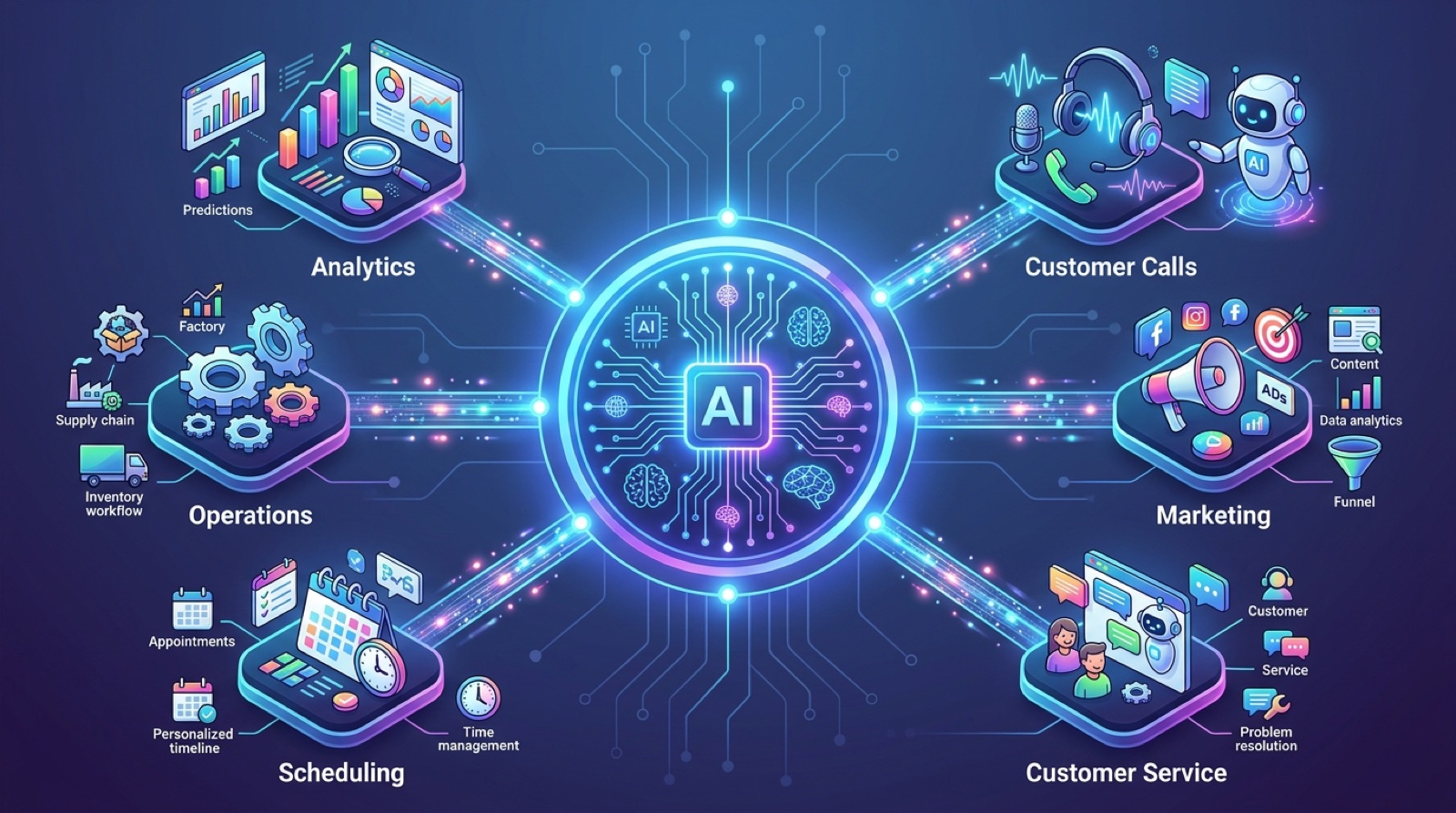
A 2026 personal injury firm intake workflow. AI voice agent screens callers, captures facts, screens for jurisdiction and statute of limitations, and routes only qualified cases to the on call attorney.
By Victor Smushkevich, CEO of Tested Media
Why personal injury firms need AI in 2026
Personal injury is the most expensive vertical in legal marketing in 2026. Cost per click on Google Ads for terms like “car accident lawyer,” “truck accident attorney,” and “slip and fall” routinely runs $100 to $400. The cost of a signed case is $1,500 to $8,000 in marketing spend depending on the practice area. A typical PI firm with $5 million in annual revenue is spending $300,000 to $800,000 a year on lead generation.
The biggest leak in the funnel is intake. PI leads are time sensitive. A caller who gets put on hold or sent to voicemail is calling the next firm on the search results page within 30 seconds. Industry studies show that PI firms answering inside 30 seconds sign cases at 4x to 8x the rate of firms answering at 5 minutes. The fix is not more intake staff. The fix is AI that picks up at midnight on a Sunday after a Saturday night DUI accident. See the broader AI for small business playbook and the AI for law firms deep dive for the full legal context.
The five highest leverage AI use cases for personal injury firms
These are the use cases producing real ROI in PI firms through April 2026.
1. Intake voice agent for new case screening
The killer use case. A modern AI voice agent answers every call 24 hours a day, asks the caller what happened, captures the facts, screens for jurisdiction and statute of limitations, and either schedules a call with an attorney or politely declines cases the firm cannot help with. This single deployment captures the 30 to 50 percent of inbound calls that previously went to voicemail.
2. Speed to lead callback on form fills
Form fills from Meta and Google ads need instant callback. Speed to lead AI calls form fillers within 60 seconds, qualifies them, and books a consult. PI firms using speed to lead typically double or triple their consult rate on paid leads.
3. Case screening and intake automation
AI tools automate the long form intake questionnaire that PI firms typically run. Caller answers conversational questions through a chatbot, the AI pre populates the case file, and the attorney walks into a consult with a complete file.
4. Document review and discovery
AI tools like Harvey, Casetext CoCounsel, and Spellbook read thousands of pages of medical records, police reports, and discovery in minutes. What used to take a paralegal 40 hours now takes 2 hours of review on an AI generated summary.
5. Marketing and content for high intent PI queries
GPT 5.4 and Claude Opus 4.6 produce content for accident type pages, state specific PI pages, and FAQ pages that rank for long tail PI queries. Combined with AI SEO and AI marketing, a firm can rank for terms like “Florida car accident attorney” or “rideshare accident lawyer.”

Diagram of PI intake call flow showing AI voice agent screening for case type and jurisdiction
The PI intake flow that captures the cases most firms currently lose to voicemail at 11 PM after a Friday night accident.
AI voice agents are the killer use case for PI firms
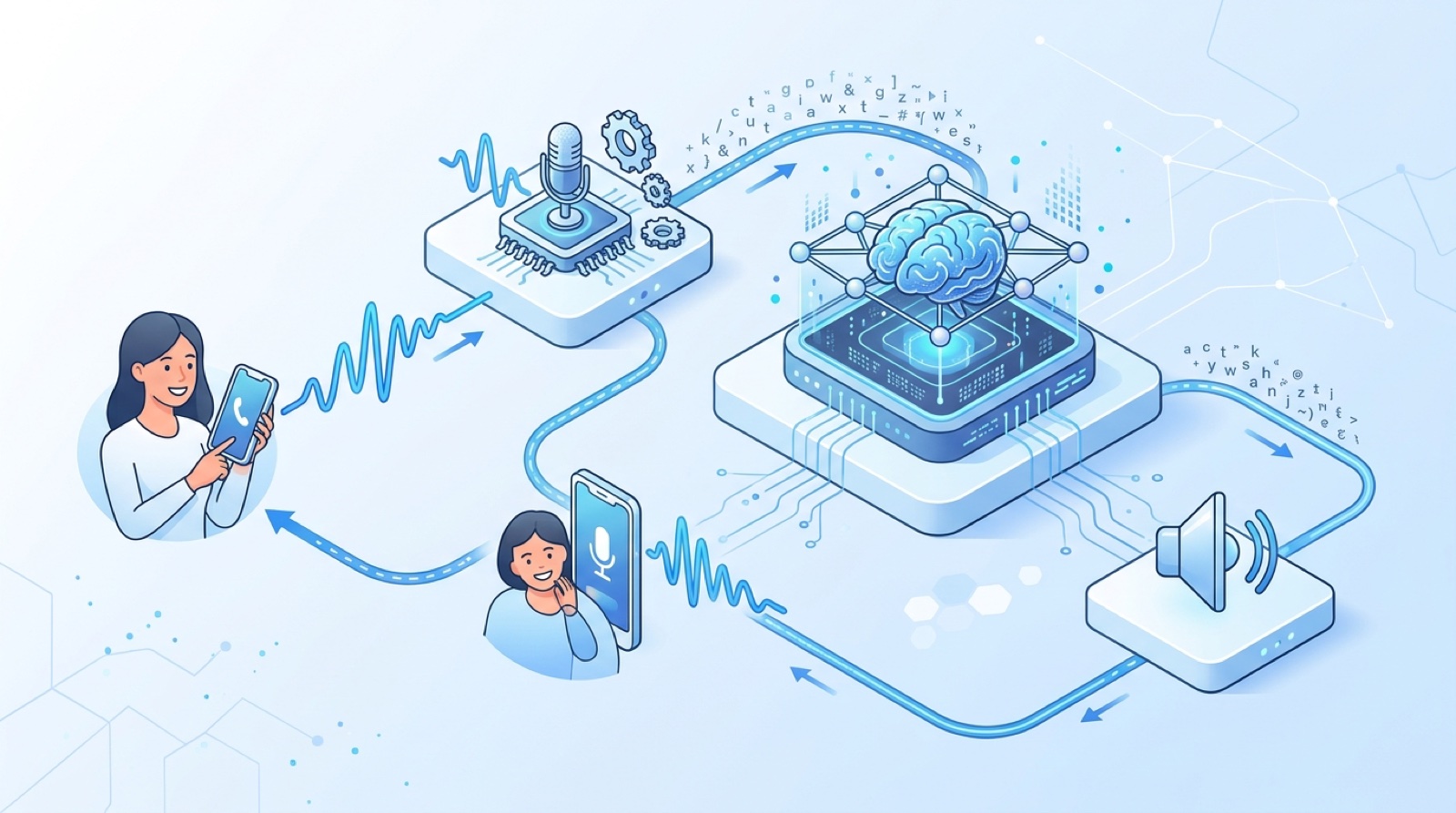
Of all the PI law firm AI tools, the voice agent is the one that pays for itself in the first week.
A signed PI case is worth $25,000 to $100,000 in attorney fees depending on case type and severity. If your firm answers 6 out of 10 calls and 25 percent of inbound calls become signed cases, you are leaving 24 percent of new case revenue on the table from missed calls alone. At even 50 calls a month inbound, that is 3 to 5 lost signed cases a month worth $75,000 to $500,000 in attorney fees.
A voice agent that picks up all 50 calls captures every miss, screens for case type and jurisdiction, and routes only qualified cases to the human attorney. Most PI firms see a 30 to 50 percent lift in signed cases within 30 days. See AI receptionist and missed call text back.
Want a bar compliant AI intake voice agent for your PI firm in 48 hours? CallSetter AI builds PI specific voice agents with case type screening, jurisdiction logic, and case management integration. Live by Friday.
AI tools to consider for personal injury firms
After 12+ PI firm deployments since early 2025, here is the stack that produces the most ROI.
Phone and intake. Custom AI voice agent on Retell or Vapi for inbound calls. Add speed to lead for form fill callback.
Case management. Litify, Filevine, MyCase, Clio, or PracticePanther. The voice agent must write directly to the matter and assign to the right attorney.
Document and medical review. Casetext CoCounsel, Harvey, or Spellbook for reviewing medical records and police reports.
Marketing and content. AI content generation for accident type pages, AI customer service chatbot for the website.
Reviews. Birdeye, Podium, or Weave for review collection.
Compliance for personal injury firm AI
PI firms operate under strict bar rules and state law. Compliance is not optional.
Unauthorized practice of law. AI cannot give legal advice. The intake voice agent can capture facts and screen, but it cannot tell a caller “you have a case worth $100,000.” The script must explicitly forbid legal opinions, settlement estimates, and case predictions.
Confidentiality. Client communications with AI must be protected by confidentiality. Use platforms with signed BAAs and confidentiality agreements. Avoid free consumer AI tools for any client work.
Disclosure. Some state bars require disclosure when AI is involved in client work. Florida, California, and New York have all issued opinions on AI use. Check your jurisdiction.
Solicitation rules. PI firms have strict rules about direct solicitation. AI outbound calling to crash victims pulled from accident reports is generally prohibited and could result in disbarment.
Recording and consent. Two party consent states require disclosure that calls are recorded. The AI voice agent opening line should handle this.
Conflict checks. Intake AI must integrate with the firm’s conflict checking system before any commitments to a new client.
Real ROI math from 2026 PI firm deployments

These are median results across PI firms we have benchmarked through April 2026.
Inbound call answer rate. 64 percent before AI to 99 percent after.
Lead to consult booking rate. 22 percent before AI to 41 percent after.
Cost per signed case. $1,650 before AI to $920 after on the same lead spend.
Outstanding intake follow up. 28 percent recovered with AI follow up.
All in cost. $1,500 to $3,000 a month for the full stack.
Net lift on monthly signed cases. 35 to 60 percent for a typical PI firm. ROI inside 30 days.
Implementation playbook for PI firms
Stage the rollout.
Week 1. Deploy the AI voice agent on the main intake line. Route after hours calls only at first. Tune the system prompt based on real intake calls. Train one associate to review every transcript daily.
Weeks 2 to 4. Expand voice agent to all hours. Layer in conflict checking integration and case management sync. Add speed to lead callback on form fills.
Month 2. Deploy AI document review for active matters. Start with one matter to validate the workflow before rolling out.
Month 3+. Add AI generated content for accident type pages. Roll out automated review collection. Expand to a website chatbot.
By day 90 the firm is signing 35 to 60 percent more cases per month with no additional intake staff.

ROI dashboard showing PI firm signed cases and intake conversion rate before and after AI
Median PI firm results from 12+ deployments through April 2026. Voice agent alone usually pays for itself in week one.
Common mistakes PI firms make with AI
Routing AI calls to a Google Sheet that the intake team has to manually enter into Litify. Kills the ROI.
Letting the voice agent give legal advice. The script must explicitly forbid legal opinions, settlement estimates, and case predictions. Capture facts only, route to the attorney for the actual analysis.
Not signing a confidentiality agreement with the AI vendor. Privilege issues waiting to happen.
Outbound AI calling to crash victims. This is solicitation and could result in disbarment.
Trying to deploy voice agent, document review, and content all in week one. Stage the rollout.
Frequently asked questions

Is AI for PI firms ethical under bar rules?
When deployed correctly with proper supervision and disclosure. The ABA and several state bars have issued opinions confirming AI tools are permissible when attorneys maintain competence and supervision.
Can the AI voice agent give legal advice?
No. The script must explicitly forbid any legal opinions, case value estimates, or settlement predictions. The AI captures facts, screens for case type and jurisdiction, and routes to a human attorney.
What about attorney client privilege?
Use AI vendors that sign confidentiality agreements and do not train on your client data. Avoid free consumer tools for any client matter.
Can the AI screen for statute of limitations?
Yes for basic SOL screening based on jurisdiction and accident date. Edge cases still go to the attorney.
How long does deployment take?
DIY takes 6 to 10 weeks for a PI firm because of compliance complexity. With a specialized agency like CallSetter AI, 48 hours.
What does it cost?
$1,500 to $3,000 a month all in for a typical PI firm. ROI is typically 5x to 10x within 90 days.
Can the AI handle Spanish speaking callers?
Yes. Most modern voice agent platforms support Spanish out of the box. For PI firms with high Spanish caller volume, this is a major advantage.
Does this work for solo PI practitioners?
Yes. Solo PI practitioners often see the highest ROI because they have no intake staff at all. The AI voice agent gives them a 24/7 intake team.
Related reading for personal injury firms
- AI for law firms – the broader law firm playbook
- ChatGPT for lawyers – prompt library and use cases
- AI for chiropractors – the PI referral side
- AI for insurance agents – similar regulated industry parallel
- AI voice agents – platform deep dive
- AI receptionist – the answering service guide
- Speed to lead – instant callback on form fills
- Missed call text back – SMS recovery
- AI for small business – the full automation stack
Ready to deploy? CallSetter AI. Bar compliant, integrated with your case management system, live by Friday.
This guide was researched and written by Victor Smushkevich, CEO of Tested Media. Last review: April 2026. Updated quarterly with the latest tools, pricing, and benchmark data from active PI firm deployments. Nothing in this article is legal advice. Consult your jurisdiction’s bar rules before deploying AI in client matters.
Related Reading