

TL;DR. Dental practices in 2026 are using AI for five things: appointment booking, intake automation, recall campaigns, marketing, and after hours call answering. The single highest leverage move is a HIPAA capable AI voice agent that answers every call 24 hours a day, books cleanings while the front desk is busy, and recalls every patient who is overdue. Most service businesses get more ROI from one well built AI voice agent than from any other AI investment. CallSetter AI.
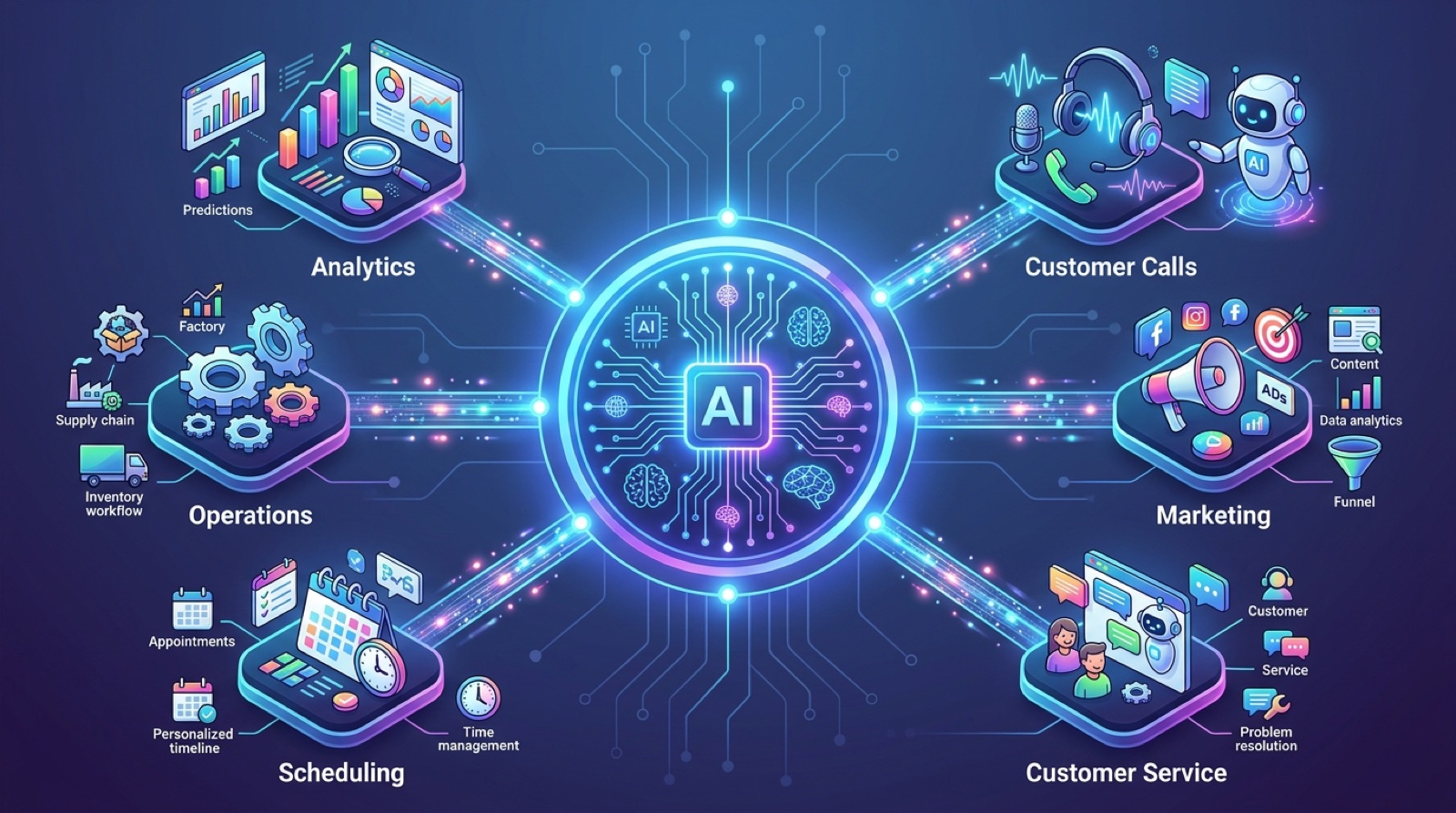
A 2026 dental practice front desk. The AI booked 11 appointments overnight while the team was off the clock.
By Victor Smushkevich, CEO of Tested Media
Dental practices share three characteristics that make them an ideal AI deployment target. First, the front desk team is overloaded. Studies of dental practice operations consistently show front desk staff spending 40 to 60 percent of their day on the phone with patients. Second, missed calls are catastrophic. A typical practice loses 25 to 40 percent of inbound calls during peak hours and 100 percent of after hours calls. Third, the value of a recovered call is huge. A new patient is worth $1,500 to $4,000 in lifetime production, and an overdue recall recovery is worth $200 to $800 in immediate revenue.
The practices winning in 2026 are not the ones with the best Yelp reviews. They are the ones whose phones never go unanswered because an AI voice agent is handling every call that the front desk cannot. See the broader AI for small business playbook for the full automation framework.
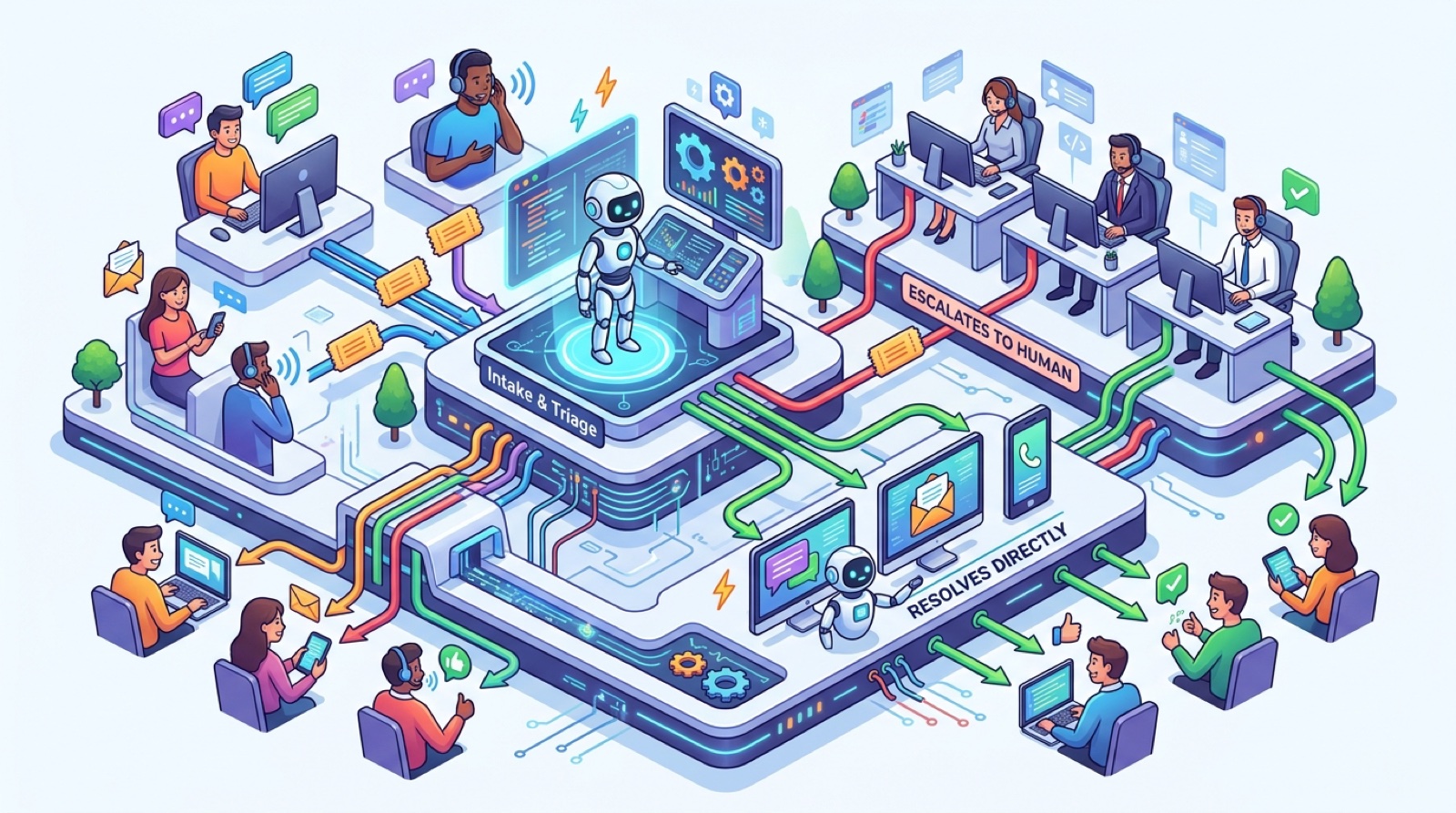
This is the killer use case. A HIPAA capable AI voice agent answers every inbound call after hours and during peak times when the front desk is on another line. It greets the patient, identifies whether they are new or existing, looks up their record in the practice management system if existing, books an appointment in the next available slot, and sends a confirmation text. The patient experience is faster than calling during business hours because there is no hold time.
For a typical practice missing 12 calls a day, recovering even half through AI adds 5 to 8 new patients a month. At $2,500 average lifetime value, that is $12,500 to $20,000 in new monthly production from one $500 a month tool.
Most practices have hundreds of patients overdue for cleanings. The front desk does not have time to call them all. An AI voice agent runs outbound recall campaigns, calls each overdue patient, identifies them, books their cleaning, and updates the practice management system. A typical recall campaign reactivates 15 to 25 percent of overdue patients, which is 3x what manual recall achieves.
When a new patient calls or fills out a web form, the AI captures all the intake information (insurance, chief complaint, prior dental history, medications) before the appointment. The hygienist walks into the room with everything already in the chart. Saves 10 to 15 minutes per new patient.
GPT 5.4 and Claude Opus 4.6 produce blog content for the practice website, service pages for procedures (Invisalign, implants, whitening), and FAQ pages. Combined with AI SEO, small practices can dominate local search for high value procedures. See our ChatGPT for dentists breakdown for prompts.
AI tools verify insurance coverage in real time before appointments. The front desk does not have to call the insurance company. The patient knows their copay before they sit in the chair.

The flow that captures the calls practices used to lose to voicemail at 7 PM.
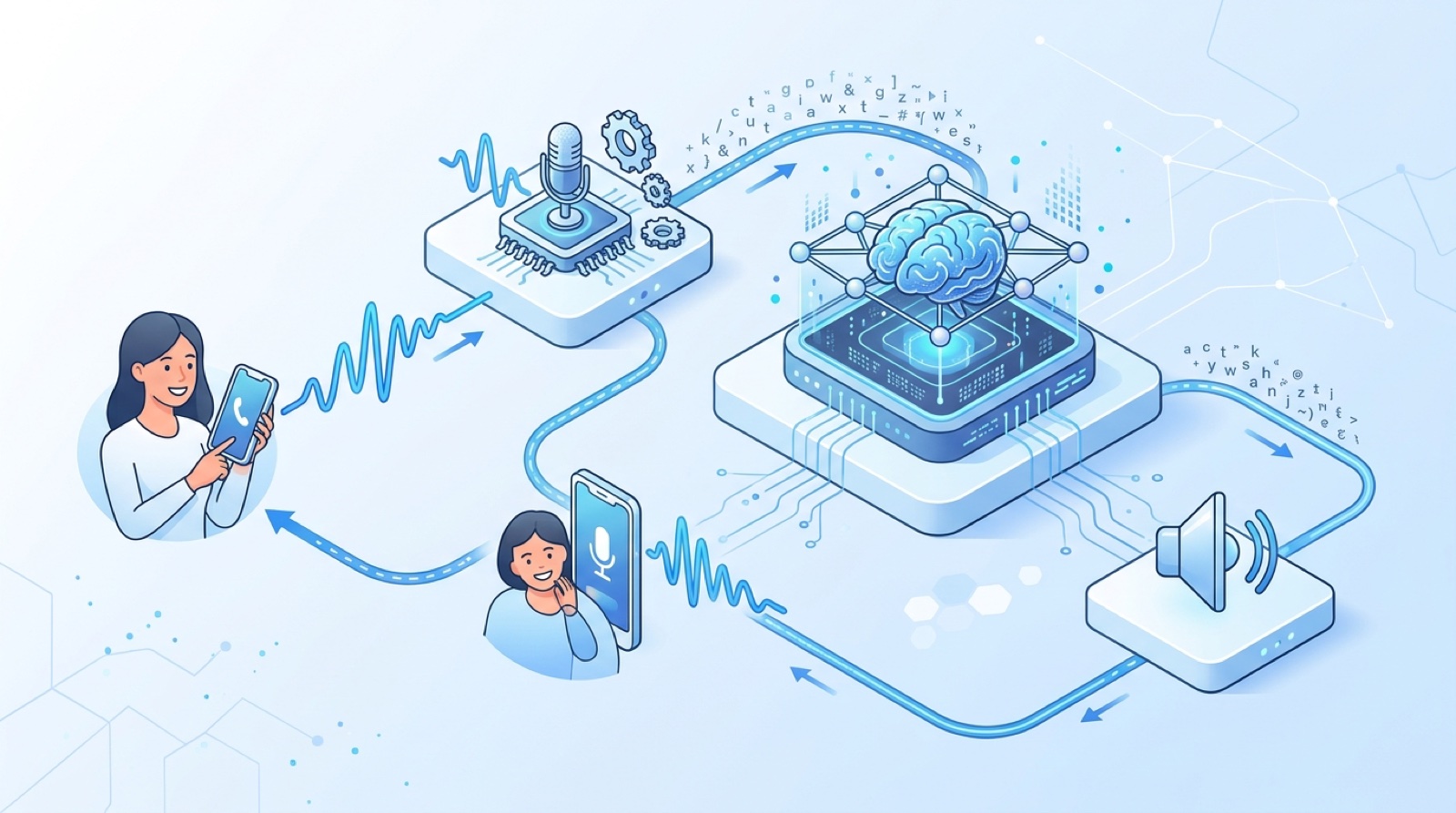
This is the part that matters most for dental practices. Get this wrong and you have a HIPAA violation that costs $50,000 to $1.5M in fines.
Use a HIPAA configured AI platform. Most major voice agent platforms (Retell, Vapi, Bland, Synthflow) offer HIPAA compliant configurations with signed BAAs. Free consumer tools like ChatGPT Plus do not. Use the right tool.
Sign a Business Associate Agreement (BAA). Before storing any PHI, sign a BAA with every vendor in the AI stack: voice agent platform, transcription service, LLM provider, and CRM.
Limit PHI storage. The AI voice agent should not store PHI longer than necessary. Configure auto deletion of call recordings and transcripts after 30 to 90 days unless required for compliance.
Train your staff. Front desk staff need to understand what PHI is and how the AI handles it. The AI should never read PHI to a caller who has not authenticated.
Audit the calls. Review a sample of AI calls weekly to ensure no PHI leaks and no inappropriate disclosures.
We do not give legal advice, but we have built HIPAA compliant voice agents for over 20 dental and medical practices. Get this right or do not deploy.
After 20+ dental practice deployments, this is the stack with the highest ROI.
Phone and front desk layer. A HIPAA configured AI voice agent on Retell, Vapi, or Bland. Pair with AI receptionist capabilities for after hours.
Practice management integration. Dentrix, Eaglesoft, Open Dental, or Curve Dental. The AI layer reads the schedule and writes new appointments in real time.
Recall and reactivation. AI appointment setter running outbound recall campaigns to overdue patients.
Marketing. AI content generation for blog and procedure pages. AI SEO for local rankings.
Customer service. AI customer service chat on the practice website for general inquiries.
Want this stack live in 48 hours? CallSetter AI builds HIPAA capable AI voice agents specifically for dental practices. We integrate with Dentrix, Eaglesoft, Open Dental, and Curve Dental out of the box.
These are median results across 20+ practices through April 2026.
Answered call rate. Increased from 68 percent (front desk only) to 99 percent (AI handled overflow and after hours).
New patient bookings per month. Increased from 14 to 23 on the same marketing spend.
Recall reactivation rate. Increased from 8 percent to 22 percent on overdue patient lists.
Front desk phone time. Dropped 40 percent, freeing staff for in person patient experience.
Monthly AI investment. $400 to $700 per practice for the full stack.
For a typical 1 to 3 doctor practice, the all in AI investment is roughly $600 a month and the measured production lift is $15,000 to $25,000 a month. ROI is 25x to 40x. This is the highest leverage technology investment most dental practices have made in the last decade.

Be honest about the limits. AI cannot diagnose a tooth. AI cannot read an X ray (though radiology AI is getting good). AI cannot reassure a nervous patient before a root canal. AI cannot handle a true dental emergency with bleeding and trauma. Anything that requires clinical judgment, hands on care, or human reassurance stays with the dental team.
What AI does is everything around those moments. Picking up the phone at 8 PM. Booking the cleaning while the front desk is checking out another patient. Calling 200 overdue patients in a week. Drafting the blog post about Invisalign. These are the tasks that drain the front desk and create the bottlenecks that hurt revenue. Hand them to AI.
Most practices try everything at once and overwhelm the team. Stage the rollout.
Week 1. Sign the BAA with the AI vendor. Deploy the voice agent on after hours only. Tune the system prompt based on the first week of real calls. Train the front desk on how AI handled calls show up in the practice management system.
Week 2. Expand to overflow during business hours. Any call the front desk cannot answer in 3 rings goes to AI. Monitor patient satisfaction.
Week 3. Launch the recall campaign on the most overdue patients (12+ months out). Use AI outbound calling to reactivate.
Week 4. Deploy AI insurance verification and new patient intake automation. Measure time saved per new patient.
By day 30 the practice is operating with 30 to 40 percent more capacity from the same front desk team.
Recall reactivation jumps from 8 percent to 22 percent when AI handles outbound calling.
Is AI for dentists HIPAA compliant?
Only if deployed correctly with a HIPAA configured platform, signed BAAs, and proper PHI handling. Most major voice agent platforms support HIPAA. Free consumer tools do not.
Will the AI sound like a robot to my patients?
In 2026, no. Modern voice models from ElevenLabs and Cartesia sound natural enough that most patients cannot tell on calls under 4 minutes.
Can the AI book appointments in Dentrix or Open Dental?
Yes. All major dental practice management systems have API or integration support. The AI reads availability and writes appointments in real time.
What about emergency calls in the middle of the night?
The AI screens for emergencies (severe pain, bleeding, trauma) and immediately texts or calls the on call dentist. Non emergencies get scheduled normally.
How long does deployment take?
DIY on Retell or Vapi takes 6 to 10 weeks for a dental practice because of HIPAA and PMS integration complexity. With a specialized agency, 48 hours.
What does it cost for a small practice?
$400 to $700 a month for the full stack. ROI is typically 20x to 40x within 90 days based on captured new patients and recalls.
Can the AI handle Spanish speaking patients?
Yes. Most platforms support Spanish and several other languages out of the box.
Will this replace my front desk staff?
No, but it changes what they do. Front desk team spends less time on the phone and more time on in person patient experience, treatment plan presentation, and case acceptance. Most practices keep the same headcount and grow production.
Ready to deploy? CallSetter AI. Integrated with your practice management system, BAA signed, live by Friday.
This guide was researched and written by Victor Smushkevich, CEO of Tested Media. Last review: April 2026. Updated quarterly with the latest tools and benchmark data from active dental client deployments. Nothing in this article is legal or medical advice.
Talk with one of our SEO specialists today and see how we can supercharge your marketing campaigns!